The detail, gathered in one place
These answers used to be separate short posts. They live here now, so this page is the one place to read on the subject.
AirPods 5 Teardown: Apple Finally Makes the Batteries Removable
What the teardown found
iFixit's teardown of the AirPods 5, covered by MacRumors and Cult of Mac this week, surfaced a genuinely rare piece of good news: the batteries inside the earbuds are removable. That is a first for the AirPods line, which has been the poster child for unrepairable hardware since it launched.
Why this matters
The battery is always the first component to die in true wireless earbuds. Rechargeable cells lose capacity with every cycle, and once they fall below a useful runtime, the product is done. In every previous AirPods generation, the batteries were glued in place so thoroughly that removing one meant destroying the earbud. Owners had exactly two options: pay Apple's out-of-warranty replacement fee for a whole new unit, or throw the pair away.
The case is still a fight
The teardown coverage is blunt on one point: the charging case remains a teardown nightmare. It is still glued and fused to the point that opening it without damage is a serious challenge. So the repairability story is half-fixed. The part most likely to wear out first, the earbud battery, is now serviceable. The part that holds the bigger battery and takes the pocket abuse is not.
The honest take
This is progress, not a transformation. Repairable does not mean easy, and Apple has not published a self-service battery program for AirPods the way it has for iPhone and Mac. But the direction matters: the AirPods 5 is the first generation where the hardware design treats the battery as a replaceable part rather than a structural component. For a product category built on planned disposal, that is the headline.
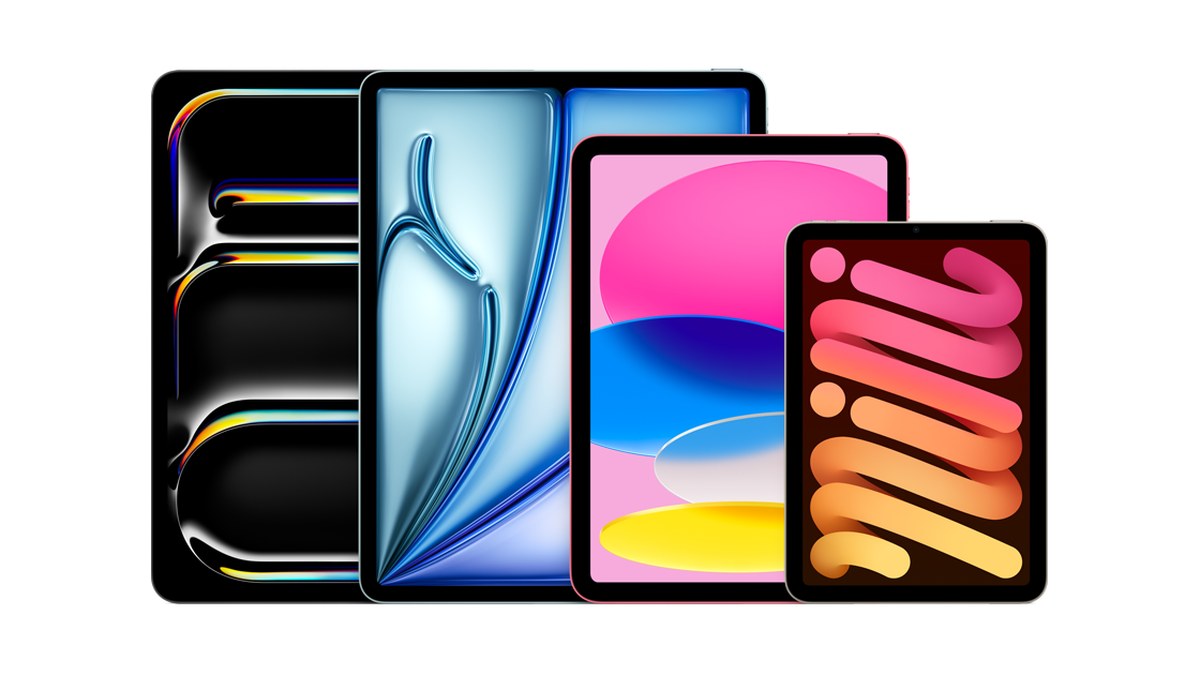
Buying an iPad, HomePod, or Apple TV? Wait Until October 13
Why waiting four days matters
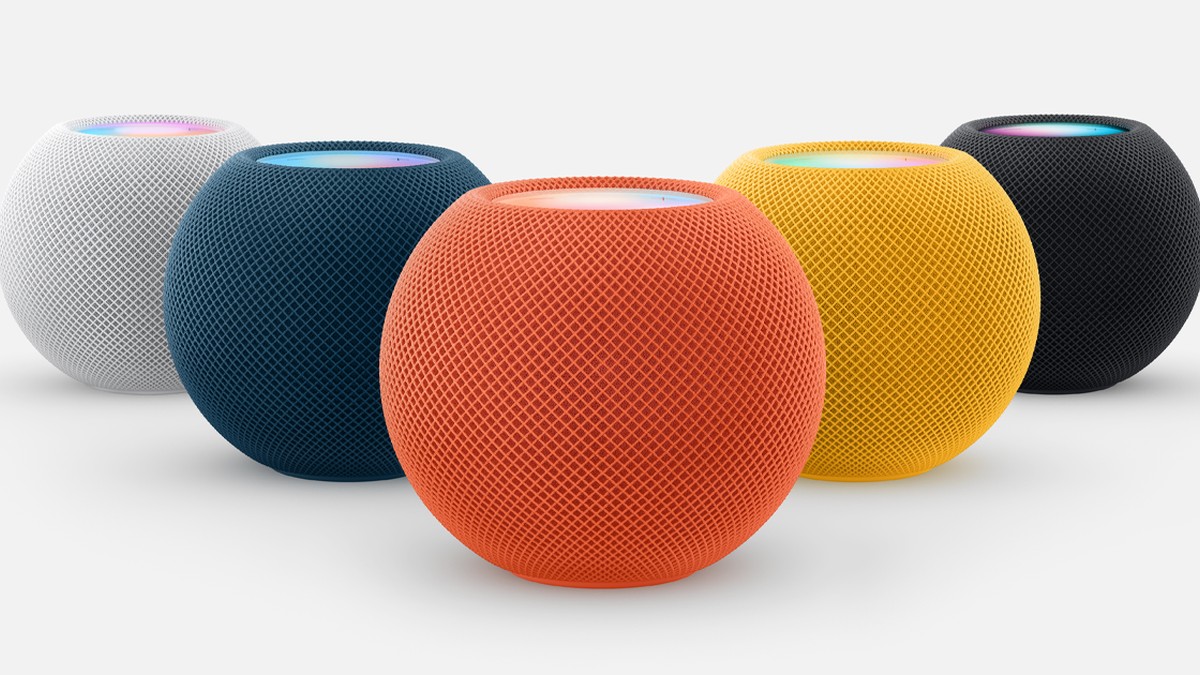
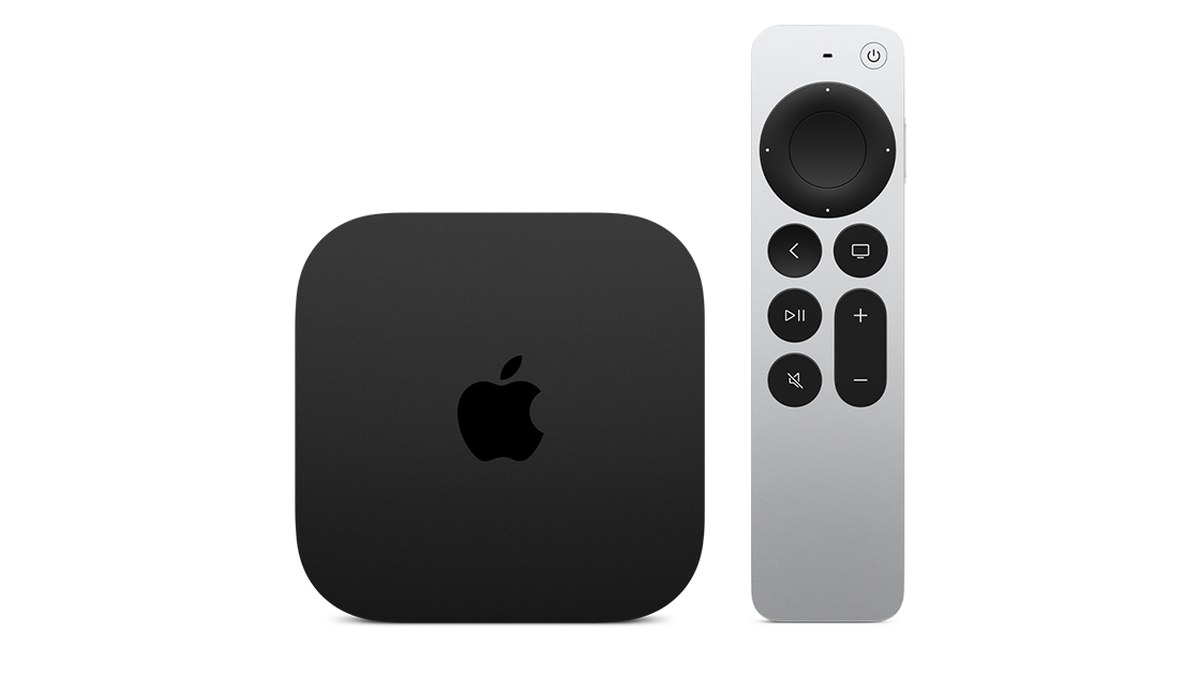
Apple has officially announced a product launch for Tuesday, October 13, teased with the tagline "Welcome home." It is expected to focus on smart home: the long-rumored home hub, a new Apple TV 4K, and a refreshed HomePod mini, with some members of the media invited to an Apple Experience event in Tribeca that morning. When a launch is days away and the products are known, buying current hardware this week is mostly just donating money to the clearance aisle.
What not to buy right now
If you are in the market for an Apple TV or a HomePod mini, stop. Both are being replaced within the week, and current models will be yesterday's hardware at unchanged or discounted prices by the 14th. If you need a full-size iPad and the rumored OLED iPad mini does not materialize, the current mini 7 remains a fine buy, but the OLED version has been the upgrade everyone has waited years for, so four days of patience is cheap insurance.
Buying after the launch
Once the new lineup is official, the older stock becomes the discount tier, and Apple's own refurbished store is the first place it lands. The smart play: watch the October 13 announcements, then decide whether the new generation or the discounted old one fits your actual needs. For a smart home starter, the new hub at a possible 350 USD changes the math on whole-home Siri; for an iPad buyer, it may be as simple as waiting one more week.
iPad mini 8 Rumors: What to Expect Before Apple's October Launch
The short version
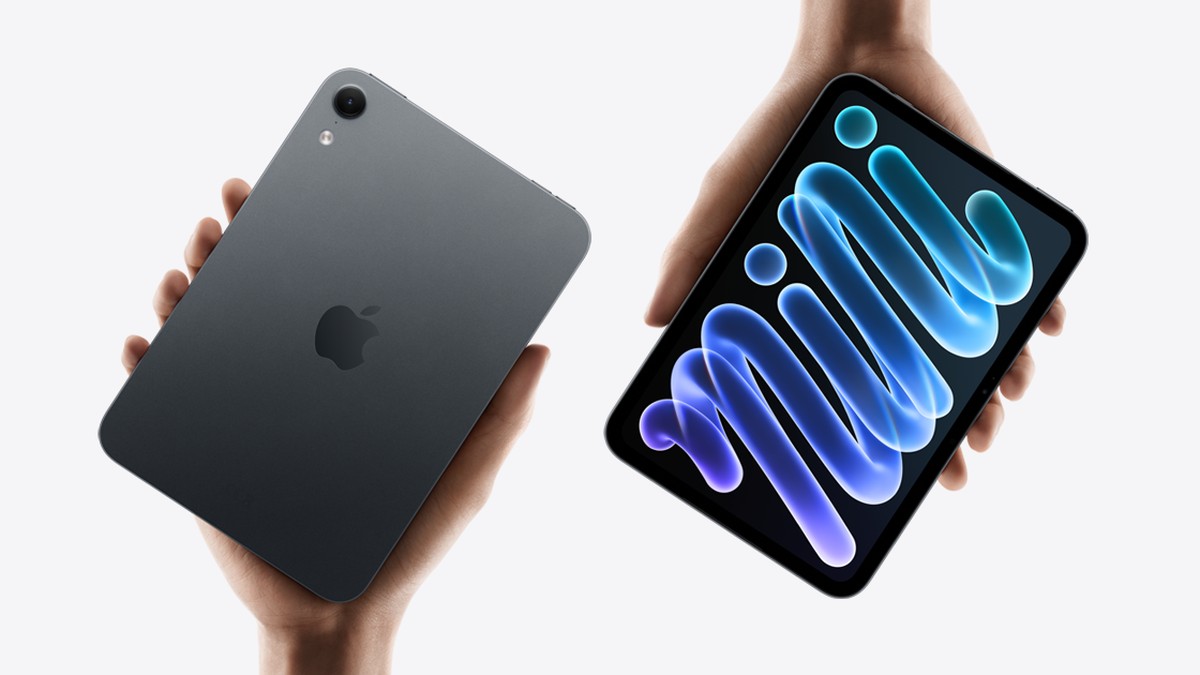
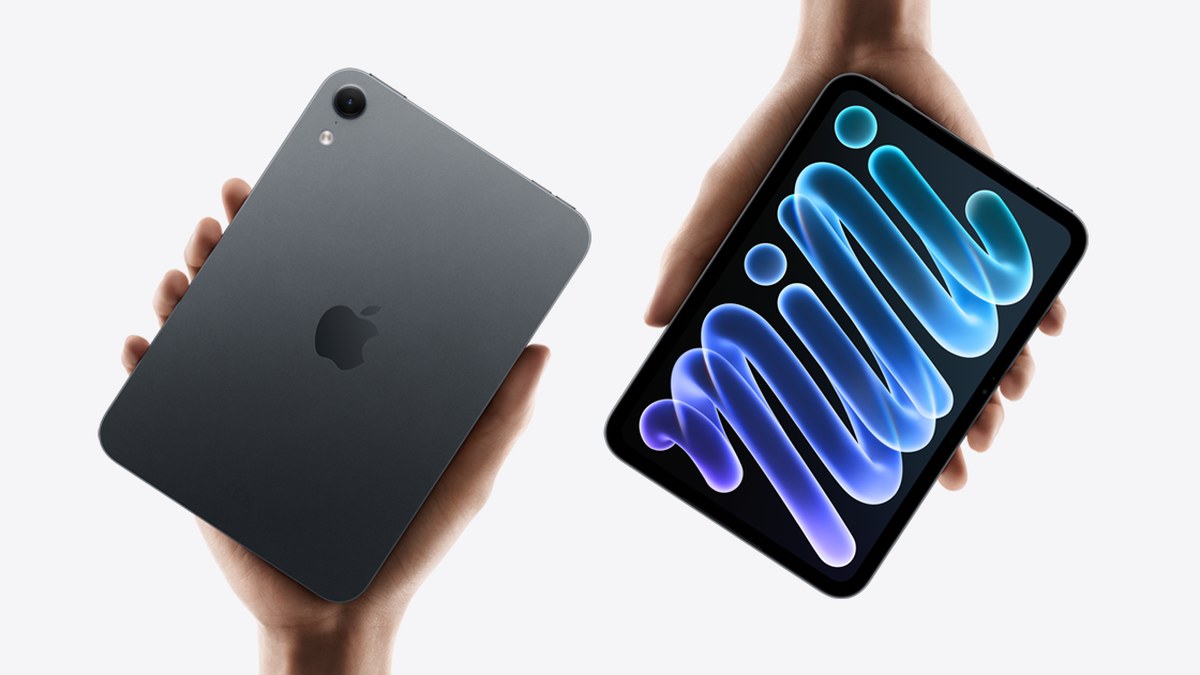
Apple is expected to announce the iPad mini 8 in October 2026, closing out a busy month that starts with the October 13 smart home event. Bloomberg's Mark Gurman and MacRumors sources both point to the new mini arriving this month, and a string of leaks has already sketched out what it will bring: the first OLED display on a mini, a big chip jump, and the first water-resistance rating in the line's history.
The ten features being reported
A MacRumors exclusive leak pointed to the A20 Pro, the same chip family expected in the iPhone 18 Pro. A separate code leak found in August suggested the A19 Pro instead, the chip that debuted in the iPhone Air and iPhone 17 Pro. Either way, it is a serious jump over the A17 Pro in the current iPad mini 7.
Should you wait?
If you use a mini as a lightweight editing console, drone controller screen, or travel tablet, the OLED panel and chip bump are worth the short wait. The launch window is weeks away, not months. If you need a cheap secondary device today, the entry iPad at 329 USD and the current mini at 599 USD are both discounted regularly, and Apple's refurbished store has started listing the A17 Pro mini at a lower price.
Frequently asked questions
October 2026, per Bloomberg reporting. An exact date has not been announced.
New OLED MacBook Pro: Should You Buy Now or Wait a Few Weeks?
What is coming
Apple is planning a second wave of October product launches, and the headliners are new 14-inch and 16-inch MacBook Pro models. Per MacRumors' own reporting and Bloomberg's Mark Gurman, the new laptops bring the biggest MacBook Pro redesign in years.
The reported changes
Also expected this month: a new base 14-inch MacBook Pro with an M6 chip, iMac models with the M6 chip, and the long-awaited OLED iPad mini. Separately, Apple has already confirmed a high-end Mac Studio configuration with the M5 Ultra chip and 512GB of RAM for late October, which is official.
The case for buying now
If you need a machine today, the current M4-generation MacBook Pro is not suddenly a bad computer. It edits 10-bit camera footage without complaint, and entry M4 models are showing up discounted as retailers clear stock before the launch. Nobody finishing a project on a current machine is missing out.
The case for waiting
Three weeks is a short wait for a generational panel change. OLED plus a thinner body plus M5 Pro and M5 Max performance is the biggest single jump the MacBook Pro line has seen in years. And if you travel with your machine the way riders and creators do, the possible built-in cellular would end a decade of tethering to phones and hotspots. The one honest caution: first-generation OLED panels sometimes come with first-generation OLED problems, and a redesign resets the accessory market, from cases to docks that fit the port layout.
Will Apple’s New EU App Rules Change iPhone App Prices?
The short answer
Apple announced revised business terms for European Union app distribution taking effect October 1, 2026. The headline change is a 5% Core Technology Commission for apps distributed outside the App Store, alongside revised commissions and broader alternative distribution options.
What to check
That does not automatically mean every iPhone app becomes cheaper. Developers still have hosting, payment processing, support, fraud, tax, and compliance costs. Some may pass savings to customers, some may keep prices unchanged, and some may use the flexibility to offer a web or marketplace option.
A practical buyer rule
The direct legal changes are European, but the business consequences can travel. Developers often design pricing and payment systems globally, and Apple’s response may influence future rules elsewhere. Canadian users should watch whether their favourite services change subscription links or payment options—not assume that a European policy instantly applies here.
Before you decide
The useful question is whether competition creates a better deal without making purchasing more confusing. Apple’s own terms, each developer’s choice, and local consumer protections will matter more than the headline commission percentage.
As an Amazon Associate I earn from qualifying purchases. Some links on this site are affiliate links.