Cameras and Action Cams: Tested on the Road
A camera review only means something when the camera has been used the way you will use it. These are tested mounted on a motorcycle, carried in the cold, and compared against what the manufacturer claims.
The detail, gathered in one place
These answers used to be separate short posts. They live here now, so this page is the one place to read on the subject.
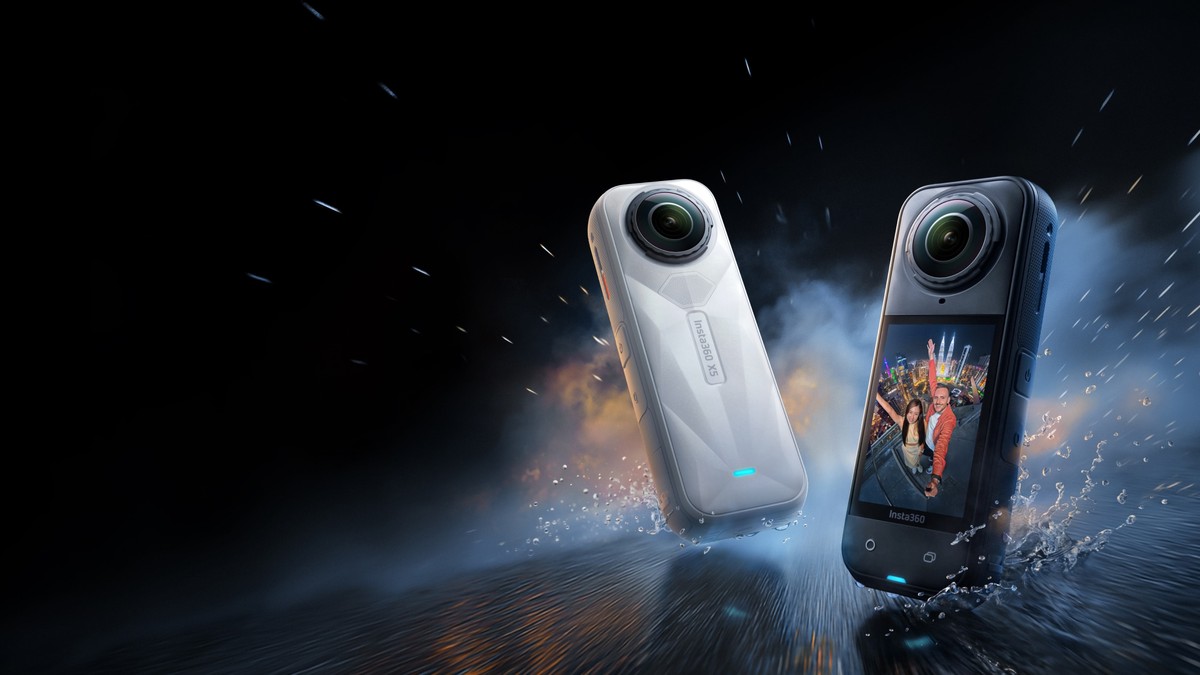
Can Motorcycle Vibration Damage an Action Camera? What Riders Should Know
1. The mount matters more than the camera
A flexible, poorly supported mount can turn engine pulses and road impacts into a constant shake. Use a short, rigid mounting arm, check the fasteners before every ride, and avoid stacking multiple adapters. A helmet or chest mount often exposes the camera to less high-frequency vibration than a long handlebar extension.
2. Electronic stabilization has limits
Stabilization can smooth ordinary road chatter, but it cannot repair motion blur, a loose mount, or a lens that is physically vibrating. Test the setup on a short ride before trusting it for a multi-day tour. I would rather discover a bad mount 20 minutes from home than halfway across Newfoundland.
3. Protect the lens and connections
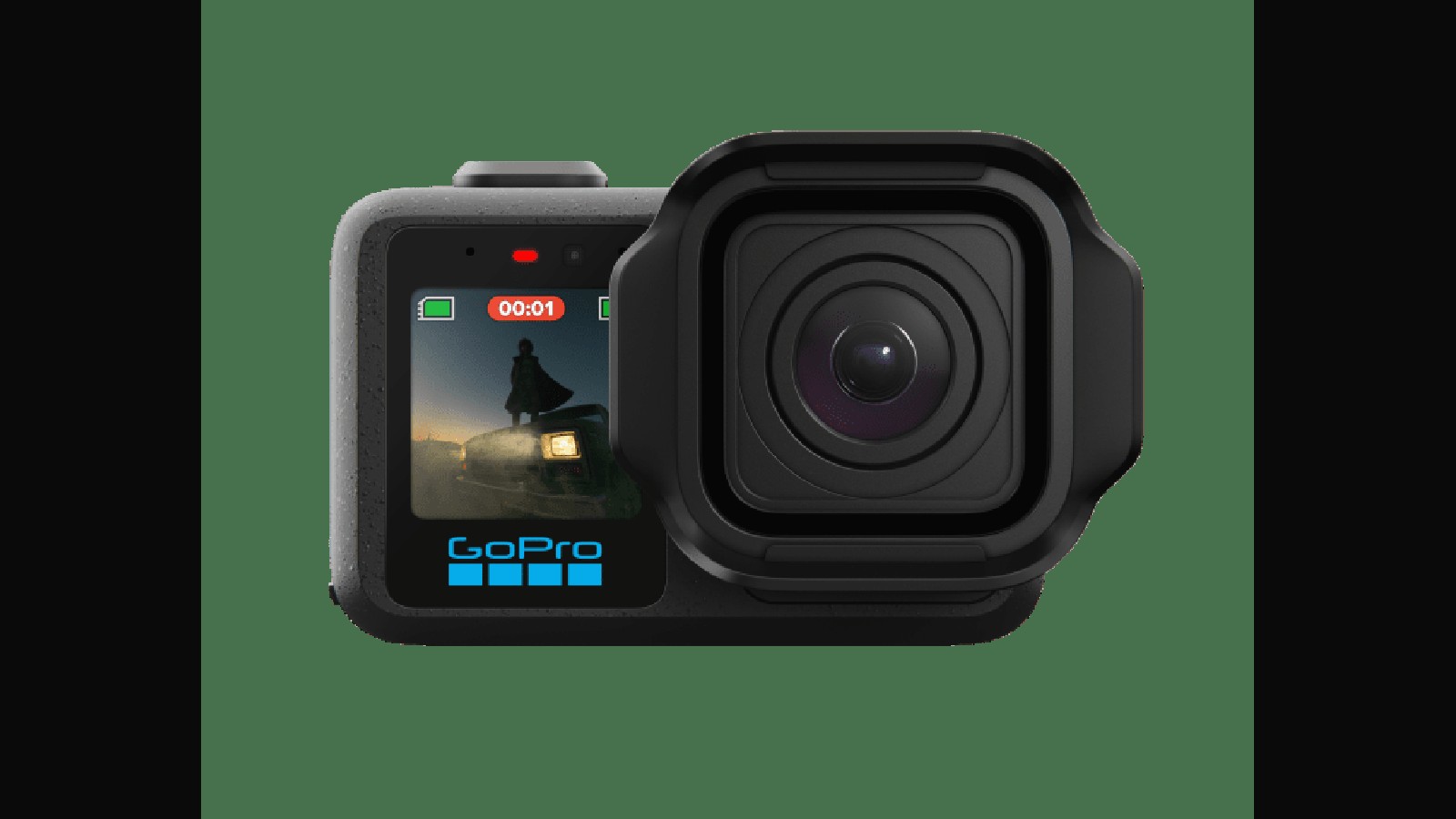
Keep the lens protector clean and replace it when scratched. USB-C doors and microphone adapters deserve attention after rain, dust, and repeated handling. A small tether is cheap insurance, especially when the camera is mounted outside a fairing.
4. How I would set up a touring camera
For a touring motorcycle, I prefer one camera facing forward, one spare battery, and a simple mount that can be removed without tools. Record shorter clips when possible, check the first clip at each fuel stop, and carry a second camera if the footage is business-critical.
What Should Motorcycle Creators Look for in an Action Camera in 2026?
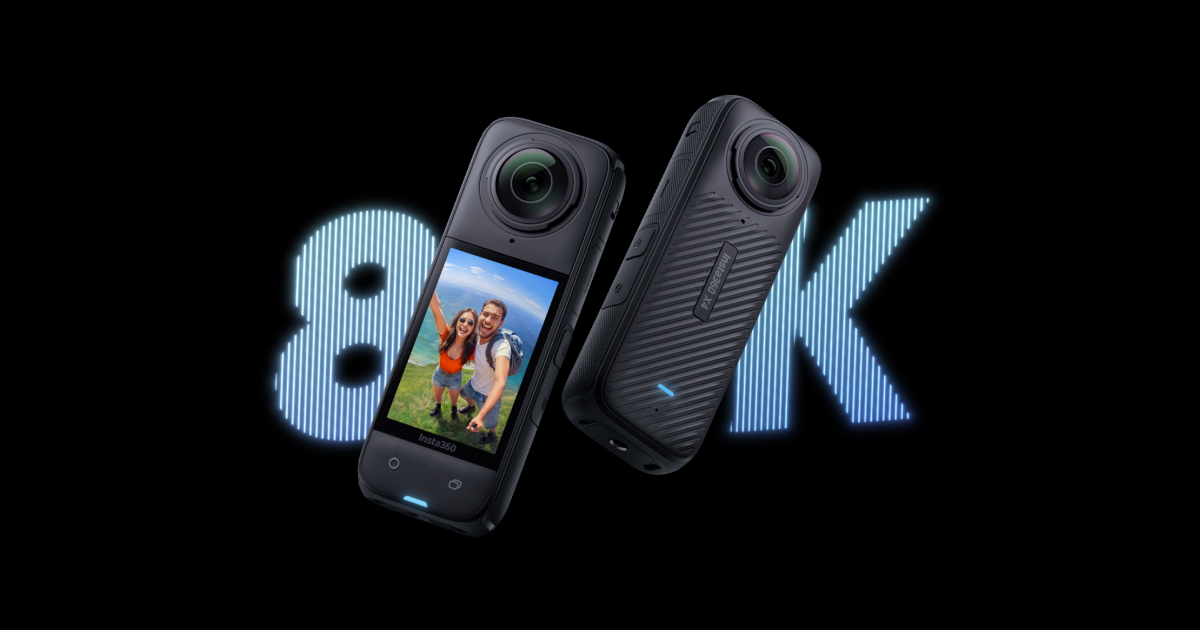
What Matters More Than 8K
Look for strong stabilization, a useful field of view, a lens that can handle changing light, and an app or workflow that does not turn every ride into an editing project. Higher resolution helps when cropping or reframing, but only after the basics are reliable.
Stabilization and Mounting on a Motorcycle
Helmet, chin, chest, and bike-mounted footage each show a different part of the ride. The best camera is the one you can mount securely without blocking vents, controls, or your line of sight. Test the mount on rough pavement before trusting it on a full-day trip.
Wind Noise and Audio
Wind is the problem riders notice fastest. A camera with good microphones still benefits from a proper wind muff, a sheltered mount, or a separate voice recording. If your goal is commentary, plan the audio system before buying the camera.
Battery Life, Heat, and Storage
Long rides expose weak battery and heat management quickly. Carry more than one battery, leave room for spare microSD cards, and test the camera in direct sun. For multi-day touring, the charging plan matters as much as the camera body.
As an Amazon Associate I earn from qualifying purchases. Some links on this site are affiliate links.