Best Budget Action Cameras Under $100 in 2026
Photo by Reinis Brūzītis via Pexels
Action cameras have become the standard for content creators, vloggers, and adventure seekers. But the market has fragmented — and while everyone knows about GoPro, the budget space is packed with capable alternatives that cost a fraction of the price.
Table of Contents
The question isn't whether a sub-$100 action camera can work anymore. The question is: which one actually delivers without gimmicks or dead-weight features?
Why Budget Action Cameras Matter in 2026
A few years ago, cheap action cameras meant grainy footage, laggy software, and build quality you wouldn't trust. That's changed. Manufacturing improvements and competition have pushed mid-range cameras to become genuinely capable — and many deliver 4K video, decent stabilization, and waterproofing at prices that make sense for casual creators or first-time buyers.
The catch? You need to know what to look for. Megapixel counts and marketing claims mean nothing if the actual output is soft, oversaturated, or unstable.
The Real Contenders
DJI Osmo Action 4
If you can find this on sale or used, it's probably the best sub-$100 action camera right now. Native 4K at 60fps, solid low-light performance, and a stabilization algorithm that puts consumer-grade cameras to shame. The downside? DJI discontinued it in favor of the Action 5 Pro, so availability is dropping. Check used listings and B-stock retailers.
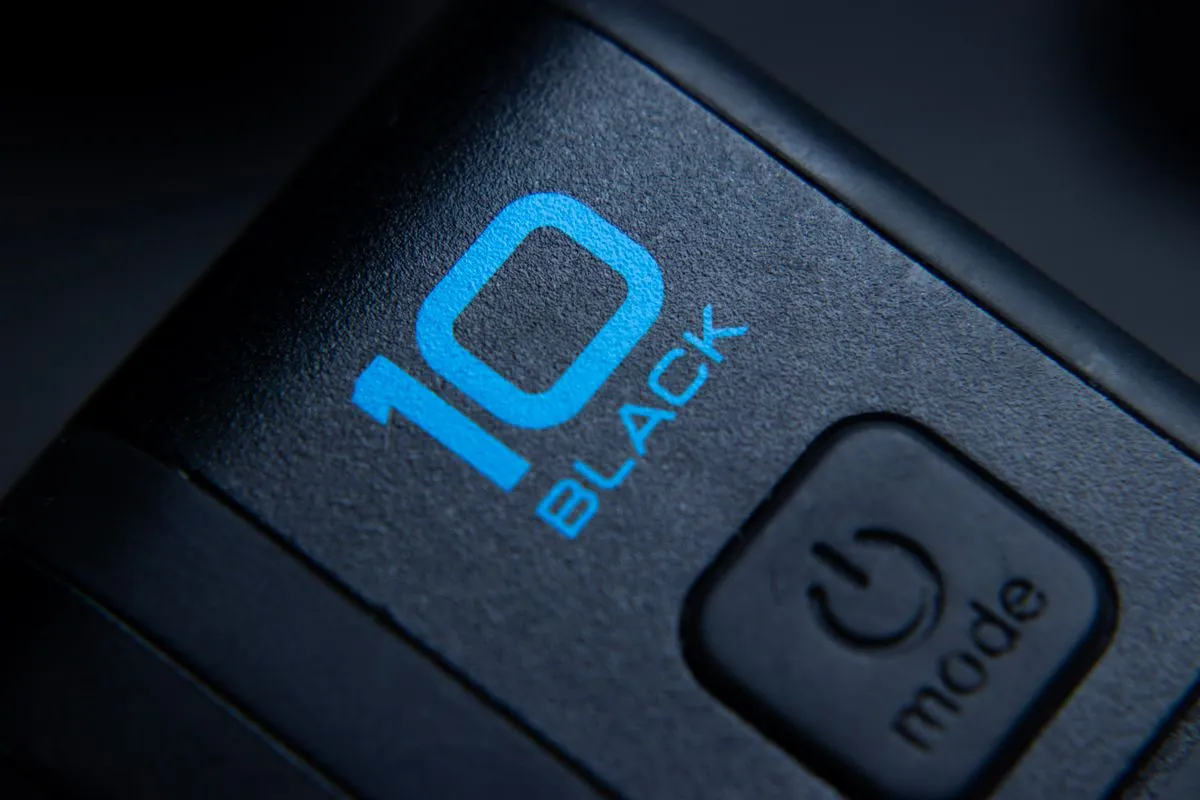
GoPro Hero 11 Black (older gen)
Similar story — older GoPro models hit the sub-$100 mark as retailers clear inventory. The Hero 11 is legitimately great for video stability and color science. If you're patient and watch sales, you can grab one. Just avoid ultra-budget "Hero Mini" variants; they're often gimped in ways that matter.
Budget Alternatives: Akaso, Campark, VIOFO
The no-name brands get better every year. Chinese manufacturers like Akaso and Campark have stopped cutting corners on sensor size and have moved focus to actual stability and color accuracy. VIOFO specializes in dashcams but their action camera lineup is underrated.
The real difference? Build quality and software. Cheaper models often have plastic casings that wear fast, and firmware updates stop after a year. If durability matters to you, avoid the cheapest tiers.
What About Insta360?
Insta360 doesn't really play in the sub-$100 space — their entry-level cameras start around $300 — but they deserve a mention because they offer something genuinely different from traditional action cameras.
Insta360 GO 3S
The GO 3S is tiny — roughly the size of your thumb at just 39g — and shoots proper 4K video with Insta360's FlowState stabilization. It's not trying to compete with GoPro on specs; it's competing on versatility. The magnetic mounting system means you can clip it to your helmet, chest, glasses, or anywhere else in seconds. Street price sits around $319 for the 64GB version.
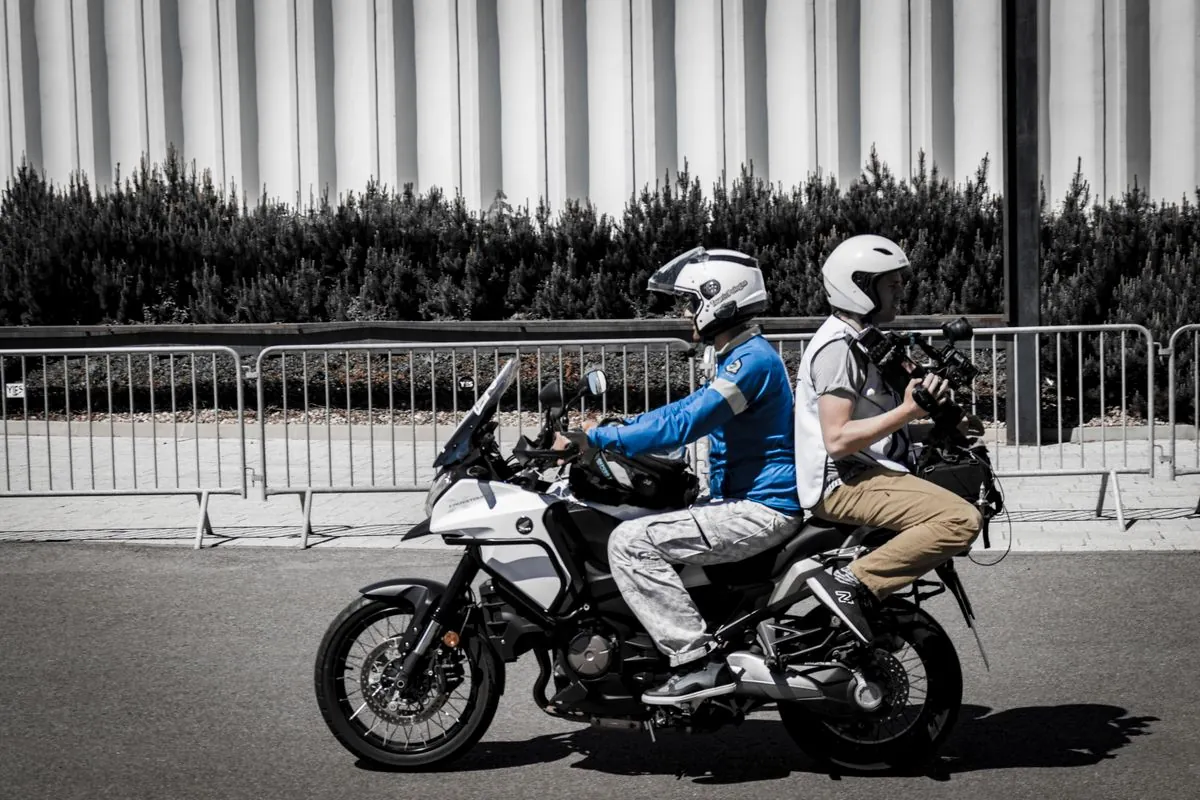
It's not a budget camera, but if you're serious about POV content — especially on a motorcycle or bike — the GO 3S is worth knowing about. The stabilization handles vibration better than most action cameras at any price, and the size means you can mount it places a bulky GoPro simply can't go. Greg has used it for helmet POV footage on his Indian Pursuit and the results speak for themselves.
What to Actually Look For
- Sensor size: 1/2" or larger. Smaller sensors (1/2.7") struggle in anything but bright daylight.
- Stabilization: Either optical or algorithms that work in-camera. Electronic stabilization alone is a red flag.
- Thermal handling: Budget cameras overheat easily. Check if you can run 4K for 30+ minutes without throttling.
- Audio inputs: Many cheap cameras don't support external mics — and internal audio is usually poor.
- Battery life: Real-world, not marketing specs. Budget cameras often get half their claimed runtime.
My Take
If you need something right now, Akaso and Campark have legitimately improved — just don't expect them to match GoPro's reliability or DJI's software ecosystem. They're cameras, not gear ecosystems.
And if you're buying for casual use — POV footage while riding, vlogging, travel docs — a budget camera is genuinely fine. You're not making Netflix originals. Stabilization and color accuracy matter way more than sensor resolution.
The budget action camera market in 2026 isn't what it was five years ago. Good options exist at every price point. Just know your priorities, watch for sales on trusted brands, and avoid the temptation to buy the cheapest option because it has "4K" in the title.
Frequently Asked Questions
What is the best budget action camera in 2026?
The Insta360 Go3S and DJI Action 5 Pro are the top picks for riders and creators wanting quality without flagship pricing. For truly budget options, the Akaso Brave 8 and SJCAM SJ11 Active offer solid value.
What action camera should I buy for motorcycle riding?
The Insta360 Go3S for helmet mounting — it's tiny, magnetic, and stabilizes well. The Insta360 Ace Pro 2 for handlebar or chest mounting if you want better low-light performance.
Are cheap action cameras good enough for YouTube?
For 1080p YouTube content, yes. Budget action cameras produce perfectly usable footage for most channels. Step up to mid-range if you want 4K, good audio, or consistent low-light performance.