Home / Tech Blog / Budget Thermal Imaging Cameras 2026
Budget Thermal Imaging Cameras 2026 — What Actually Works
July 28, 2026 · 8 min read
Thermal imaging used to be a $2,000+ professional tool. In 2026, you can get a functional thermal camera for under $200 that clips to your phone. Search interest in budget thermal cameras has surged as prices dropped — FLIR, HIKMICRO, and Thermal Master have democratized a technology that was exclusively industrial just a few years ago.
But "budget thermal camera" covers a wide range of quality. Here's what actually works, what's worth buying, and what to skip.
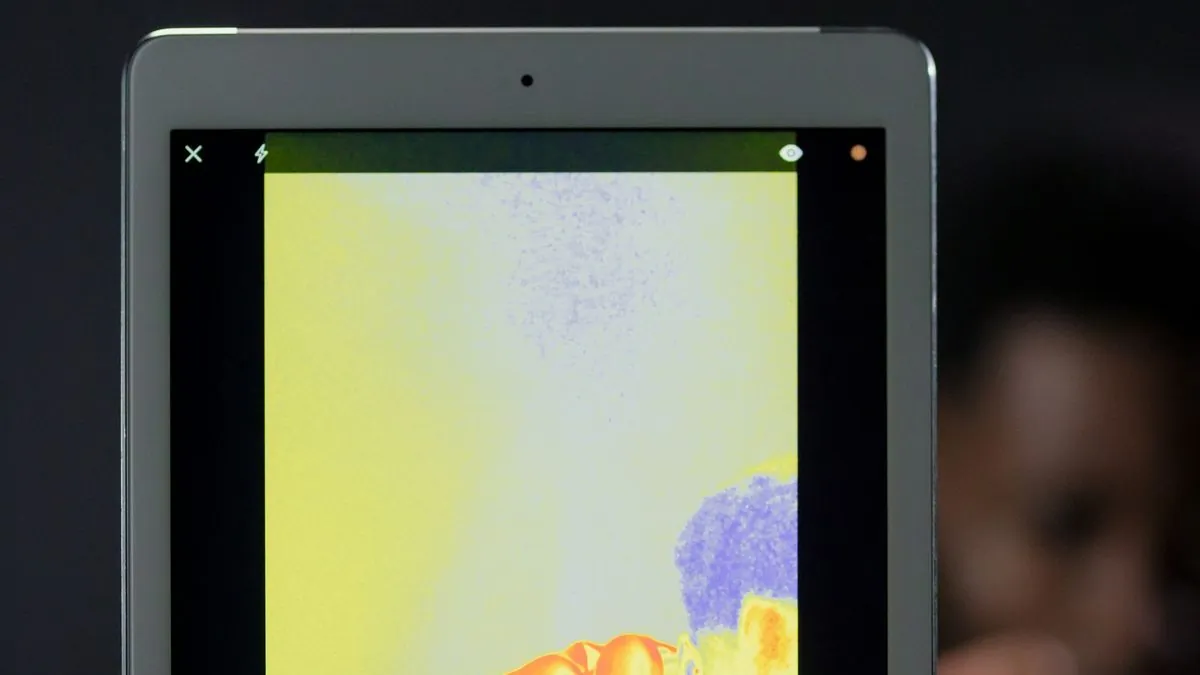
Thermal cameras detect infrared radiation (heat) and convert it to a visible image. Every object emits infrared radiation proportional to its temperature. The camera's sensor detects these temperature differences and renders them as colors — typically blue/purple for cold, red/yellow for hot.
The key spec is thermal resolution — the number of pixels in the thermal sensor. This determines how much detail you can see:
256x192 (49,152 pixels): Budget tier. Good for detecting large temperature differences. Can't see fine details.
384x288 (110,592 pixels): Mid-range. Better detail for home inspection and diagnostics.
640x480 (307,200 pixels): Professional tier. Fine detail, smaller temperature differences visible.
Most budget cameras also use MSX (Multi-Spectral Dynamic Imaging) — overlaying the thermal image with a visible-light image to add edge detail. This makes thermal images much more useful — you can see what you're looking at, not just a blob of color.
Phone-Based Thermal Cameras
Thermal Master P2 Pro
$199 USD / ~$270 CAD (Android only)
256x192 resolution, 25Hz frame rate. Clips to the USB-C port of an Android phone. This is the best value thermal camera available in 2026 — it matches cameras costing 2-3x more in hardware specs. The app is simpler than FLIR's but functional. For Android users on a budget, this is the pick.
FLIR ONE Pro
$400 USD / ~$540 CAD (iOS and Android)
160x120 thermal resolution (lower than P2 Pro) but with FLIR's MSX technology for much better image clarity. The app is excellent — FLIR's software is the industry standard. If you're on iPhone, this is your main option. The lower raw resolution is compensated by superior image processing.
HIKMICRO Pocket
$250-300 USD / ~$340-400 CAD
256x192 resolution, 25Hz. Standalone pocket-sized thermal camera with built-in screen. Doesn't need a phone — useful if you don't want to drain your phone battery or if you need thermal imaging in wet conditions where you wouldn't want your phone out. Good build quality from Hikvision's consumer brand.
Standalone Budget Cameras
FLIR C5
$650 USD / ~$880 CAD
160x120 thermal resolution with MSX. Compact handheld with a 4-inch screen. The C5 is the entry point for professional-grade thermal imaging. It includes FLIR's cloud reporting software, making it useful for home inspectors and trades. Overkill for casual use, but the best option if you need reliability and durability.
Thermal Master P3
$450 USD / ~$610 CAD
384x288 resolution — the highest thermal resolution in the sub-$500 category. Focusable lens for close-up macro work. This is the camera that bridges the gap between budget and professional. The higher resolution means you can see smaller temperature differences and finer details.
Full Comparison Table
Camera
Resolution
Price (USD)
Platform
Best For
Thermal Master P2 Pro
256x192
$199
Android phone
Best budget value
FLIR ONE Pro
160x120 + MSX
$400
iOS/Android
iPhone users
HIKMICRO Pocket
256x192
$250-300
Standalone
Wet/outdoor use
Thermal Master P3
384x288
$450
Standalone
Best image quality under $500
FLIR C5
160x120 + MSX
$650
Standalone
Professional entry point
Real-World Uses Beyond the Gimmick
Thermal cameras are genuinely useful tools, not just toys. Here are practical applications:
Home insulation: Scan walls and ceilings for cold spots — missing insulation, air leaks around windows, gaps in weatherstripping. A $200 camera can find problems that cost hundreds in heating bills.
Electrical: Overloaded breakers, loose connections, and failing components show up as hot spots before they fail. Scan your breaker panel and outlets.
Plumbing: Hot water pipe leaks inside walls, radiant floor heating issues, blocked pipes.
Automotive/motorcycle: Brake drag (one rotor hotter than the others), exhaust leaks, cooling system blockages, bearing failures. Useful for motorcycle maintenance — scan brake rotors after a ride to check for uneven drag.
Content creation: Thermal overlay on video for tech reviews — showing heat output of devices, comparing cooling performance, visual data for viewers.
For content creators: A thermal camera adds a visual data layer to reviews that text and regular video can't provide. Showing actual heat output from a laptop, a charging battery, or a motorcycle brake rotor is compelling content. The Thermal Master P2 Pro at $199 is the cheapest entry point for adding thermal to your content toolkit.
The budget thermal camera market in 2026 is genuinely good. You no longer need to spend $2,000 for useful thermal imaging — $200-450 gets you a camera that solves real problems. The key is matching the camera to your use case: phone-based for occasional use, standalone for professional or outdoor use, and higher resolution for inspection work.
Affiliate Disclosure: As an Amazon Associate I earn from qualifying purchases. If you buy through these links, I may earn a small commission at no extra cost to you.