Best Smart Rings 2026 — Oura, RingConn, Samsung Galaxy Ring Compared
July 28, 2026 · 8 min read
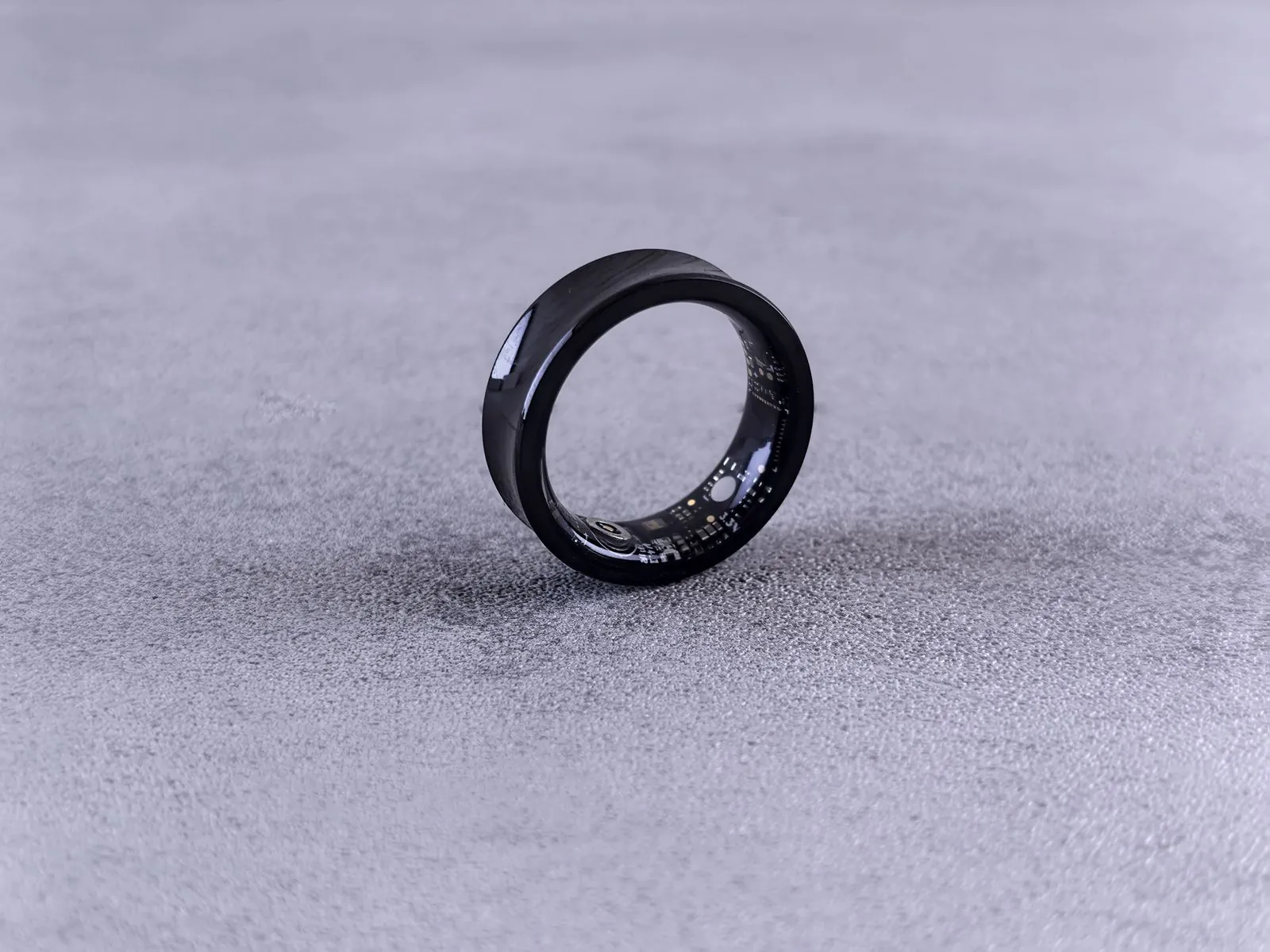
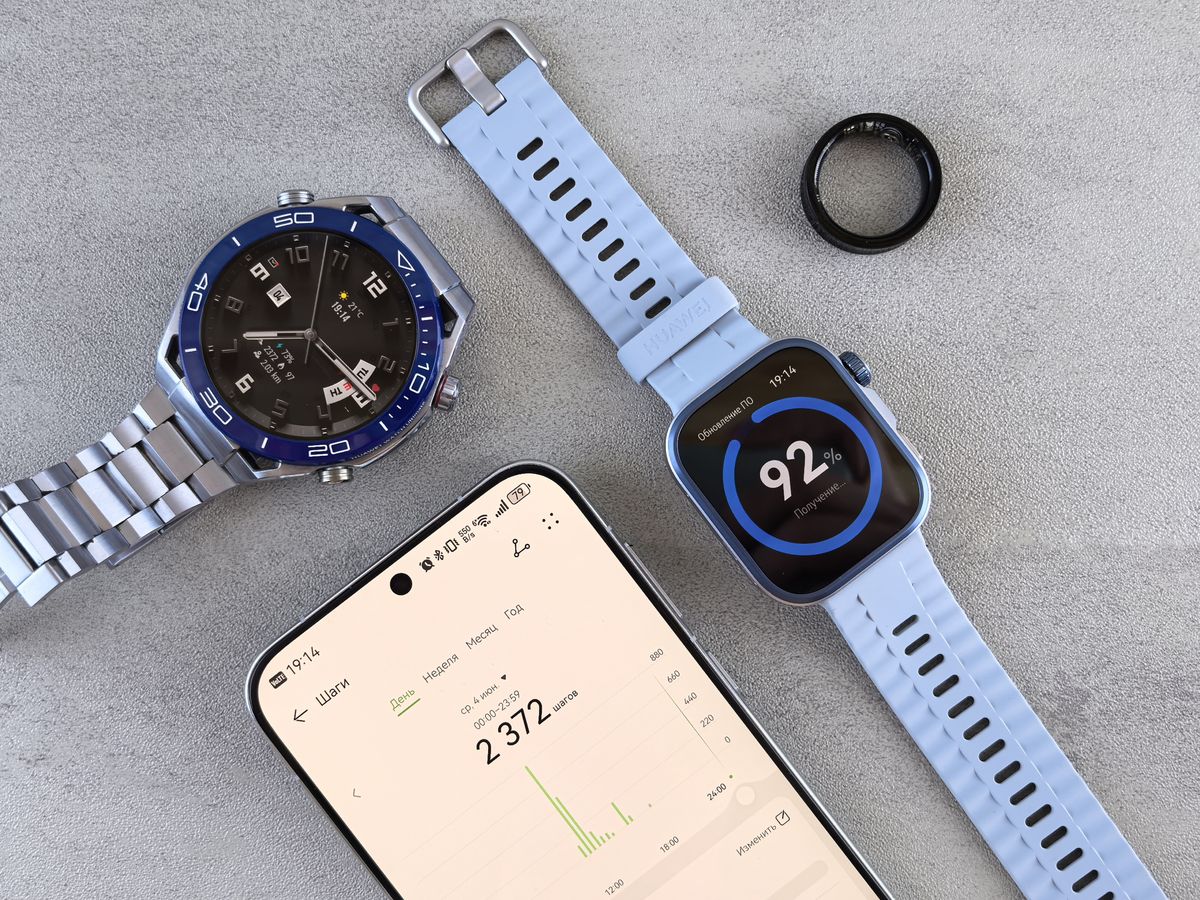
Smart rings are the fastest-growing wearable category in 2026, with searches up 320% year-over-year. The appeal is obvious — a ring weighs under 10g, lasts a week on a charge, and tracks your sleep without a glowing screen on your wrist. For people who find smartwatches too bulky or too attention-grabbing, rings offer the same health data in a much smaller package.
But the category has real differences between models. Here's how the top three — Oura Ring 4, RingConn Gen 2, and Samsung Galaxy Ring — actually compare.
The Oura Ring remains the most polished smart ring on the market. The fourth generation (released late 2025) improved sensor accuracy, added daytime stress tracking, and refined the titanium build. The app is genuinely excellent — the best health data presentation of any wearable, ring or watch.
What it tracks: Sleep stages (light/deep/REM), heart rate, HRV, body temperature, respiratory rate, activity, and stress. The "Readiness Score" each morning is the signature feature — a single number that tells you whether to push or recover.
Battery: 5-7 days. Charges in 1-2 hours via the included USB-C dock.
The subscription problem: The Oura Ring requires a $8-12 CAD ($6-9 USD) monthly subscription for full features. Without it, you only get basic sleep and activity data — no trends, no readiness score, no insights. Over two years, that's $200-290 CAD on top of the ring price. This is the single biggest complaint among Oura owners.
Bottom line: Best-in-class accuracy and app experience, but the subscription model makes it the most expensive option over time. Best for users who want the gold standard and don't mind paying for it.
RingConn Gen 2 — The Subscription-Free Challenger
RingConn Gen 2
$280-340 CAD ($200-250 USD), no subscription
RingConn's pitch is simple: Oura-level tracking without the monthly fee. The Gen 2 improved sensor accuracy significantly over the original and added AFC (adaptive frequency control) for better heart rate tracking during exercise.
What it tracks: Sleep stages, heart rate, HRV, SpO2, activity, and stress. The app is functional but not as polished as Oura's — data presentation is more clinical, with fewer actionable insights.
Battery: 7-10 days — the best battery life of any smart ring. This is a real advantage if you travel and don't want to carry a charger.
The accuracy question: Independent testing shows RingConn Gen 2 is within 5-8% of Oura for sleep stage accuracy and within 3-5 bpm for resting heart rate. It's not quite at Oura's level, but it's close enough that most users won't notice the difference.
Bottom line: Best value option. No subscription, longer battery, and tracking accuracy that's "good enough" for most users. Best for people who refuse to pay monthly for their own health data.
Samsung Galaxy Ring — The Ecosystem Play
Samsung Galaxy Ring
$450-500 CAD ($330-370 USD), no subscription
Samsung entered the ring space with a device tightly integrated into the Samsung Health ecosystem. If you already own a Galaxy phone, this is the most seamless option — setup takes 30 seconds and data flows directly into Samsung Health alongside your phone's step count.
What it tracks: Sleep stages, heart rate, HRV, skin temperature, snoring detection, and menstrual cycle tracking. Samsung's "Energy Score" is their version of Oura's Readiness Score.
Battery: 5-7 days. Charges via a small USB-C dock.
The ecosystem limitation: The Galaxy Ring only works with Samsung Galaxy phones. If you use an iPhone or a non-Samsung Android, you can't use this ring. This is a significant restriction that limits its appeal.
Unique features: The "double pinch" gesture control lets you dismiss alarms and control the camera remotely. It's a small feature, but surprisingly useful for taking group photos while traveling.
Bottom line: Best choice for Samsung Galaxy phone owners. No subscription, deep integration with Samsung Health, and the camera gesture is a nice bonus. Skip it entirely if you don't use a Galaxy phone.
Full Comparison Table
Feature
Oura Ring 4
RingConn Gen 2
Samsung Galaxy Ring
Price (CAD)
$450-550
$280-340
$450-500
Subscription
$8-12/month
None
None
Battery Life
5-7 days
7-10 days
5-7 days
Sleep Accuracy
Best in class
Very good (5-8% gap)
Very good
Heart Rate
Excellent
Good (3-5 bpm)
Very good
HRV Tracking
Yes
Yes
Yes
Temperature
Yes
SpO2 only
Yes
App Quality
Excellent
Functional
Good (Samsung Health)
Phone Required
Any smartphone
Any smartphone
Samsung Galaxy only
Water Resistance
100m
100m
100m
Sizes
6-13
5-13
5-13
Which Ring Is Right for You?
Buy Oura Ring 4 if: You want the best sleep tracking available, don't mind a subscription, and value app polish above all else. It's the gold standard.
Buy RingConn Gen 2 if: You want no subscription, the longest battery life, and good-enough accuracy at a lower price. Best overall value.
Buy Samsung Galaxy Ring if: You own a Samsung Galaxy phone and want everything in one ecosystem. The integration is seamless, and no subscription is a real advantage over Oura.
The smart ring category is still young — expect more competition in late 2026 with Apple rumored to be developing a ring of their own (unconfirmed). But the three options available today are all genuinely useful products, not gimmicks. The question isn't whether to try a smart ring — it's which one fits your phone, budget, and patience for subscriptions.
Affiliate Disclosure: As an Amazon Associate I earn from qualifying purchases. If you buy through these links, I may earn a small commission at no extra cost to you.