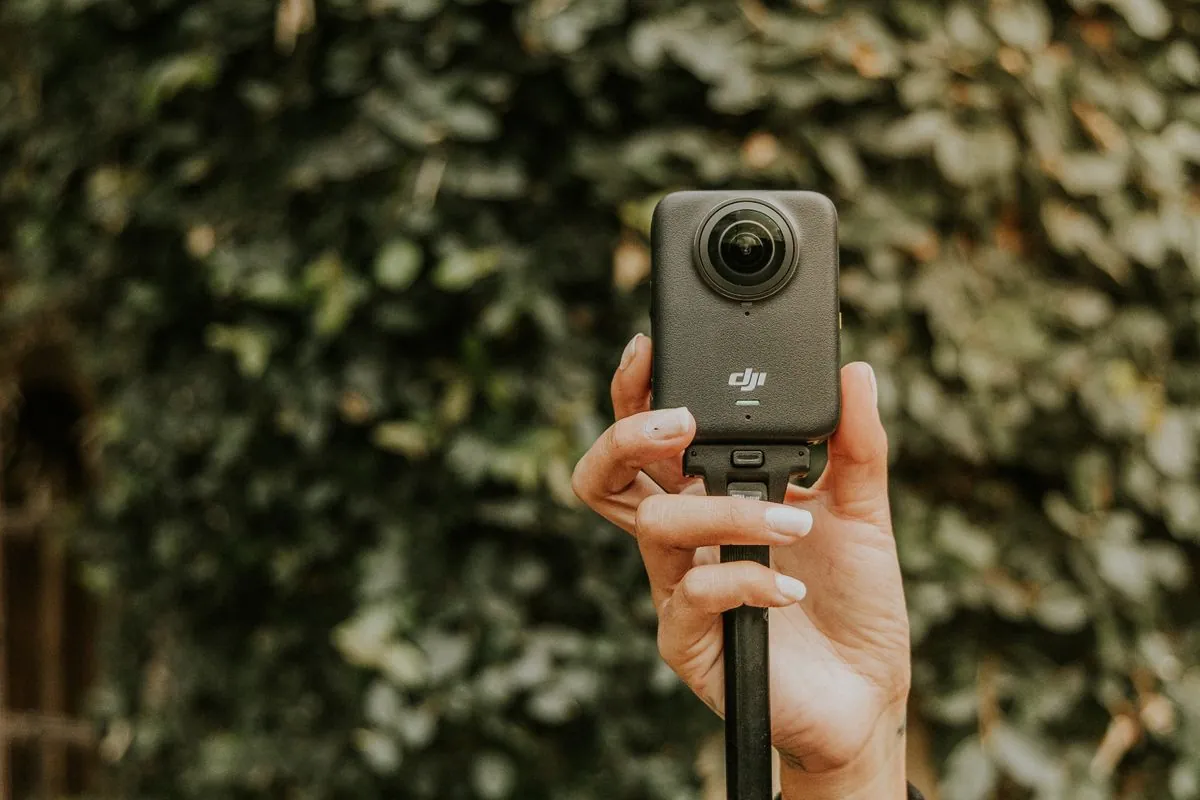
360 Action Cameras for Content Creators 2026 — 8K Stabilization Guide
360-degree cameras have evolved from novelty gadgets into essential content creation tools. Whether you're vlogging, documenting motorcycle rides, or building immersive travel content, modern 360 cameras deliver native 8K stabilization, invisible selfie stick effects, and AI-powered editing. This guide compares the top performers for 2026 and shows you which camera matches your workflow.
Why 360 Video Matters in 2026
Traditional single-lens footage locks viewers into one perspective. 360 content lets them explore the scene — pan, zoom, and frame after you've finished shooting. For motorcycle riders, travel vloggers, and adventure creators, that flexibility is a game-changer. Modern stabilization handles wind noise and vibration. AI-powered apps let you extract 4K standard footage from 8K 360 files, giving you flexibility in post.
Insta360 X5 — The Flagship 8K 360 Camera
The Insta360 X5 sets the current standard for 360 content creation. Twin 1/2-inch sensors deliver true 8K 360 video at 30fps, with 4K at 60fps for slow-motion work. FlowState stabilization handles road vibration and wind noise — critical for motorcycle mounting.
- 8K 360 native video
- 4K 60fps, 2K 120fps slow-motion
- 10-bit color and HDR capture
- 2.7" touchscreen
- 1.3-hour battery life
- Waterproof to 33ft (10m) without housing
- AI auto-framing in app (extract 4K rectilinear from 8K 360)
The X5 excels at detail and color accuracy. That 10-bit capture means your shadows and highlights retain tonal information even with aggressive color grading. The auto-framing feature in Insta360's app is genuinely useful — shoot once, frame multiple ways during edit. Wind noise is minimal thanks to the microphone design, though a windscreen is still recommended for highway speeds.
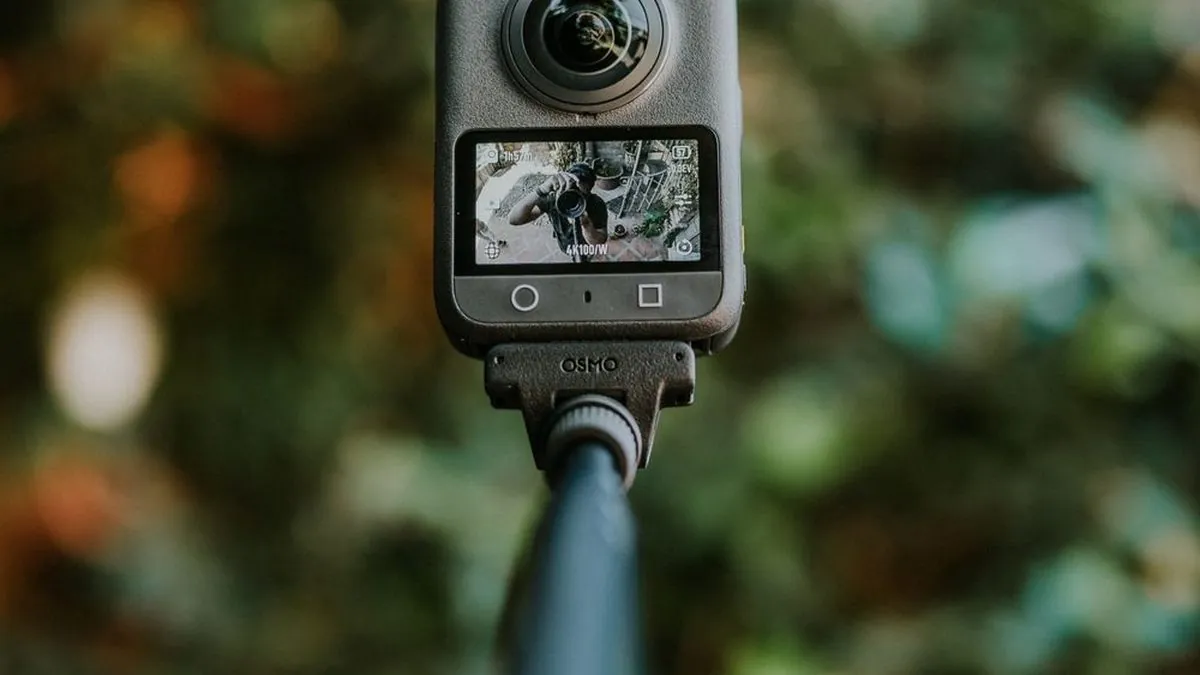
Insta360 Ace Pro 2 — The Compact Single-Lens Alternative
Not every creator wants dual sensors. The Insta360 Ace Pro 2 is a single-lens 4K camera that weighs just 299g (10.6 oz) and fits in a jacket pocket. It's designed for travelers who don't want to sacrifice portability for immersive video.
- 4K at 30fps
- Single 1/2-inch sensor
- FlowState stabilization
- 2.5" touchscreen
- 2.5-hour battery life
- Waterproof
- Lighter, more pocketable than X5
The Ace Pro 2 trades 8K for portability and battery life. For creators who travel constantly — flights, trains, quick city walks — this is the better choice. 4K is still plenty detailed for YouTube and social platforms. The longer battery is a real advantage if you're away from charging for a full day.
Workflow Comparison: Which Camera Fits Your Content?
Choose the X5 if: You're shooting cinematic travel vlogs, motorcycle POV content, or multi-hour sessions where 8K quality matters. You have reliable charging access. You want maximum flexibility in post-production reframing.
Choose the Ace Pro 2 if: You travel light, shoot shorter content (under 90 minutes per session), prioritize battery life, or mainly extract 4K rectilinear footage. You want something that fits in a camera bag without taking up space.
Technical Performance: Stabilization and Audio
Both cameras use Insta360's FlowState stabilization, which handles motorcycle vibration better than most action cameras. On a cruiser at highway speed, footage stays smooth without visible jello or rolling shutter. Audio quality is decent; wind noise increases above 55 mph (90 km/h), but the built-in mics capture dialogue clearly for vlogs.
If you're mounting on a helmet, external audio is still recommended. The Rode Wireless GO II pairs well with either camera and gives you crisp dialogue without post-processing artifacts.
Editing and AI Features
Insta360's app includes one-click auto-frame, which scans your 360 footage and suggests 4K crops for traditional video export. It's not perfect — sometimes it pans when you'd prefer static shots — but it saves massive time on longer clips. The app also handles social export (vertical for TikTok, square for Instagram Reels) automatically.
For professional editing, both cameras export files that work in DaVinci Resolve, Premiere Pro, and Final Cut. If you're comfortable with manual reframing and color work, you get far more control than the auto-frame feature offers.
Real-World Durability on the Road
I've used both cameras on road trips across Atlantic Canada. The X5's dual sensors feel more robust when the camera takes a minor tumble. The Ace Pro 2 is tougher than it looks — the plastic body absorbs impact better than you'd expect. Neither has failed on me, but the X5 feels like a more premium build.
Waterproofing is genuine on both models. I've shot in rain, fog, and sea spray without issues. The touchscreens work even with wet fingers.
Pricing and Where to Buy
As of July 2026, the Insta360 X5 runs approximately $699 CAD on Amazon.ca. The Insta360 Ace Pro 2 is $449 CAD. Both include basic mounting accessories and a carrying case.
Conclusion — Which 360 Camera Should You Buy?
For serious content creators who want the best image quality and don't mind a larger footprint, the Insta360 X5 is the right choice. 8K native capture, dual sensors, and superior stabilization justify the higher price. If you travel constantly or work on tight budgets, the Insta360 Ace Pro 2 delivers 90% of the capability in a package half the size. Either way, you're choosing from the best 360 cameras available in 2026.
Bottom Line
X5 for premium 8K workflows; Ace Pro 2 for travel and portability. Both are reliable, stabilized, and worth the investment.
As an Amazon Associate, Greg Toope earns from qualifying purchases through the links above.