Apple Intelligence Starts Testing in China November 4 With Qwen
Apple confirmed Apple Intelligence testing in China begins November 4 inside the next iOS developer beta, with Alibaba's Qwen doing the heavy lifting. Public launch follows in December with iOS 27.3.
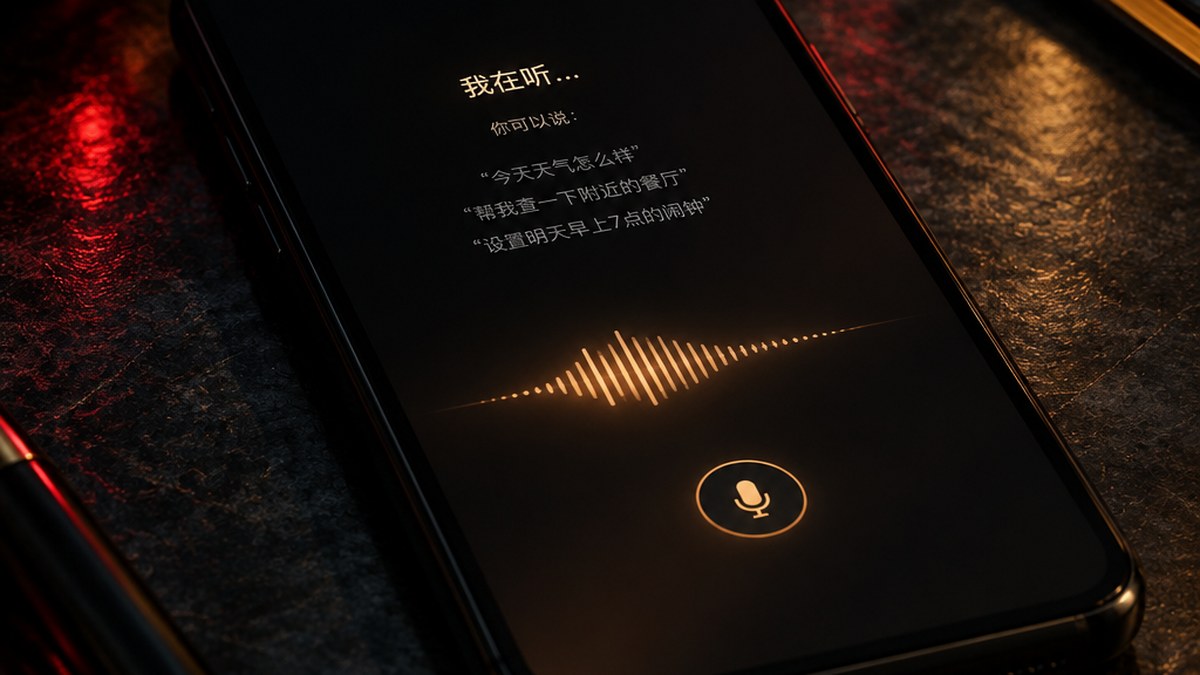
Illustration: Greg Toope
In this article
What Apple actually announced
Apple published a press release on its Chinese Newsroom site confirming that testing of Apple Intelligence in China begins on November 4, delivered inside the next iOS developer beta. That is a narrower commitment than it sounds. Apple has confirmed the date testing starts, not the date iOS 27.3 beta 1 ships to everyone, which is the kind of distinction that matters when you are deciding whether to install anything.
The same release confirms the public rollout lands in December alongside the full release of iOS 27.3. That timing lines up with what Bloomberg reported a couple of weeks before the press release, when it said Apple was targeting December for Apple Intelligence in China as part of iOS 27.3, minus Siri AI and the newest features.
Getting to this point took most of the year. Reuters reported in mid-July that Apple Intelligence had cleared a major regulatory hurdle with Chinese authorities after a long back and forth and several delays. China's state-backed outlet The Paper then reported that Tim Cook had confirmed regulatory approval, with a test version expected before the end of October. Apple is now three days past that expectation, which in regulatory terms is essentially on time.
Why Qwen is the story
Inside China, Apple Intelligence is not the same product you get in Canada. Apple confirmed that users will get an improved Siri experience with Type to Siri, and the ability to access Alibaba's Qwen model for certain requests. Qwen also extends into Writing Tools and Visual Intelligence.
In practice that means Chinese users can ask questions about photos and documents, including PDFs and presentations, and can generate original content from scratch through Writing Tools, with Qwen doing the generation. Users reach Qwen by signing into their accounts or through Sign in with Apple.
This is a regulatory reality, not a product choice. Generative AI services operating in China have to be registered with the Cyberspace Administration, and foreign models are not simply switched on. Building a domestic partner into the stack is how Apple gets permission to ship anything at all. Alibaba gets a distribution channel into every supported iPhone in the country. Both sides get something.
The cost is that the Chinese version of Apple Intelligence is architecturally a different thing from the version running on your iPhone in New Brunswick. Same menus, different engine underneath, and a third party sitting in the middle of requests that Apple markets everywhere else as private and on device.
What Chinese users get in round one
According to Apple's release, the initial rollout includes:
- Live Translation in Messages, FaceTime and Phone
- Writing Tools for rewriting, summarizing and generating text
- Genmoji
- Clean Up in Photos
- Natural language photo search
- Priority notifications and notification summaries
- Smart Reply
- Type to Siri, plus Qwen access for certain requests
That is a genuinely useful feature set. Clean Up and natural language photo search alone change how you use a phone's photo library, and notification summaries are the feature most people end up relying on without noticing.
The rollout is exclusive to iPhone at launch. Apple said support for other platforms, meaning iPad and Mac, comes only after the necessary regulatory approvals are obtained. That is the reverse of the usual Apple pattern, where Mac and iPad often pick up features in the same window.
The hardware list is narrow
Compatibility for the China launch is iPhone 15 Pro and iPhone 15 Pro Max, iPhone 16 and later, iPhone Air, and iPhone Duo. Both Siri and the device language have to be set to English or Simplified Chinese.
Notice what is missing. The base iPhone 15 does not make the list, because it lacks the memory and neural engine headroom Apple requires. If you bought a standard iPhone 15 in China and were waiting for this, you are out of luck, and no software update changes that.
For anyone in Atlantic Canada the relevant point is that the hardware floor has been stable for a while now. Apple Intelligence runs on the same class of device everywhere it ships. What changes country to country is the model behind it and which features are permitted, not the silicon requirement.
Siri AI is still missing
Apple was explicit that Siri AI itself will not be part of the China launch. That is the rebuilt assistant Apple announced at WWDC in June, the one that actually understands context and holds a conversation, and it stays out of the country for now.
Chinese users get Type to Siri, which is the text input path into the existing assistant, plus Qwen for the generative work. That is a meaningful improvement over what they have now and it is not the same product being demoed in California.
The language situation adds another layer. Apple released iOS 27.2 in late October with Siri AI support expanded to French, Japanese, Korean, Portuguese and Spanish, and said four more languages including Traditional Chinese would be supported by the end of the year. Traditional Chinese covers Taiwan and Hong Kong. Simplified Chinese, the mainland standard, is tied to the separate China rollout and its regulatory approvals.
What this means outside China
For Canadian users, the direct answer is nothing changes on your phone. iOS 27.2 is already out, Siri AI already speaks more languages than it did a month ago, and the China launch runs on its own track.
The indirect answer is more interesting. China is Apple's second largest market by revenue and the one place where its AI story had been stuck in neutral for most of 2026. Getting a launch date, even a hedged one, removes a persistent drag on iPhone upgrade cycles in that market. Apple reports earnings in the coming days, and this is the kind of concrete progress that shows up in the commentary around China demand.
It also sets a template. If Apple can ship a partner-model version of Apple Intelligence in one jurisdiction while keeping its own models elsewhere, the same structure could appear in other regulated markets later. That is a more fragmented product than Apple has ever shipped, and it is worth watching.
Should you wait for iOS 27.3
If you are on iOS 27.2 now, stay there unless you have a specific reason to jump into a developer beta. Beta 1 builds are for developers testing their own apps, and the first iOS 27.3 build will carry the China testing framework plus whatever else Apple is holding back.
If you run a business with staff in China on company iPhones, the practical item on your list this week is confirming which devices are eligible. Anything older than iPhone 15 Pro, or a base iPhone 15, will not receive the features in December regardless of what your carrier promises.
For everyone else, December is the date on the calendar. Apple has committed publicly and the regulatory approval is in hand, which is more than could be said in July.
The bottom line
Apple Intelligence arrives in China on a schedule that is finally real: testing November 4, public release in December with iOS 27.3, Qwen inside Writing Tools and Visual Intelligence, Type to Siri but no Siri AI, iPhone only at first, and a hardware list that starts at iPhone 15 Pro. It is the most concrete progress Apple has made in its most difficult market this year, and it is a visibly different product from the one on your phone.
Frequently Asked Questions
When does Apple Intelligence launch in China?
Testing begins November 4, 2026 in the next iOS developer beta. Apple says the features become publicly available in December with the release of iOS 27.3.
Which AI model does Apple use in China?
Alibaba's Qwen. Apple confirmed users can access Qwen for certain requests, and the integration also extends to Writing Tools and Visual Intelligence.
Do Chinese users get Siri AI?
No. Apple said Siri AI remains unavailable in China for now. Users get an improved Siri experience with Type to Siri plus Qwen access.
Which iPhones support Apple Intelligence in China?
iPhone 15 Pro, iPhone 15 Pro Max, iPhone 16 and later, iPhone Air and iPhone Duo, with Siri and device language set to English or Simplified Chinese.
Does this change anything for Canadian iPhone users?
No. Canada runs on Apple's own models with Siri AI, already available with expanded language support in iOS 27.2.