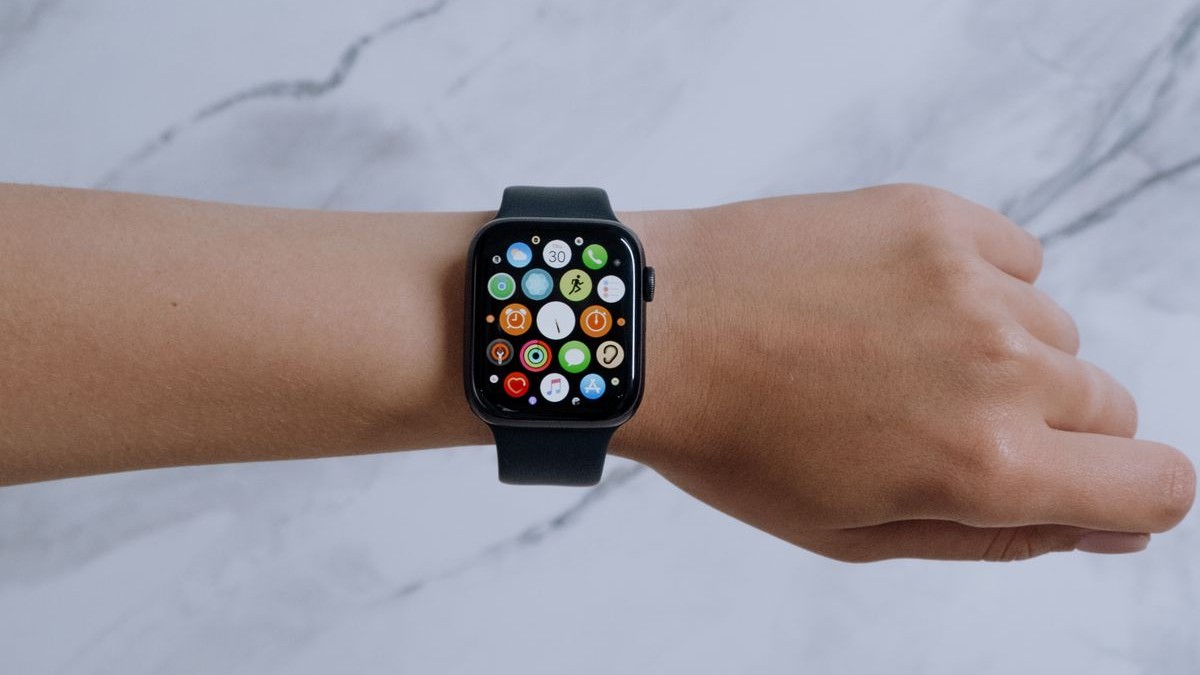
Apple Watch Ultra 4 for Motorcycle Touring: What Actually Changed?
Table of Contents
What Apple actually confirmed
Apple introduced Apple Watch Ultra 4 on September 9, 2026, and said availability would begin September 18. This is a confirmed product announcement, not a rumour roundup. The watch uses Apple’s S11 chip and a new Health Sensing System, with Apple claiming its most accurate heart-rate sensing in a wearable.
The practical headline is endurance. Apple rates everyday battery life at up to 50 hours, up to 84 hours in Low Power Mode, and up to 25 hours for outdoor workout tracking with full GPS and heart-rate readings. Those are manufacturer claims, not independent test results, so treat them as a ceiling rather than a promise for every ride.
What matters for motorcycle touring
For a long motorcycle day, the useful features are the boring ones: GPS recording, readable health and workout data, safety functions, and enough battery to avoid charging at every stop. Ultra 4’s new readiness score combines recent activity, training load, vitals, and sleep score into a 0-to-10 recommendation. That can help decide whether today should be a six-hour push or a shorter recovery ride.
The watch can also be useful before and after a ride. Apple says higher-frequency heart-rate and HRV measurements feed the new health views, while the redesigned Health app is expected later this year. None of that should be treated as a medical diagnosis or as permission to ride when you are fatigued.
What it does not replace
It does not replace a motorcycle GPS, a phone, a satellite communicator, or proper preparation. A watch screen is still a poor substitute for a navigation display while riding, and battery estimates will change with GPS use, cellular activity, temperature, and workout settings. For Atlantic Canada touring, I would still start with a charged phone, offline maps, a charging plan, and a separate emergency strategy.
The genuinely new angle is not that a smartwatch can count a ride. It is that Apple is pushing continuous recovery context and longer GPS endurance into a rugged watch. That makes Ultra 4 more interesting for riders who already live in Apple’s ecosystem, but it is not a reason by itself to replace a working watch.
The difference between a ride tracker and a touring tool
A smartwatch can be useful on a motorcycle trip without becoming the centre of the cockpit. I would use it for the start-of-day check, workout recording, basic notifications, and safety information. I would not use its small display as my primary turn-by-turn navigation screen while moving. That distinction keeps the technology useful instead of distracting.
The new readiness feature is also best understood as a prompt, not a verdict. A low score after poor sleep or a hard previous day is a reason to reconsider the route, leave later, or build in more stops. It is not a precise measurement of whether a rider is legally or physically fit to operate a motorcycle. Weather, medication, stress, and ordinary fatigue are still human decisions.
Battery claims and real-world planning
Apple’s up-to-50-hour everyday figure and up-to-25-hour full-GPS outdoor-workout figure are different use cases. A rider recording a long day with the display frequently awake, cellular connectivity active, and cold temperatures may see less. The right response is not to assume the maximum number. It is to test the watch on a shorter local ride before trusting it on a remote trip.
Charging strategy matters more than the headline number. A rider can top up during lunch, carry the proper charging puck, and avoid arriving at a motel with a completely depleted device. The watch should still be part of a wider plan that includes a phone cable, offline maps, and a way to call for help if the phone or watch fails.
Health data and privacy considerations
Ultra 4’s higher-frequency heart-rate and HRV measurements create more personal data, not just more convenience. The data can help a rider notice patterns in recovery, but it should be handled like any other sensitive health information. Review which apps can access it, understand what is stored on the phone or in the cloud, and avoid turning an informal readiness score into a public performance claim.
Apple also says Audio Intelligence features are coming later and that Siri AI on Apple Watch is powered by watchOS 27. Those are announced capabilities, but a rider should not buy the watch on the assumption that every future feature will work identically in every country, language, or account configuration. The currently available hardware and software should carry the buying decision.
The honest touring verdict
Ultra 4 is a credible upgrade for an Apple user who wants longer outdoor tracking, a rugged watch, and recovery information in one device. It is not a motorcycle navigation replacement, a satellite communicator replacement, or a substitute for sensible fatigue management. The meaningful change is the combination of endurance and continuous health context, not a single dramatic riding feature.
For Greg’s kind of long Atlantic Canada riding, the best case is simple: use the watch as a quiet background record of the day, not as another screen demanding attention. That is a useful upgrade, provided the rider already wants the Apple ecosystem.
Sources
Apple Newsroom, “Apple unveils Apple Watch Ultra 4,” September 9, 2026: apple.com/newsroom/2026/09/apple-unveils-apple-watch-ultra-4/