iPad Mini OLED Runs at 60Hz: Apple Explains the Missing ProMotion
Apple's David Pakula explains why the new iPad mini has OLED but no ProMotion. What pixel response time really means and whether 60Hz should stop you buying.
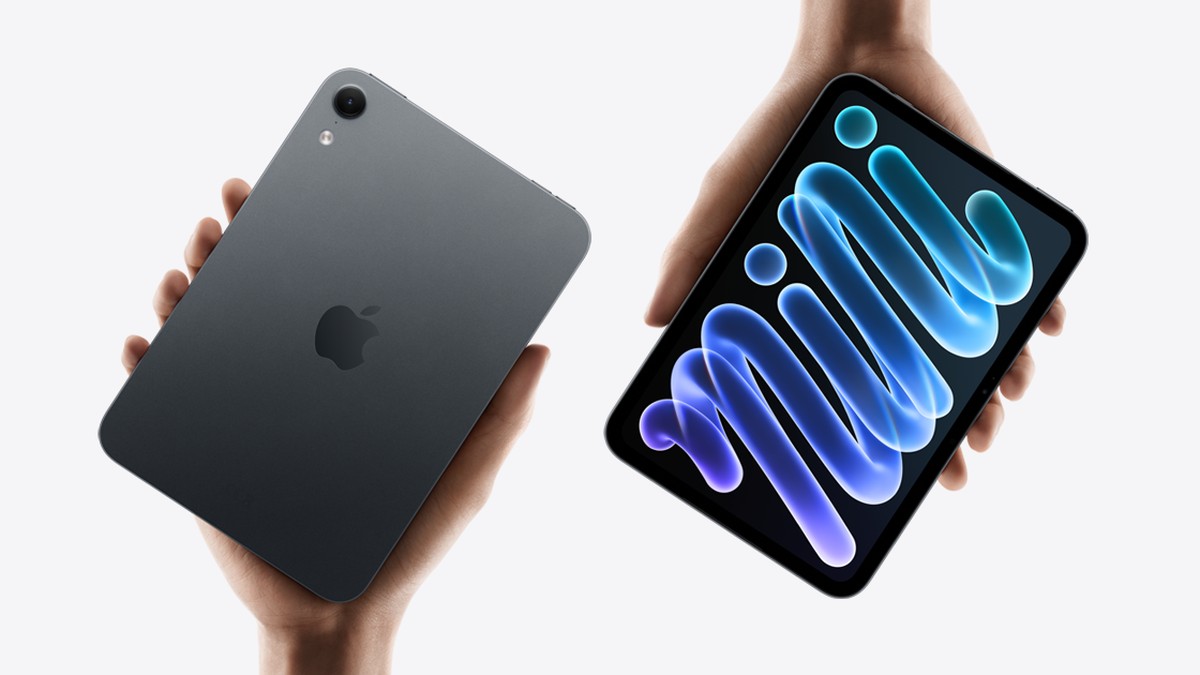
Image: Property of Apple
In this article
What Apple actually said
An Apple executive finally addressed the question every reviewer asked within minutes of the iPad mini announcement. In an interview with YouTuber and podcaster Christopher Lawley, Apple's vice president of hardware design David Pakula was asked why the new iPad mini has an OLED display but no ProMotion, meaning it runs at 60Hz rather than 120Hz. His answer did not claim the omission was intentional for battery or cost reasons. It argued the display is still a large improvement anyway. "Display experience is about more than just a single spec," Pakula said. "One of the things that's really cool about OLED is it actually has this really fast pixel response time. So it's like more than an order of magnitude faster than the pixel response time for an LCD display. And what that does is it makes everything really smooth."
Why pixel response is not the same as refresh rate
Pakula is describing something real, and it is worth understanding because the two numbers get conflated constantly. Pixel response time is how fast an individual pixel changes colour, and OLED is genuinely far faster than LCD there, which is why an OLED panel shows less motion blur and less ghosting when things move. Refresh rate is how many times per second the whole image is redrawn. A 60Hz panel redraws 60 times a second no matter how fast its pixels are. Faster pixels on a 60Hz screen means each frame is cleaner; it does not mean you get more frames. Scrolling a long page or dragging a window will still look like 60Hz motion, just sharper 60Hz motion.
The rest of the display is a genuine upgrade
The specs back up the rest of his argument. Apple rates the new iPad mini at 600 nits for standard content, up from 500 on the previous LCD model, and up to 1,200 nits for HDR. Apple's tech specs list a 2,000,000:1 contrast ratio, true black from individually lit pixels, P3 wide colour, and the same 326 pixels per inch density as before. The panel is 8.5 inches, larger than the outgoing model, and the device is thinner and lighter. Against the iPad mini it replaces, this is not a marginal display change, and anyone coming from an older mini will notice it immediately.
Where the criticism is fair
The counterargument, and it is a fair one, is that ProMotion has been on Apple's higher-end products for years and Apple chose to keep it exclusive to the iPad Pro among iPads. Commenters on the announcement were blunt about it: 60Hz is still 60Hz, and a panel that responds faster does not make scrolling feel like a 120Hz display. The strongest version of the complaint is not about the display quality at all, it is about positioning. At 699 USD for the base model, buyers are entitled to ask why a refresh rate that has become common on mid-range Android tablets of a fraction of the price is reserved for Apple's most expensive iPad.
Does it matter for what people do on a mini
This is the question that actually decides the purchase, and the answer depends entirely on use. Reading, note-taking with a Pencil, watching video, browsing, and light photo editing all look excellent on a high-brightness OLED at 60Hz, and most people will not notice the refresh rate. Gaming and heavy pencil drawing are where 120Hz earns its keep, because that is where fast motion is constant and input latency is felt. If you sketch or play shooters on a tablet, this is the wrong device and the iPad Pro is the answer. If you read, watch and take notes, the 60Hz limit is a spec sheet talking point rather than a daily irritation.
The Canadian buying decision
The new iPad mini starts at 699 USD and is available to pre-order now, with the launch on Friday, November 6. Canadian pricing is set separately, so check apple.com/ca for the current figure rather than converting the US number. Two things are worth weighing before you order. First, the nano-texture display option adds cost and is genuinely useful if you read outdoors or in bright rooms. Second, anyone with an older mini who mainly reads should ask whether this is worth it now or whether waiting for the next generation, which may add ProMotion, is smarter. The honest read is that this is the largest iPad mini update in years and the refresh rate is the one compromise.
How the older mini compares in the hand
If you own the previous iPad mini, the physical change is as significant as the display change. The new model is 8.5 inches against the older 8.3, it is thinner, it is lighter, and it adds IP67 water and dust resistance, which the previous model did not have. Apple also moved the front camera to the landscape edge, so video calls stay centred when the tablet is in a keyboard case or propped up. Those are the sorts of changes that matter more in daily use than a refresh rate figure, because they are the things you notice every single time you pick the device up.
What ProMotion actually does when it is present
It is worth being concrete about what buyers are missing, because the absence is easy to overstate. On an iPad Pro, ProMotion lets the panel drop as low as 10Hz when nothing is moving and rise to 120Hz during scrolling, which saves battery when reading and smooths motion when scrolling. On a 60Hz panel, the display runs at 60Hz and that is the whole story. In practice the difference shows up in three places: scrolling long documents, dragging windows in Stage Manager, and using the Apple Pencil, where a higher refresh rate reduces the gap between the pencil tip and the ink. Only the third is likely to frustrate a typical buyer.
Frequently Asked Questions
Does the new iPad mini have a 120Hz display?
No. The new iPad mini has an OLED display limited to 60Hz with no ProMotion support, so the refresh rate does not scale up to 120Hz.
Why did Apple skip ProMotion on the iPad mini?
Apple has not given a technical justification. Apple VP of hardware design David Pakula argued the OLED panel's much faster pixel response time reduces motion blur compared with the previous LCD model, and that display experience is more than one spec.
How much does the new iPad mini cost and when does it launch?
It starts at 699 USD, is available to pre-order now, and launches on Friday, November 6, 2026. Canadian pricing is set separately on apple.com/ca.
Should I buy the iPad mini or wait for 120Hz?
If you read, watch video or take notes, the 60Hz OLED is unlikely to bother you. If you draw intensively or play fast games, wait or choose an iPad Pro, which has ProMotion.