Home / Moto Blog / Smart Rings for Motorcycle Touring
Smart Rings for Motorcycle Touring — Tracking Fatigue on Multi-Day Rides
Multi-day motorcycle touring is an endurance event. You're riding 300-500 km (186-311 miles) per day, dealing with weather, traffic, wind, and vibration — all while making split-second safety decisions. Fatigue compounds across days, and the difference between a safe, enjoyable tour and a dangerous one is often recognizing when your body needs rest before your mind admits it.
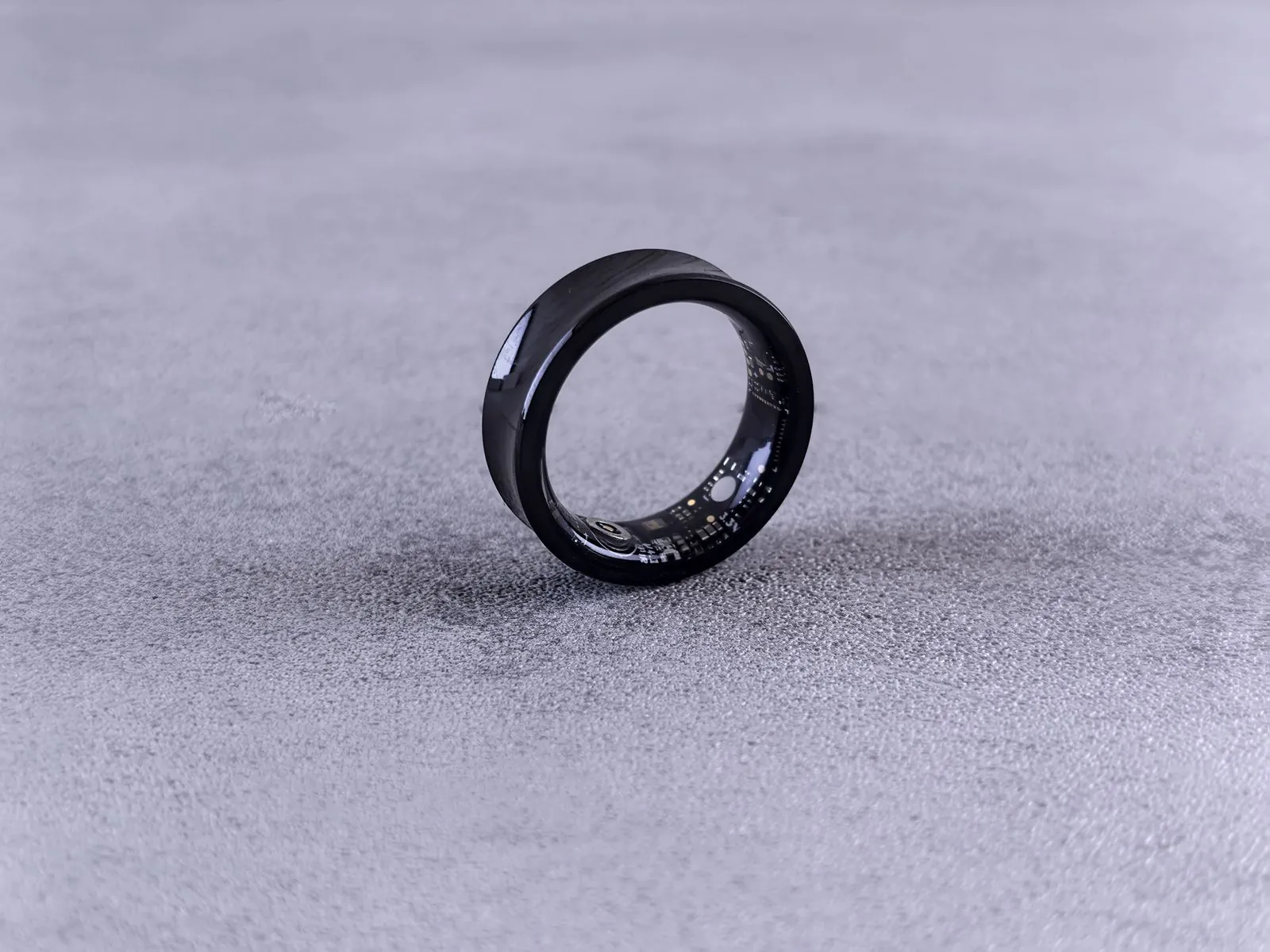
Smart rings — Oura, RingConn, Samsung Galaxy Ring — track the exact data that matters for touring: sleep quality, heart rate variability (HRV), resting heart rate, and recovery scores. Here's how to use that data to ride smarter on multi-day trips.
Table of Contents
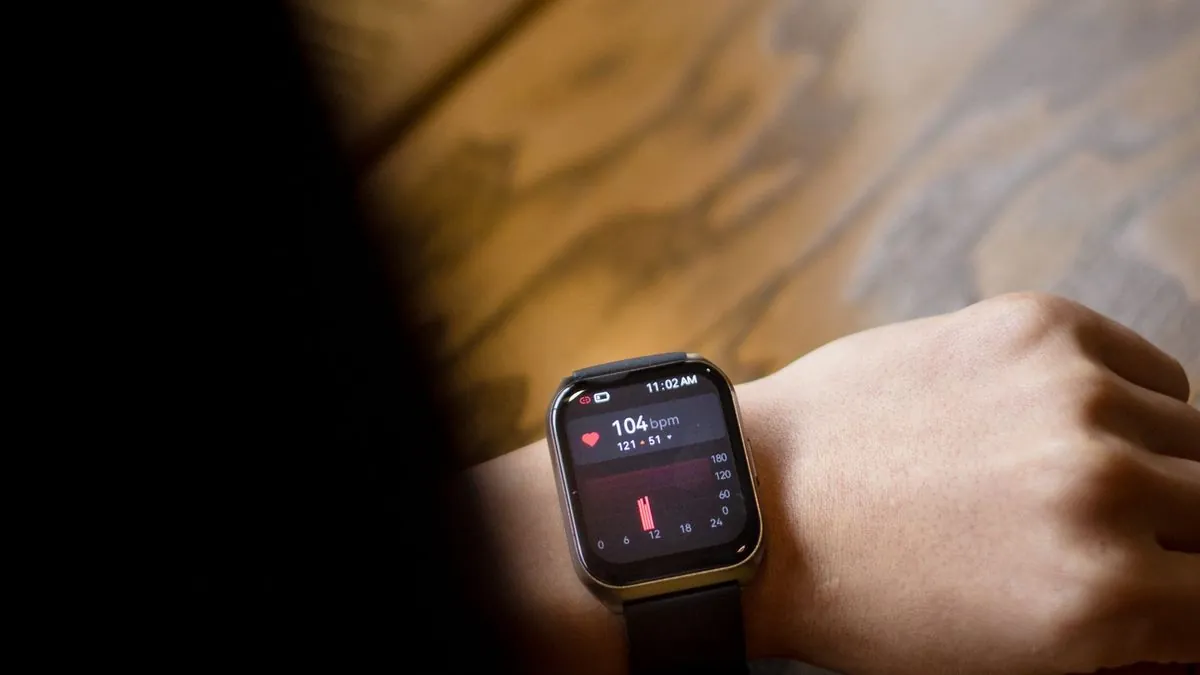
Why a Ring, Not a Watch
For motorcycle touring, a smart ring has practical advantages over a smartwatch:
- Battery life: Smart rings last 5-10 days; smartwatches last 1-2 days. On a 7-day tour, you don't need to charge a ring. A watch needs nightly charging — another cable to pack.
- Glove compatibility: A ring sits under your glove. It doesn't interfere with grip or controls. A smartwatch under a riding jacket sleeve is harder to check.
- Sleep tracking accuracy: Rings are more accurate for sleep tracking because they're more comfortable overnight. They don't have a screen that lights up, and the finger-based PPG sensor is more accurate than wrist-based.
- Discreet: A ring doesn't scream "I'm tracking my health." It's just jewelry that happens to be a sensor array.
Key Metrics for Touring
Heart Rate Variability (HRV)
HRV is the single most important metric for touring. It measures the variation in time between heartbeats — higher variability means your nervous system is balanced and recovered. Lower variability means stress, fatigue, or insufficient recovery.
On a multi-day tour, you'll see HRV trend downward as fatigue accumulates. A sharp drop on day 3 or 4 is a signal: your body is telling you to rest before your mind realizes it. This is the difference between pushing through fatigue (risky on a motorcycle) and planning a shorter day or rest day.
Sleep Score
Sleep quality directly affects riding performance. A smart ring tracks sleep stages (light, deep, REM), duration, and disruptions. After a night of poor sleep at a noisy campground, the sleep score tells you objectively what you already suspect: today should be a shorter ride.
Resting Heart Rate (RHR)
Resting heart rate above your baseline indicates stress, fatigue, or illness. On tour, an elevated RHR after a hard riding day is normal. But if RHR stays elevated for 2+ consecutive mornings, it signals accumulating fatigue that won't resolve without rest.
Recovery/Readiness Score
Oura calls it "Readiness Score." RingConn calls it "Recovery." Samsung calls it "Energy Score." All three combine HRV, sleep, RHR, and activity into a single number that answers one question: am I recovered, or do I need rest?
Which Ring for Touring
| Feature | RingConn Gen 2 | Oura Ring 4 | Samsung Galaxy Ring |
|---|---|---|---|
| Battery Life | 7-10 days | 5-7 days | 5-7 days |
| Subscription | None | $8-12/month | None |
| HRV Tracking | Yes | Best accuracy | Yes |
| Best for Touring | Yes — longest battery | If you already own one | Only with Samsung phone |
For touring specifically, the RingConn Gen 2 is the best choice. 7-10 day battery means you never charge it during a trip. No subscription means no recurring cost. The accuracy is slightly below Oura, but for touring decisions (rest day or ride day?), the difference doesn't matter.
The Oura Ring 4 is more accurate and has a better app, but the 5-7 day battery means you'll need to charge it mid-trip on longer tours. The subscription adds cost. If you already own an Oura, use it — it's excellent. But if buying specifically for touring, RingConn's battery life wins.
The Touring Workflow
Here's how to integrate a smart ring into a multi-day motorcycle tour:
- Each morning: Check your recovery score before planning the day's route. Let the data inform — not dictate — your distance.
- Each evening: The ring automatically tracks your sleep. No action needed — just wear it.
- Day 1-2: Baseline. Your scores reflect pre-tour fitness and sleep. Establish your normal range.
- Day 3-4: Watch for declining HRV. This is when cumulative fatigue typically shows. A 10-15% HRV drop is normal and manageable. A 25%+ drop means plan a rest day.
- Day 5-7: If scores are holding steady, you're fit for the distance. If declining, reduce daily distance by 20-30%.
- Rest days: If your recovery score drops below 60, take a rest day. Stay at the hotel/campsite, walk around, let your body recover. One rest day can reset your entire tour.
A Real Example
On a 4,000 km (2,485 mile) trip to Muskoka, the ring data told a clear story: Day 1 was strong (HRV 65, good sleep). Day 2 after an 8-hour ride, HRV dropped to 52 — manageable but trending down. Day 3 at the event with socializing and less riding, HRV recovered to 60. The return ride days showed the most fatigue — HRV dropped to 45 on day 5, a signal to take it easier on the road.
That's the value: not replacing your judgment, but giving you data to make better decisions. When you're tired, your judgment about how tired you are is unreliable. The ring doesn't have that bias.
Motorcycle touring is supposed to be fun. Arriving exhausted, irritable, and dangerous isn't fun. A smart ring helps you recognize the line between "tired but good" and "too tired to ride safely" before you cross it. That's worth the cost of a ring for any rider who does regular multi-day tours.
Buy on Amazon
Affiliate Disclosure: As an Amazon Associate I earn from qualifying purchases. If you buy through these links, I may earn a small commission at no extra cost to you.