Home / Moto Blog / Motorcycle Camping Essentials
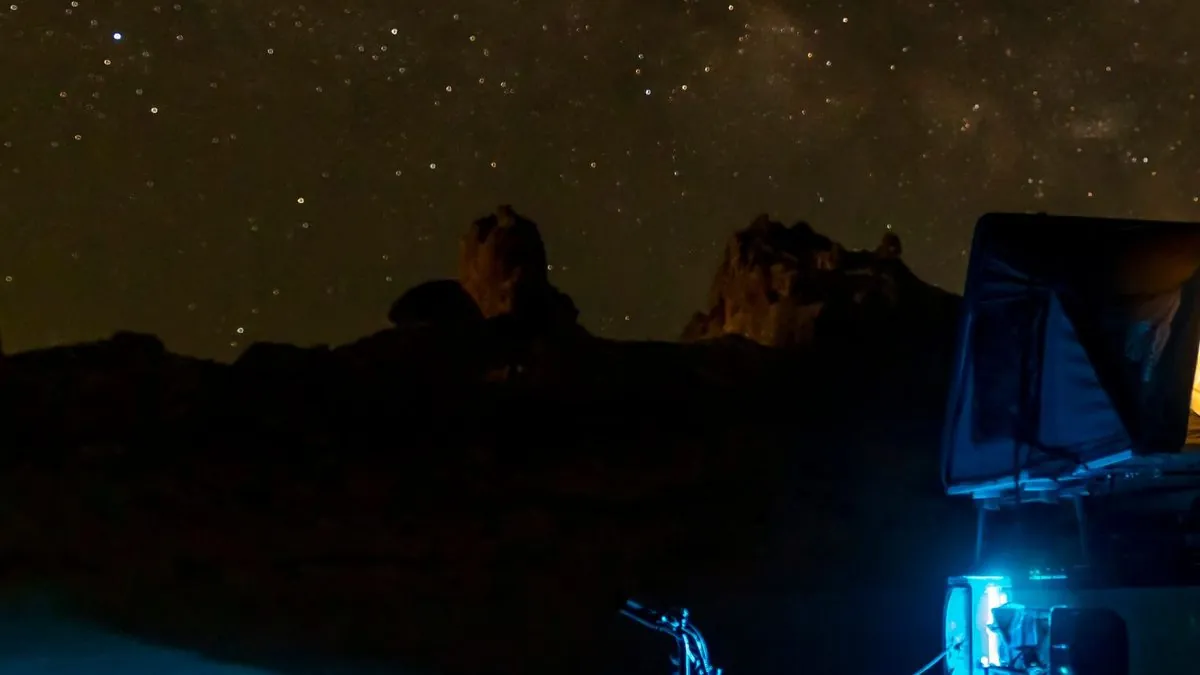
Motorcycle camping is one of the fastest-growing segments in touring. Searches for "motorcycle camping tent" are up 240% year-over-year, and it makes sense — combining the freedom of riding with the affordability of camping means you can stay on the road longer for a fraction of the cost. But packing a full camp setup on a bike requires a different approach than car camping. Every gram matters, and every item needs to earn its place in your limited luggage.
Here's the complete gear guide for motorcycle camping in 2026 — what to bring, what to skip, and how to pack it all on a touring bike.
The tent is the biggest single item in your camping kit, and it's the one that causes the most packing headaches on a motorcycle. Car camping tents are too bulky — you need something designed for backpacking, where packed size and weight are the primary engineering constraints.
$430-480 CAD ($315-350 USD)
1.3 kg (2.9 lbs) packed, stuffs to 43 x 13 cm. Single-wall hybrid design keeps weight down while maintaining decent ventilation. The freestanding pitch means you can set it up on any surface — important when you're parking on gravel or hardpan at a roadside stop.
$580-630 CAD ($425-460 USD)
1.26 kg (2.8 lbs) packed, stuffs to 41 x 12 cm. The gold standard for ultralight motorcycle camping. Dual-door design is useful when sharing with a partner, and the vertical walls create usable interior space. The trade-off is price — it's the most expensive option here.
$480-520 CAD ($350-380 USD)
1.59 kg (3.5 lbs) packed. Slightly heavier but more durable than the Hornet or Copper Spur. The DAC pole system is genuinely bombproof, and the rainfly handles coastal weather well — an important consideration for Atlantic Canada touring where conditions change fast.
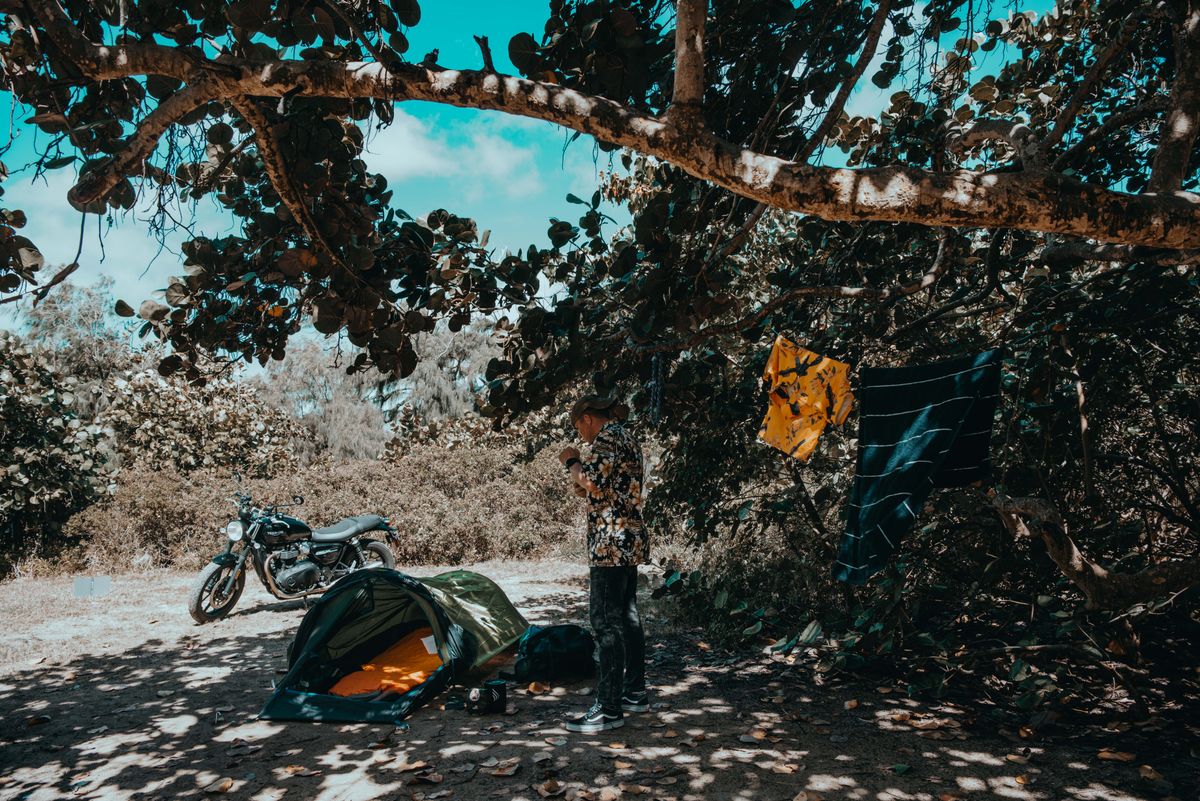
For solo riders, a 1P tent saves another 300-400g. The Nemo Hornet 1P and Big Agnes Fly Creek HV UL1 are both under 1 kg packed. The trade-off is elbow room — you'll be sleeping with your gear inside, which is actually normal for motorcycle camping anyway.
A good tent is useless without a proper sleep system. The two items that matter most: your sleeping bag and your sleeping pad. Skip either and you'll be miserable.
For summer touring in Canada (June-September), a bag rated to 5°C (41°F) is sufficient. For shoulder season (May, October), drop to 0°C (32°F) or lower. Down bags compress smaller and weigh less than synthetic — a 0°C down bag packs to roughly 15 x 10 cm and weighs under 700g.
$340-380 CAD ($250-280 USD)
570g, packs to 15 x 10 cm. 900-fill down with a water-resistant treatment. One of the best weight-to-warmth ratios available. For summer-only riders, the Hyperion 45°F is even lighter at 380g.
$390-440 CAD ($285-320 USD)
565g, packs to 14 x 9 cm. Ultralight down bag with a zippered foot vent for temperature regulation. The Spark series is consistently top-rated in backpacking reviews for its packability.
Don't skip the pad. A sleeping bag's insulation is useless when compressed under your body weight — the pad provides the actual thermal barrier between you and the cold ground.
$210-240 CAD ($155-175 USD)
340g (regular), packs to 23 x 10 cm. R-value 4.2 means year-round usable. The gold standard for ultralight inflatable pads. The crinkly noise is the only real complaint.
Hot food and coffee on a motorcycle trip isn't a luxury — it's morale. After 400 km (249 miles) of riding in variable weather, a hot meal at camp is the difference between a good day and a great one.
$140-160 CAD ($100-115 USD)
425g (including stove and pot). Boils 0.5L in about 2 minutes. The integrated system means the stove, fuel canister, and pot nest together. It's the most compact cooking setup available for motorcycle camping. For simple meals — hot water for dehydrated food, coffee, soup — it's perfect.
$70-90 CAD ($50-65 USD) stove + $40-60 pot
73g stove, compact titanium pot (450-750ml). Lighter and more versatile than the Jetboil if you want to actually cook rather than just boil water. The trade-off is wind resistance — the Jetboil's integrated design is much better in gusty conditions.
For food, dehydrated meals from brands like Peak Refuel or Mountain House are the standard approach. They're lightweight (100-150g per meal), require only hot water, and taste genuinely good in 2026 — the quality has improved dramatically over the past few years. Pack 2-3 per day plus instant coffee packets and energy bars for ride-day fuel.
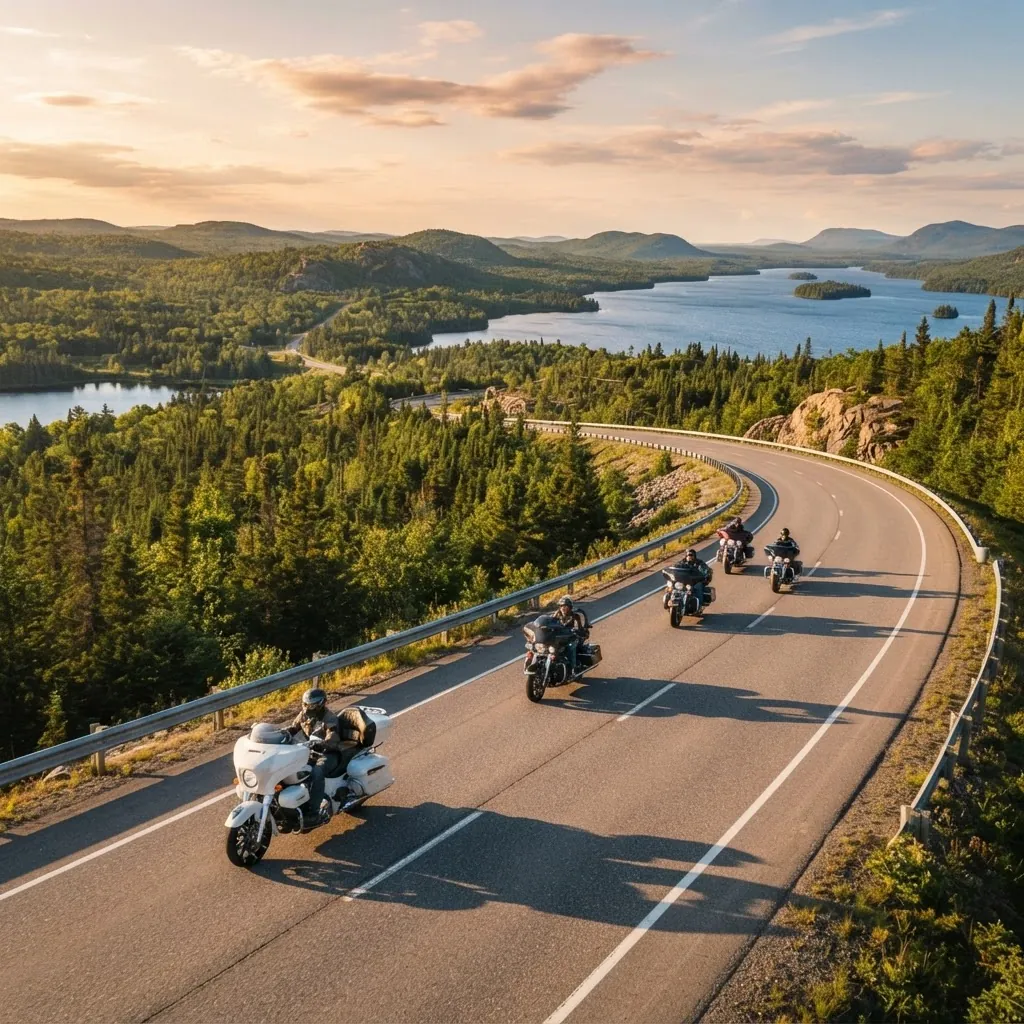
This is where motorcycle camping gets real. A touring cruiser like the Indian Pursuit has saddlebags, a tour-pak, and a tank bag — but fitting a tent, sleeping bag, pad, cooking system, food, and clothing alongside your riding gear requires discipline.
Road spray and rain will find every gap in your luggage. Use dry bags inside saddlebags — even "waterproof" factory bags have seams that can wick water in a sustained downpour. The standard approach is 5L and 10L roll-top dry bags from brands like Sea to Summit or Osprey, nested inside your hard luggage.
Keep these in your tank bag — the items you need without dismounting or unpacking:
Your riding gear does double duty. The key is a layering system that works for both riding and camp:
$35-45 CAD ($25-35 USD)
78g. Hands-free lighting for setting up camp in the dark, cooking, and navigating to the bathroom at 2am. A headlamp is non-negotiable — phone flashlights require one hand and run your battery down.
For campsite safety, a small personal locator beacon or satellite messenger (Garmin inReach Mini 2, ~$450 CAD) is worth carrying on remote routes. Atlantic Canada and Newfoundland have long stretches without cell coverage — the ability to call for help is insurance you hope to never use but shouldn't leave behind.
You don't need to spend $2,000 to start motorcycle camping. Here's where to invest and where to save:
| Item | Budget | Premium | Spend Here? |
|---|---|---|---|
| Tent | $200 | $500+ | Yes — packed size matters |
| Sleeping Bag | $100 | $400 | Yes — down compresses 50% smaller |
| Sleeping Pad | $50 | $230 | Mid-range is fine |
| Stove | $50 | $160 | Budget is fine |
| Headlamp | $25 | $80 | Budget is fine |
| Dry Bags | $15 | $45 | Budget is fine |
The two items worth investing in are the tent and sleeping bag — these are where packed size and weight savings compound across a multi-day tour. Everything else has perfectly functional budget options.
Affiliate Disclosure: As an Amazon Associate I earn from qualifying purchases. If you buy through these links, I may earn a small commission at no extra cost to you.