Home / Moto Blog / Motorcycle Camping vs Hotel Touring
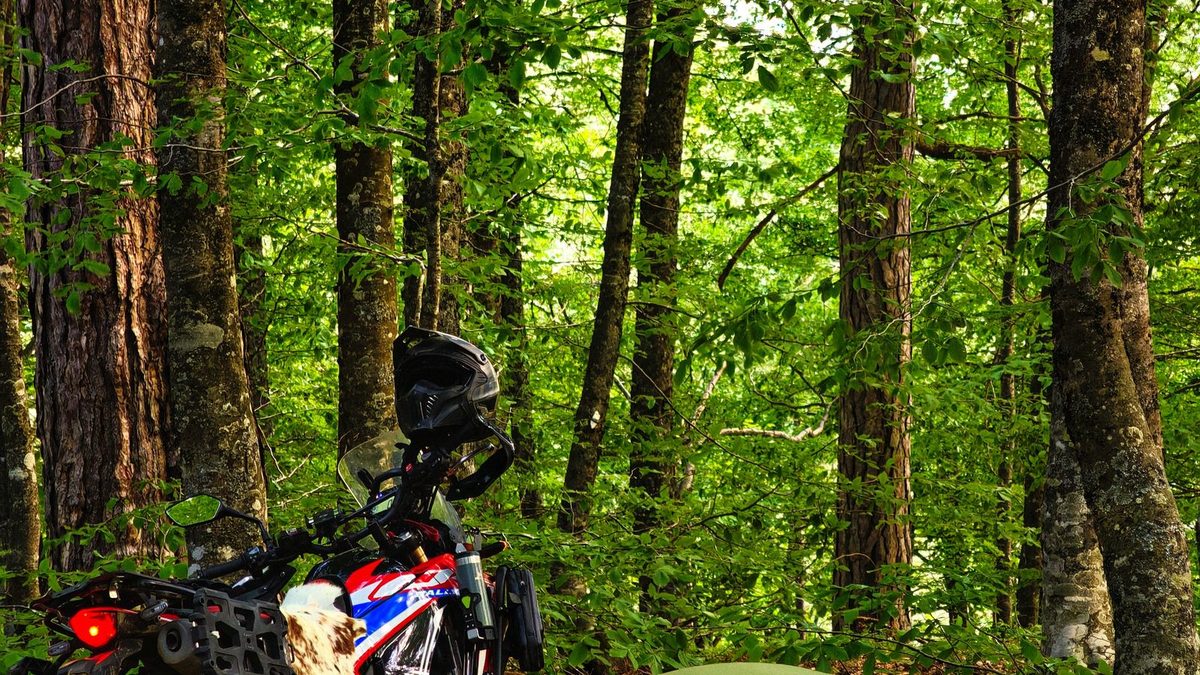
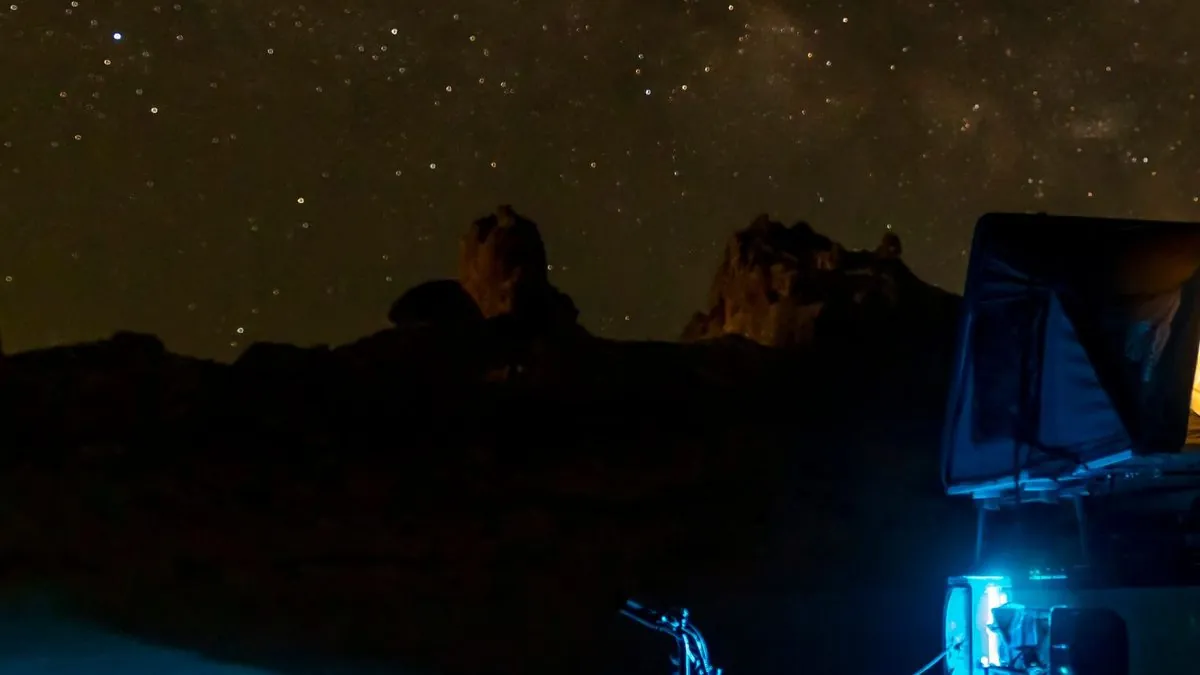
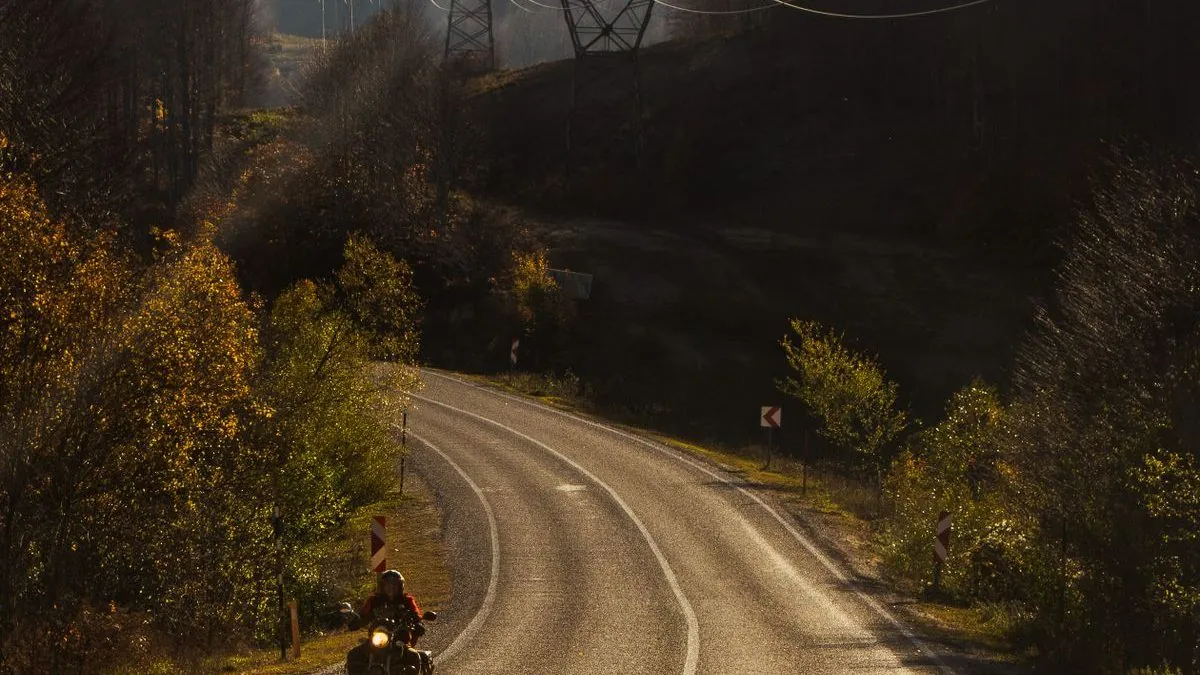
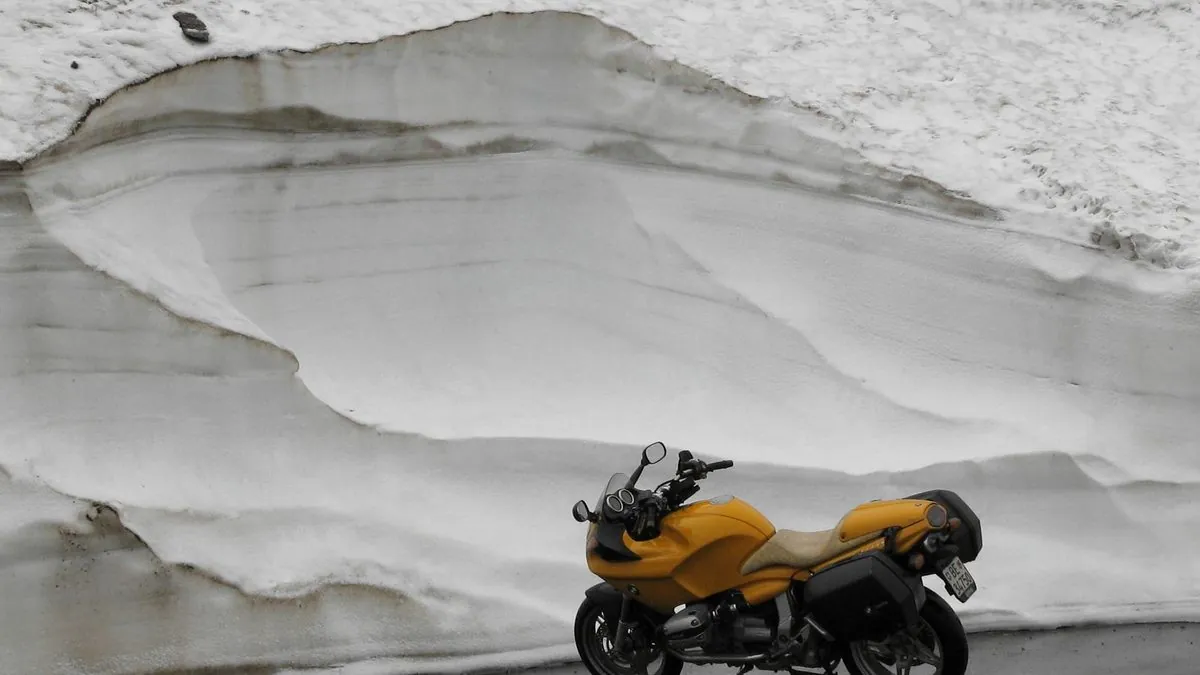
The debate is as old as motorcycle touring itself: camp or hotel? Some riders swear by the simplicity and cost savings of sleeping under the stars. Others won't give up a hot shower and a real bed. After years of touring across Canada and the US — over 200,000 km (124,000 miles) — I've done both extensively. The answer isn't either/or. It depends on the trip, the weather, and what you're trying to get out of the ride.
Here's the honest breakdown — costs, pros, cons, and the hybrid approach that most experienced tourers actually use.
Let's start with the numbers for a 7-day, 2,000 km (1,243 mile) touring trip:
| Expense | Camping | Hotel |
|---|---|---|
| Lodging (7 nights) | $140-245 CAD ($20-35/night) | $840-1,400 CAD ($120-200/night) |
| Meals | $200 CAD (groceries + camp cooking) | $500-700 CAD ($70-100/day restaurants) |
| Gear investment (one-time) | $500-1,500 CAD | $0 |
| Fuel (same for both) | $140 CAD | $140 CAD |
| Total (first trip) | $830-1,885 CAD | $1,480-2,240 CAD |
| Total (subsequent trips) | $330-525 CAD | $1,480-2,240 CAD |
The cost difference is dramatic — camping saves $600-1,200+ per week once you've amortized the gear. Over a season of touring, that's thousands of dollars. But the initial gear investment is real, and it takes 2-3 trips to break even.
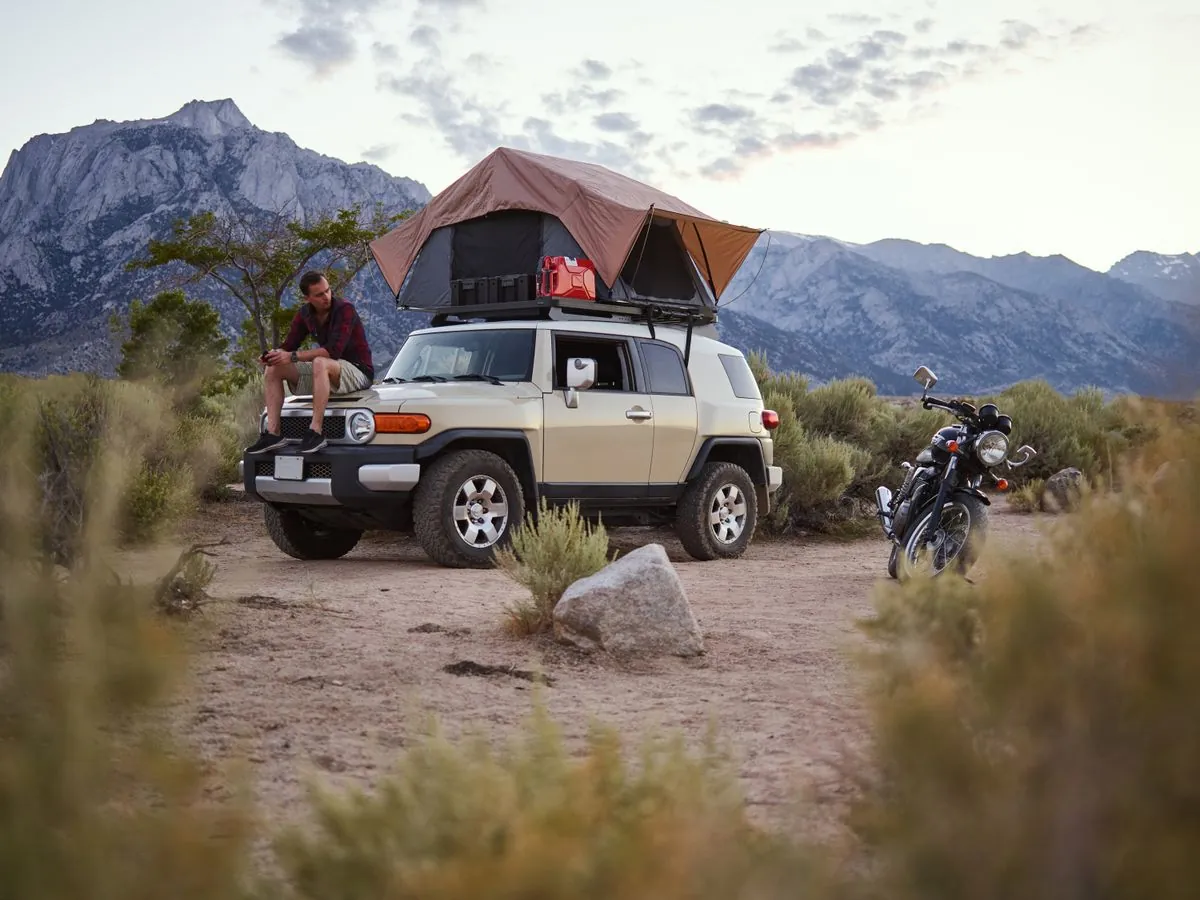
This is what most experienced tourers actually do, and it's the approach I use on long trips:
On my 4,000 km (2,485 mile) ECIC Muskoka trip, the pattern was: camp on the ride-up days (covering distance through Quebec and Ontario), hotel during the event (socializing, recovery, laundry), camp on the ride-home days. The cost was roughly half of all-hotel touring, and the comfort was 80% of what you'd get staying in hotels every night.
Camp if: You're doing a point-to-point tour where every day is a ride day. You're on a budget. The route has good campground coverage. You enjoy sleeping outdoors. The weather forecast is cooperative.
Hotel if: You're doing a destination trip (arrive, stay, explore, return). The weather is uncertain. You're covering very long daily distances and need maximum recovery. Your partner is riding two-up and values comfort. The route has limited campground options.
Hybrid if: You're doing a multi-week tour with a mix of ride days and rest days. You want cost savings without sacrificing all comfort. This is the sweet spot for most riders.
There's no wrong answer — only the answer that fits your trip, your budget, and your tolerance for discomfort. The best motorcycle tour is the one you actually take, whether you sleep in a tent or a hotel bed. The riding is the point. Everything else is just where you wake up before you ride again.
Affiliate Disclosure: As an Amazon Associate I earn from qualifying purchases. If you buy through these links, I may earn a small commission at no extra cost to you.