Home / Moto Blog / Winter Motorcycle Riding in Atlantic Canada 2026
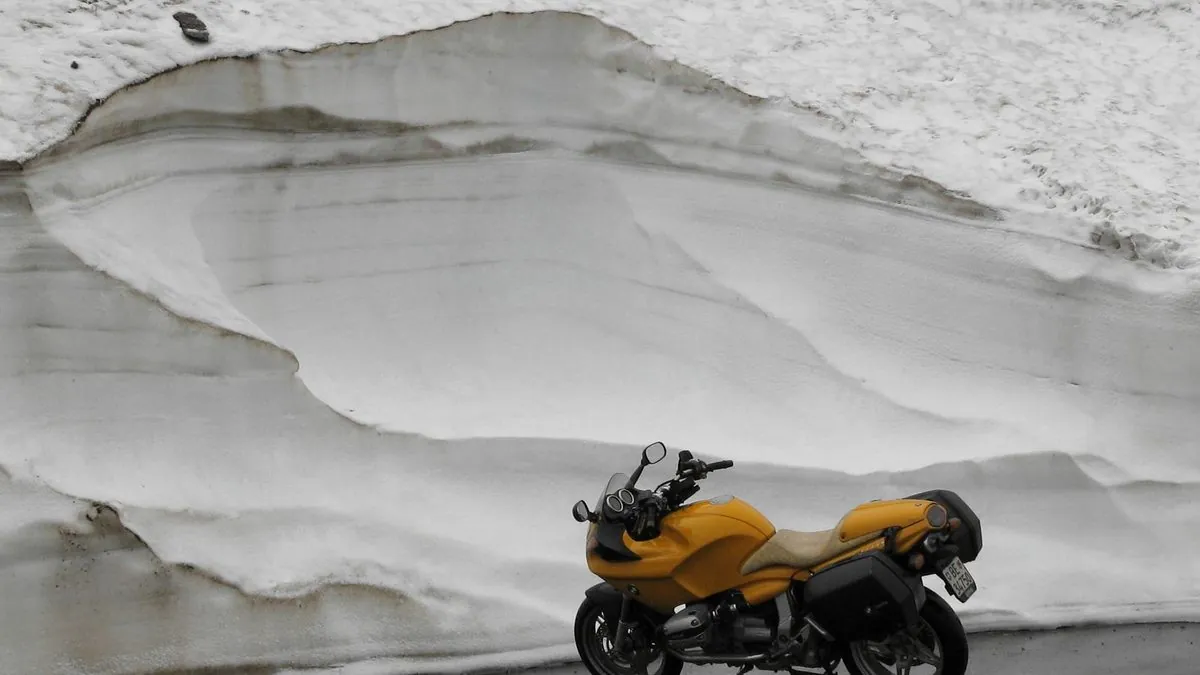
Most riders in Atlantic Canada park their bikes by November and dream about spring. But a hardy group of year-round riders keep going through December, January, and February — picking clear days, managing road salt, and treating cold-weather riding as a skill worth mastering.
With over 200,000 km (124,000 miles) of riding experience across 28 states and multiple Canadian provinces, I've ridden in conditions most people wouldn't consider. Here's the practical guide to winter riding in Atlantic Canada — the gear, the maintenance, and the honest limits.
Road salt is the number one reason winter riding shortens a motorcycle's life. Atlantic Canada uses aggressive salt and brine mixtures on roads from November through April. Salt on your bike isn't cosmetic — it's electrochemical. It creates a conductive layer that accelerates corrosion on aluminum, steel, and chrome simultaneously.
Every winter ride that involves salt-exposed roads requires a wash immediately after. Not tomorrow. Not next week. Today.
If you're riding through winter, keep the bike in a heated garage if possible. If not, a cover with a moisture barrier underneath is essential. Avoid plastic tarps — they trap condensation, creating a humid microclimate that accelerates corrosion. A breathable motorcycle cover (like the Dowco Guardian) allows moisture to escape while blocking salt-laden air.
Cold-weather riding without heated gear is miserable and dangerous. Cold reduces dexterity, slows reaction time, and causes fatigue faster than any other factor. Heated gear isn't luxury — it's safety equipment.
OEM or Oxford HotGrips: $80-150 CAD
The foundation of winter riding. Your hands are the first to go cold, and once they're numb, you can't operate controls safely. Heated grips keep your hands functional even at -5°C (23°F). Most touring bikes (including the Indian Pursuit) have OEM heated grips or accessory ports.
Gerbing or Warm & Safe: $200-300 CAD
The single most important piece of winter riding gear. A heated liner warms your core, which keeps blood flowing to your extremities. Without core heat, heated grips and gloves can't overcome the heat loss from your torso. Connect to the bike's battery via a fuse panel — most touring bikes have 12V accessory outputs.
Gerbing T5 or Keis: $250-350 CAD
When combined with a heated jacket liner (which powers them), heated gloves maintain full dexterity down to -10°C (14°F). Without a heated liner, gloves alone fight a losing battle against cold blood coming from a cold core.
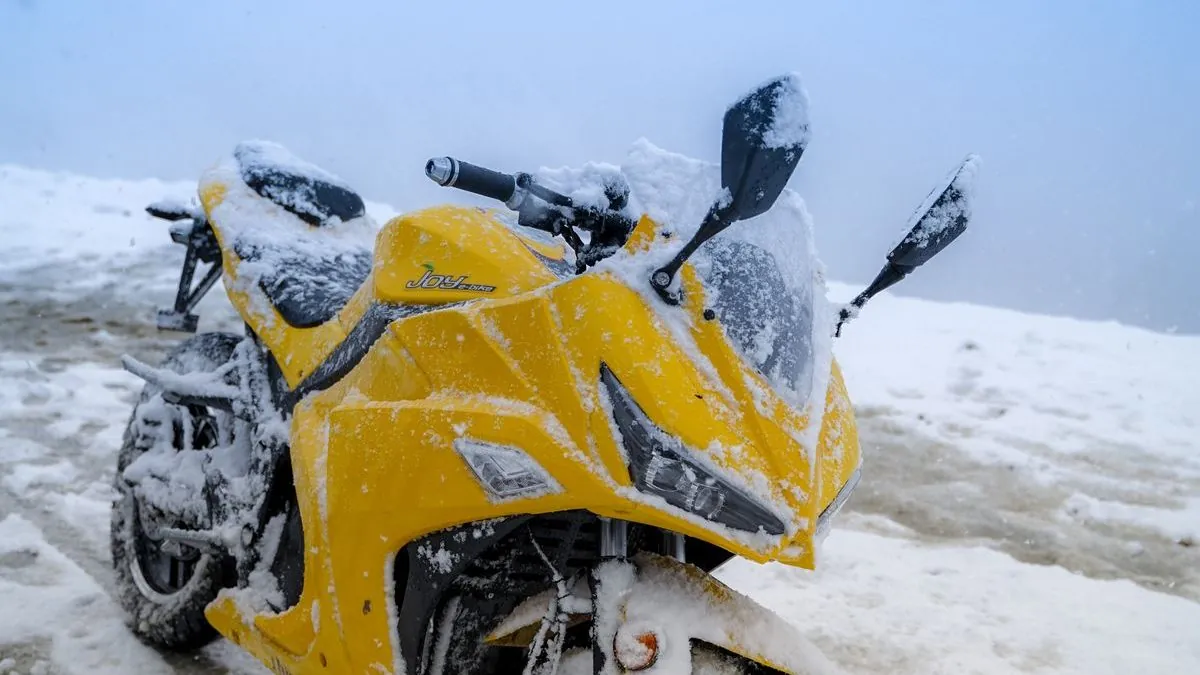
Tire rubber hardens as temperatures drop. Below 7°C (45°F), summer and sport-touring tires lose significant grip. Below 0°C (32°F), they're essentially plastic. This isn't about compound ratings — it's basic physics.
Heated gear is the core, but layering manages moisture and insulation:
Winter riding is about knowing when NOT to ride. Here are the hard limits:
| Condition | Verdict |
|---|---|
| Clear roads, above 5°C (41°F) | Ride — this is comfortable with standard gear |
| Clear roads, 0-5°C (32-41°F) | Ride with heated gear — manageable |
| Clear roads, -5 to 0°C (23-32°F) | Ride with full heated kit — challenging but doable |
| Below -5°C (23°F) | Park it — dexterity and tire grip are too compromised |
| Salt-brined roads | Ride only if you'll wash immediately after |
| Black ice risk (shaded roads, bridges) | Never ride — black ice is invisible and lethal |
| Snow or slush on road surface | Never ride — zero traction, zero control |
Winter riding isn't about proving something. It's about extending the season by a few weeks on either end and grabbing those crisp, beautiful winter days when the roads are dry and the air is sharp. With the right gear, a strict salt-wash protocol, and honest judgment about conditions, you can ride more months than you think in Atlantic Canada. But knowing when to park it is just as important as knowing how to ride in the cold.
Affiliate Disclosure: As an Amazon Associate I earn from qualifying purchases. If you buy through these links, I may earn a small commission at no extra cost to you.