In This Article
- What Is the Nova Scotia Four Corners Tour?
- The Four Official Corners
- North Corner — North Highlands Museum, Cape North
- South Corner — United Baptist Church, Clark's Harbour
- East Corner — Fortress of Louisbourg, Cape Breton
- West Corner — Brier Island Lodge, Westport
- Planning the Route
- Tips for the NS Four Corners
The Nova Scotia 4 Corners Ride: Hitting Every Corner on Two Wheels
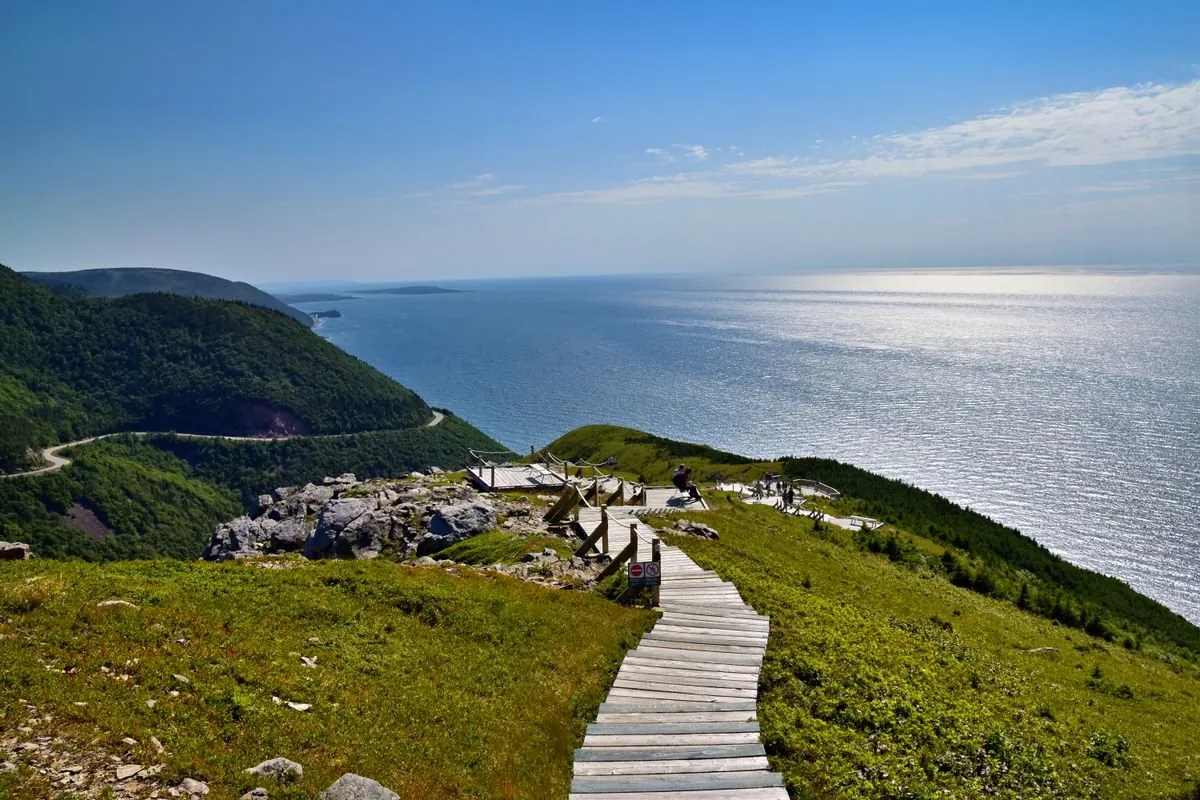
Photo by Taryn Elliott via Pexels
Nova Scotia has one of the best self-guided motorcycle challenges in Atlantic Canada — the official Nova Scotia Four Corners Tour. Unlike the New Brunswick version, this one has an actual governing body, a set of official landmark checkpoints, and a completion certificate you can earn at the end. It's a proper achievement, and more importantly, the route forces you to see parts of the province that most tourists — and even many locals — never visit.
From the top of Cape Breton to the tip of Yarmouth County, from the Annapolis Valley to the Cape Breton Highlands, this tour covers it all. Here's everything you need to know.
What Is the Nova Scotia Four Corners Tour?
The NS Four Corners Tour is an official self-guided motorcycle challenge run by a dedicated group at novascotiafourcorners.ca. The goal is to visit four specific landmark destinations — one at each geographic corner of the province — within a single riding season. You can complete all four in a weekend or take your time over the summer. All motorcycle types are welcome, whether you're on two wheels or three.
Upon completion, you submit proof of your visit to each corner (typically photos) and receive an official Nova Scotia Four Corners Tour completion certificate. It's a real piece of paper worth framing.
The Four Official Corners
North Corner — North Highlands Museum, Cape North
29243 Cabot Trail, Cape North, NS B0C 1G0
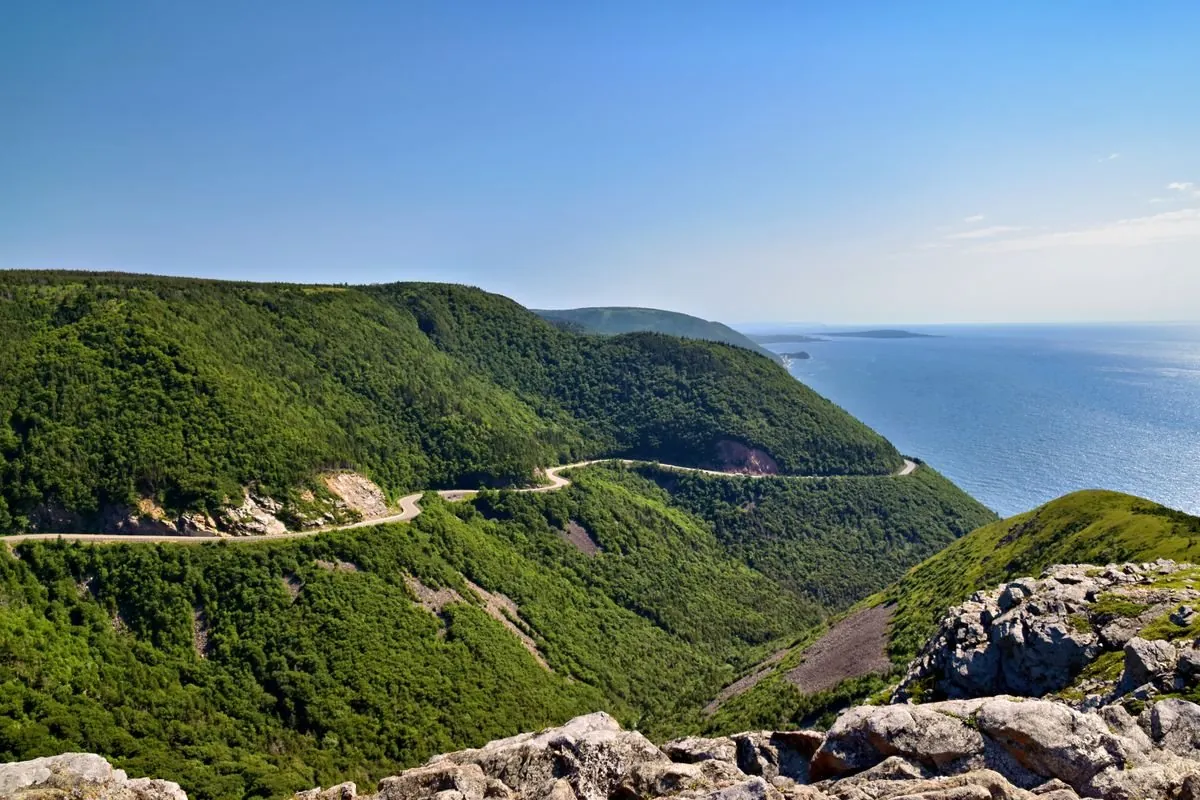
The north corner sits at the very top of Cape Breton Island along the Cabot Trail — one of the most celebrated motorcycle roads in the world. The North Highlands Community Museum in Cape North documents the heritage and history of this remote part of Nova Scotia. There's a blacksmith forge, settler's garden, and a historic church that now functions as a cultural centre with live music. The museum also doubles as a local information centre, so it's worth stopping in before you push further up the trail.
Getting here means riding the Cabot Trail, which needs no selling — 300 km of coastal cliffs, ocean views, and mountain switchbacks. Do it counterclockwise from Baddeck for the best ocean views on the cliff-side legs.
South Corner — United Baptist Church, Clark's Harbour
15 Church St., Clark's Harbour, NS B0W 1P0
The actual southern tip of Nova Scotia is Hawks Beach near Clark's Harbour on Cape Sable Island — the southernmost point in Atlantic Canada. The landmark here is the beautiful old United Baptist Church, built between 1921 and 1927. The interior is stunning — light wood finish, hand-hewn ceiling beams shaped like an inverted ship's hull, and stained glass windows made by local artisans. Even if you're not religious, it's worth stepping inside.
Getting to Cape Sable Island requires crossing a causeway from Barrington. The fishing communities down here are quiet, authentic, and a complete world away from Halifax. Plan for a full day to get here and back from the central part of the province.
East Corner — Fortress of Louisbourg, Cape Breton
7495 Main St, Louisbourg, NS B1C 1H6
This one is the most historically significant stop on the entire tour. The Fortress of Louisbourg is a National Historic Site — a massive reconstruction of the 18th-century French fortified town that once controlled the gateway to Canada. In 1961, the Canadian government invested $25 million to reconstruct roughly a quarter of the original settlement, including buildings, streets, and fortifications as they appeared in the 1740s. Costumed interpreters bring it to life. Budget 2–3 hours here; it's genuinely impressive.
Louisbourg is on the eastern shore of Cape Breton, about 30 km south of Sydney. The ride in on Route 22 from Glace Bay is pleasant. Pair this corner with a Cape Breton leg and you can knock off both the north and east corners in the same trip. For more, see the PEI coastal ride.
West Corner — Brier Island Lodge, Westport
557 Water St, Westport, NS B0V 1A0
The west corner is the most challenging to reach — and that's exactly what makes it memorable. Getting to Brier Island from Digby involves two short ferry crossings: first from East Ferry to Tiverton on Long Island, then from Freeport to Westport on Brier Island. Each crossing takes about 10 minutes and costs a few dollars. The ferries run frequently in season but check the schedule before you go.
Brier Island Lodge sits perched on the cliffs overlooking the Bay of Fundy and the Atlantic Ocean. The surrounding waters are a world-class whale watching destination — fin whales, humpbacks, and minke whales are regularly spotted from the island. There's a restaurant on site — the only licensed sit-down restaurant within 90 minutes — so plan your lunch accordingly. The scenery is wild and windswept. It feels like the edge of the world.
Planning the Route
| Corner | Location | Best Approach |
|---|---|---|
| North | Cape North, Cape Breton | Cabot Trail from Baddeck |
| South | Clark's Harbour, Cape Sable Island | Hwy 103 to Barrington, then causeway |
| East | Louisbourg, Cape Breton | Route 22 from Sydney/Glace Bay |
| West | Brier Island (Westport) | Digby Neck, two ferry crossings |
A common strategy is to tackle the two Cape Breton corners (north and east) in one 2-day loop, then handle the mainland corners (south and west) in a second trip. From Moncton or Amherst, crossing into Nova Scotia gives you easy access to plan a full circuit.
Total distance for the full loop varies wildly depending on your starting point and routing, but expect 1,400–1,800 km for a complete tour from the Nova Scotia border and back.
Tips for the NS Four Corners
Getting Your Certificate
Once you've hit all four corners, head to novascotiafourcorners.ca and follow the submission process. The certificate is a proper printed document — something worth putting on the wall if you're a rider who collects experiences. The community Facebook group (Nova Scotia Four Corners Tour) is also active and worth joining before your trip for route tips, road condition updates, and fellow rider meetups.
Final Thoughts
The Nova Scotia Four Corners Tour is one of the best ways to experience the full breadth of what this province offers. Each corner is completely different from the others — the wild highlands of Cape Breton, the fishing communities of Cape Sable Island, the historic fortress at Louisbourg, and the whale-watching paradise at Brier Island. Together they tell the full story of Nova Scotia. Do it in a weekend if you want to push it, but take four days if you can. The roads deserve more than a blurred memory.
Frequently Asked Questions
What is the Nova Scotia 4 Corners motorcycle ride?
A custom touring challenge hitting the four geographic corners of Nova Scotia: Cabot Trail north, Fortress of Louisbourg east, Brier Island west, and Cape Sable Island south.
How long does the Nova Scotia 4 Corners ride take?
Hitting all four corners of Nova Scotia is a 2–3 day ride covering approximately 1,000–1,200 km. The Cabot Trail alone adds significant distance and time to any Nova Scotia tour.
What is the best starting point for the Nova Scotia 4 Corners ride?
Truro sits fairly centrally and makes a good base. From Truro you're within 2–3 hours of all four corners, allowing efficient day rides to each checkpoint.