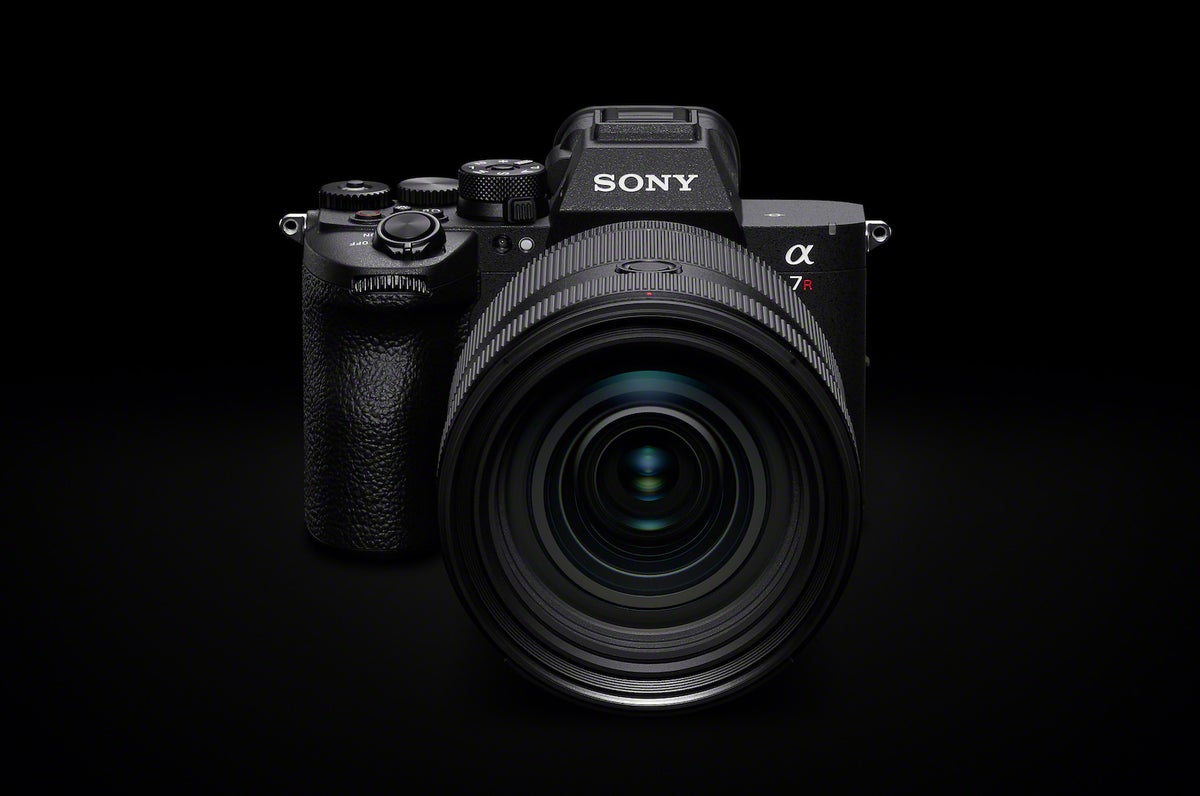
Sony Wants to Buy Tamron: What the Takeover Proposal Means for Your Lenses
Tamron confirmed on July 30, 2026 that it received a non-binding proposal from Sony to become a wholly-owned subsidiary. A special committee is now reviewing the offer. Here's what's confirmed, what's speculation, and what it could mean for photographers on every mount.
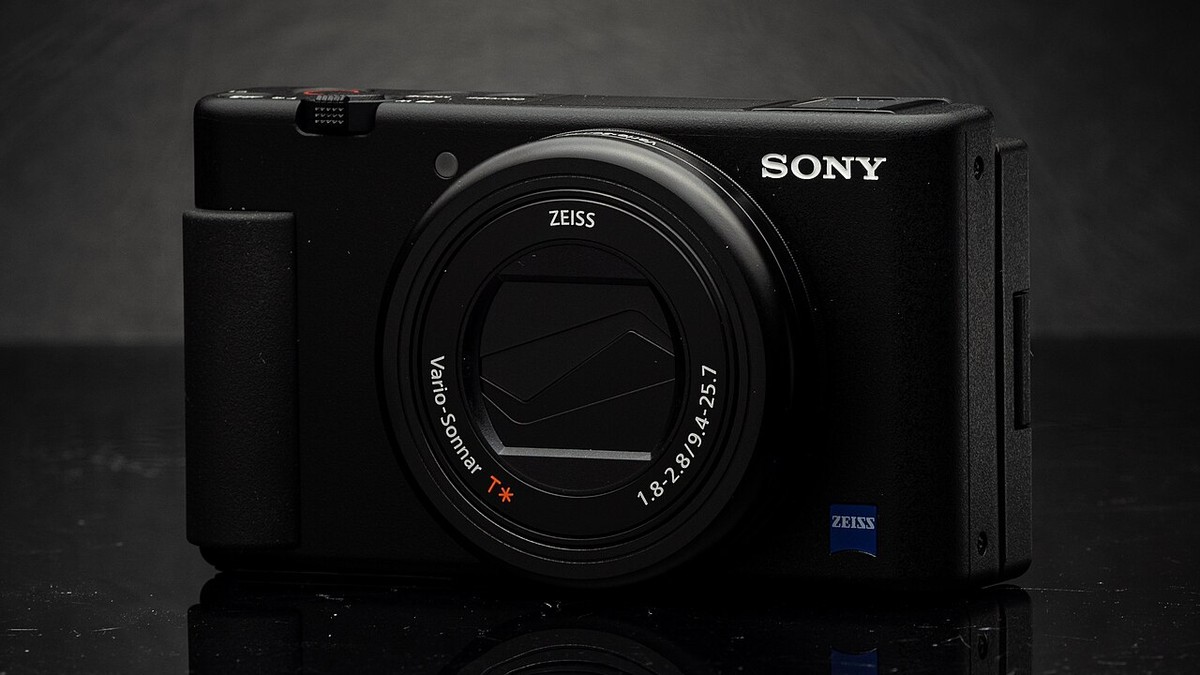
Image: Property of Sony Group Corporation.
One of the biggest camera industry stories of the year is still in progress: Sony is trying to buy Tamron, the Japanese lens maker behind some of the most popular third-party lenses for mirrorless cameras. Tamron confirmed on July 30, 2026 that it received a non-binding proposal from Sony Group to become a wholly-owned subsidiary, and that it has established a special committee to review its options. Nothing is final. But the proposal is serious enough that Tamron's board formed a formal review process, and the story has kept the camera world's attention through the fall.
Table of Contents
What's Actually Confirmed
The verified facts are straightforward, and worth separating from the speculation swirling around them:
- July 30, 2026: Tamron disclosed it received a non-binding proposal from Sony regarding a full subsidiary acquisition.
- Special committee: Tamron established a special committee to review the proposal and its options — the standard process for a deal of this significance in Japan.
- Still open: The proposal is non-binding and under review. There is no agreed deal, no disclosed price, and no confirmed outcome as of late September 2026.
That's it. Everything past those three points — including what happens to Tamron's lens roadmap — is analysis, not announcement.
Why Sony Wants Tamron
Sony already holds an equity relationship with Tamron going back years, but full ownership would be a different matter. Tamron is one of the few companies on earth with genuinely competitive mass-market mirrorless lens engineering: its zoom trio (the 17-28mm, 28-75mm and 70-180mm F/2.8 lenses) undercut first-party prices while holding their own optically, and its all-in-one lenses dominate that category. On top of consumer lenses, Tamron is a major OEM optics supplier — its optical units show up inside other companies' cameras and devices, which is exactly the kind of vertical integration tech companies covet right now as imaging and AI hardware converge.
The Question Photographers Keep Asking
The question every forum thread comes back to: what happens to Tamron lenses for Nikon Z, Canon RF and Fujifilm X mounts if Sony owns the company? Tamron's value to shooters on those systems is precisely that it's a neutral third party. If the acquisition completes, photographers have raised the risk that Sony could eventually steer Tamron's roadmap toward E-mount first, or wind down support for competing mounts over time.
That's a legitimate concern to think about, and an open question — not a plan anyone has announced. What's fair to say: nothing changes for lenses already sold, the acquisition isn't complete, and Japanese acquisition reviews of this scale move slowly. Nobody's 28-75mm turns into a pumpkin.
Should You Actually Worry?
My honest read as someone who watches this industry daily: the more interesting worry isn't mount politics, it's what the deal says about the lens market. Memory costs are squeezing camera makers, smartphones are eating the entry-level camera market, and consolidation is the natural result. Sony buying Tamron would be another step toward a market where fewer and bigger players control more of the optics pipeline — a trend photographers should notice even if this specific deal never closes.
What It Means if You're Buying Lenses
Practical takeaway if you're shopping right now: nothing about the proposal changes Tamron's current lineup. The lenses on sale today are on sale today, with the same warranties, firmware support and mount availability they had before July 30. If you shoot Nikon Z, Canon RF or Fujifilm X and a specific Tamron lens you want has been on your list, the existence of a non-binding proposal is not a reason to panic-buy — but if the deal ever moves to binding with a confirmed strategy, expect the lens market conversation to change fast, and availability on some mounts to be the first thing to watch.