GoPro Sold to Starman Optical: What the $285M Deal and the AI Memory Crisis Mean for Action Camera Buyers
GoPro agreed to merge with optical parts maker Starman Optical on September 1, with shareholders receiving $285 million in cash. Meanwhile Insta360 spent $298.4 million on memory chips in six months just to keep shipping cameras. Here's what's verified, and what it means for your next camera.
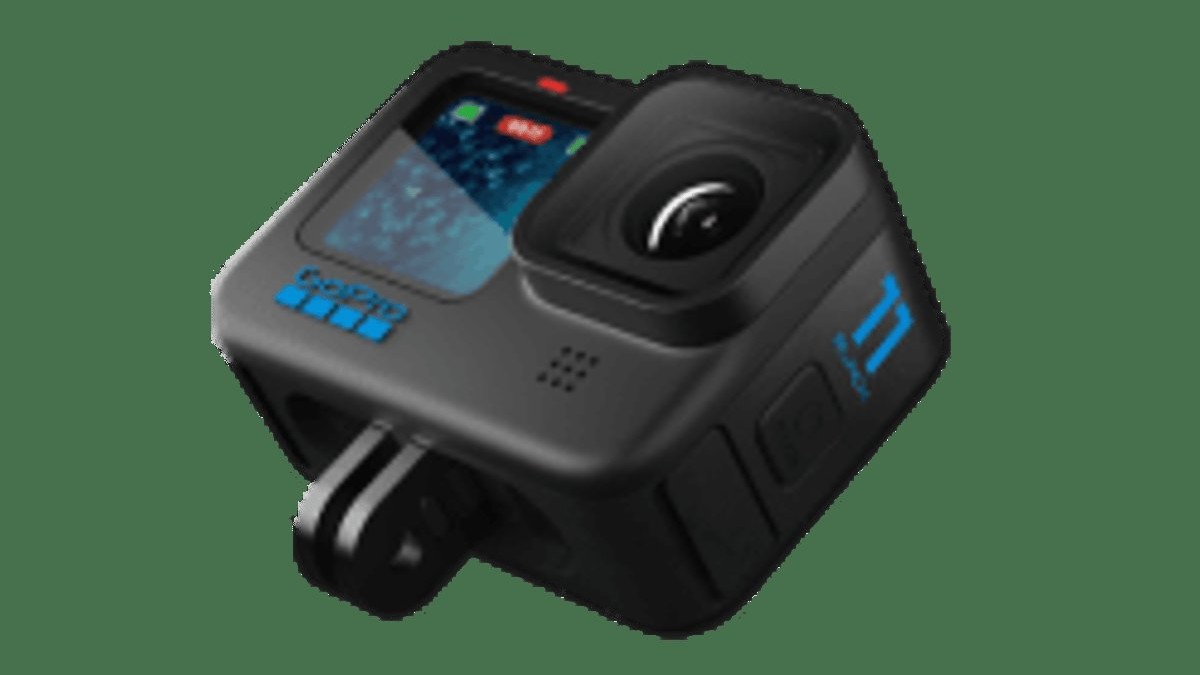
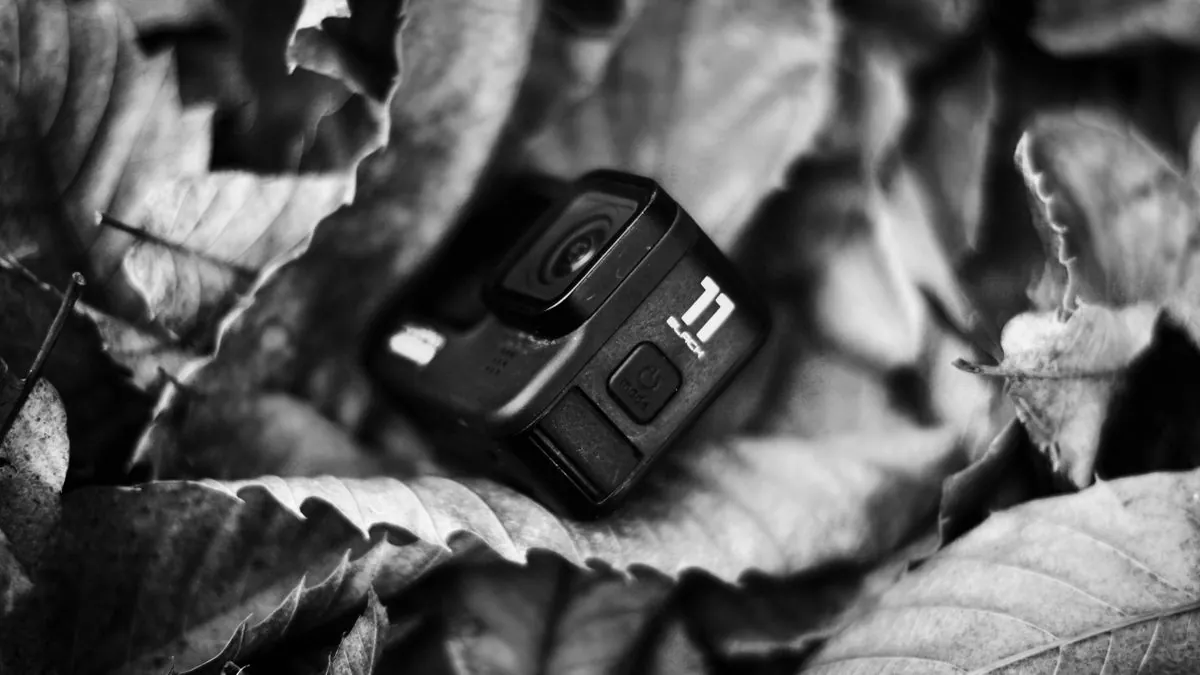
Image: Property of GoPro.
I own both GoPro and Insta360 cameras, and I've watched this story develop from inside the camera bag. On September 1, 2026, GoPro agreed to merge with Starman Optical, a little-known optical parts maker. GoPro shareholders receive $285 million USD in cash at $1.14 a share and keep roughly 10% of the combined company, and Starman is also retiring about $92 million of GoPro debt. The most startling comparison of the year: Insta360's six-month memory chip bill is the same order of magnitude as the price of the entire company that basically invented the action camera.
Table of Contents
The Deal, In Plain Numbers
Here's what's confirmed so far. GoPro agreed to the merger with Starman Optical on September 1, 2026. Shareholders get $1.14 a share in cash, about $285 million total, and keep roughly 10% of the combined business. Starman also retires roughly $92 million of GoPro's debt, so the full consideration is larger than the headline cash number.
GoPro stays listed on Nasdaq, and the deal is expected to close by the end of 2026, subject to regulatory and shareholder approval. Founder Nicholas Woodman has described the combined business as an American imaging and optical company working on national security, and the plan is to reposition toward AI data centre, government, defence and aerospace markets.
Read that repositioning twice: the AI buildout that starved GoPro of affordable memory is the market the company is being pointed at.
What Actually Broke GoPro
This wasn't a sudden collapse — it was a squeeze. GoPro itself cited memory price rises of 80 to 115%, a 26% revenue decline, and expected covenant breaches, and it cut 23% of its staff while looking for a buyer. The root cause is the same one touching every camera maker: AI data centre demand has pulled wafer capacity away from consumer memory, and the price of the storage chips inside every camera went vertical.
Insta360 was hit by the identical shock. The difference is what each company could absorb — which brings us to the numbers that made this story travel.
Insta360's $298M Memory Bill
In the first half of 2026, Insta360 spent nearly 2 billion yuan — about $298.4 million USD — on what it called strategic procurement of memory chips. Co-founder Max Richter has said a similar figure is unavoidable in the coming quarters and that it's unclear when the memory crisis will ease. Insta360's half-year net profit fell 94% while revenue rose 50%, and its research spending rose almost 80% at the same time.
That's the whole story in one paragraph: Insta360 absorbed the shock and stayed profitable, barely. GoPro couldn't absorb it and said it might not survive. The memory crunch isn't really a price story — it's a sorting mechanism, and it sorts by who can fund a year of inflated input costs.
The pressure isn't limited to action cameras, either. Fujifilm is raising camera prices by up to €500, as The Next Web reported — the AI memory crisis has reached traditional photography too.
And DJI Is Frozen Out
The third player in this market has a different problem. DJI was added to the FCC's covered list in December 2025 after a Congress-ordered security audit wasn't completed by the deadline, which means its new products can't get the radio approvals needed for import and sale in the US. Existing authorized models remain on shelves, so the aisle isn't empty — it's frozen, and the freeze compounds with every product cycle DJI can't ship. The FCC has also proposed pulling approvals for some DJI drones already on the market.
Asked about his rival's regulatory problem, Insta360's Richter said the company currently faces no US restrictions, but declined to treat the lockout as a windfall.
What It Means When You Buy
If you own a GoPro: nothing changes today. The deal hasn't closed, GoPro is still operating and still listed on Nasdaq, and no changes to consumer camera support have been announced. Cameras, accessories and the subscription keep working as they did last month.
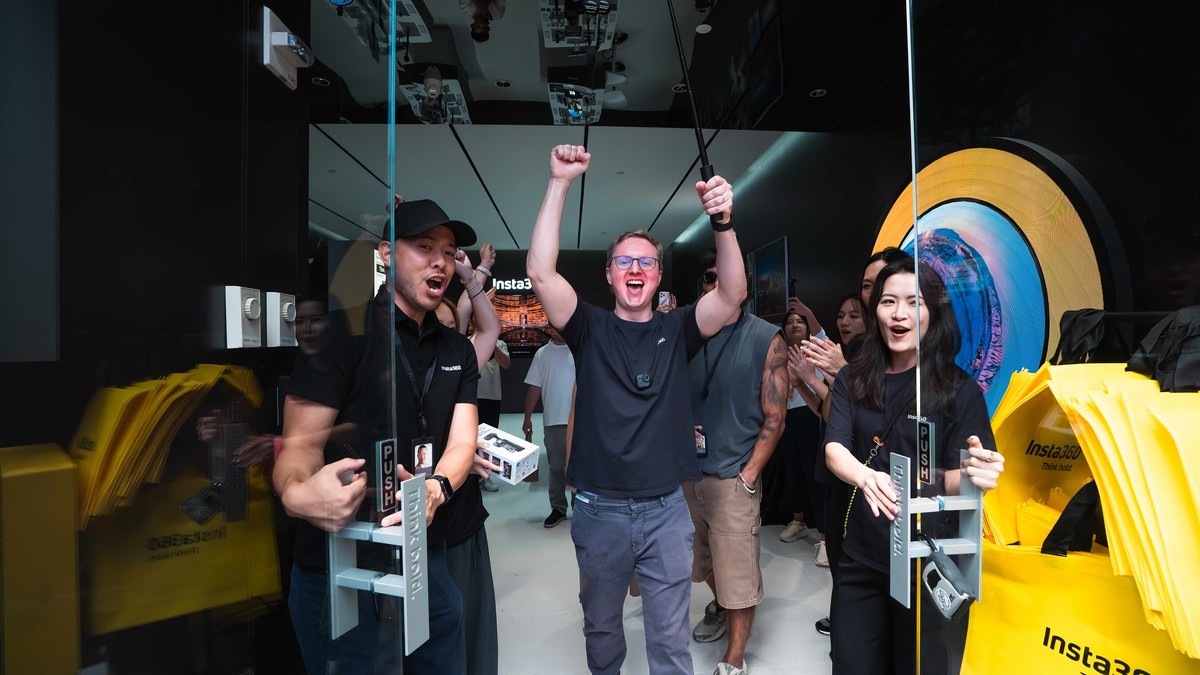
If you're shopping: expect the memory crunch to keep pressure on camera prices across the board through 2027 — that's the one variable every manufacturer has said is out of its control. GoPro's exit from the consumer fight (once closed) and DJI's inability to get new products approved in the US leave Insta360 in an unusually strong position, which is exactly the context for the Times Square flagship it just opened.
If you're wondering what I do: my saddlebag carries both. I use my Insta360 cameras for the riding footage and my GoPro for specific mounting jobs. That mixed setup isn't going to change because of a merger — but I'll be watching the next product cycles more closely than usual, and I'll report what I see here.