Home / Tech Blog / AI Wearables as Smartphone Replacements 2026
Mark Zuckerberg says smart glasses will replace smartphones. Tim Cook says Apple is exploring new wearable categories. Samsung, Google, Meta, and a dozen startups are all building AI-powered wearables — glasses, rings, pins, pendants — that promise to free us from the screen in our pocket.
But when you strip away the marketing, what's actually true? Are AI wearables ready to replace your smartphone in 2026? The honest answer is no — and understanding why tells you where the technology is actually going.
The pitch for AI wearables is seductive: instead of pulling out your phone, you just speak or glance at a device you're already wearing. The AI handles everything — questions, navigation, communication, notes, photos — without a screen between you and the world.
$299-429 USD / ~$400-580 CAD
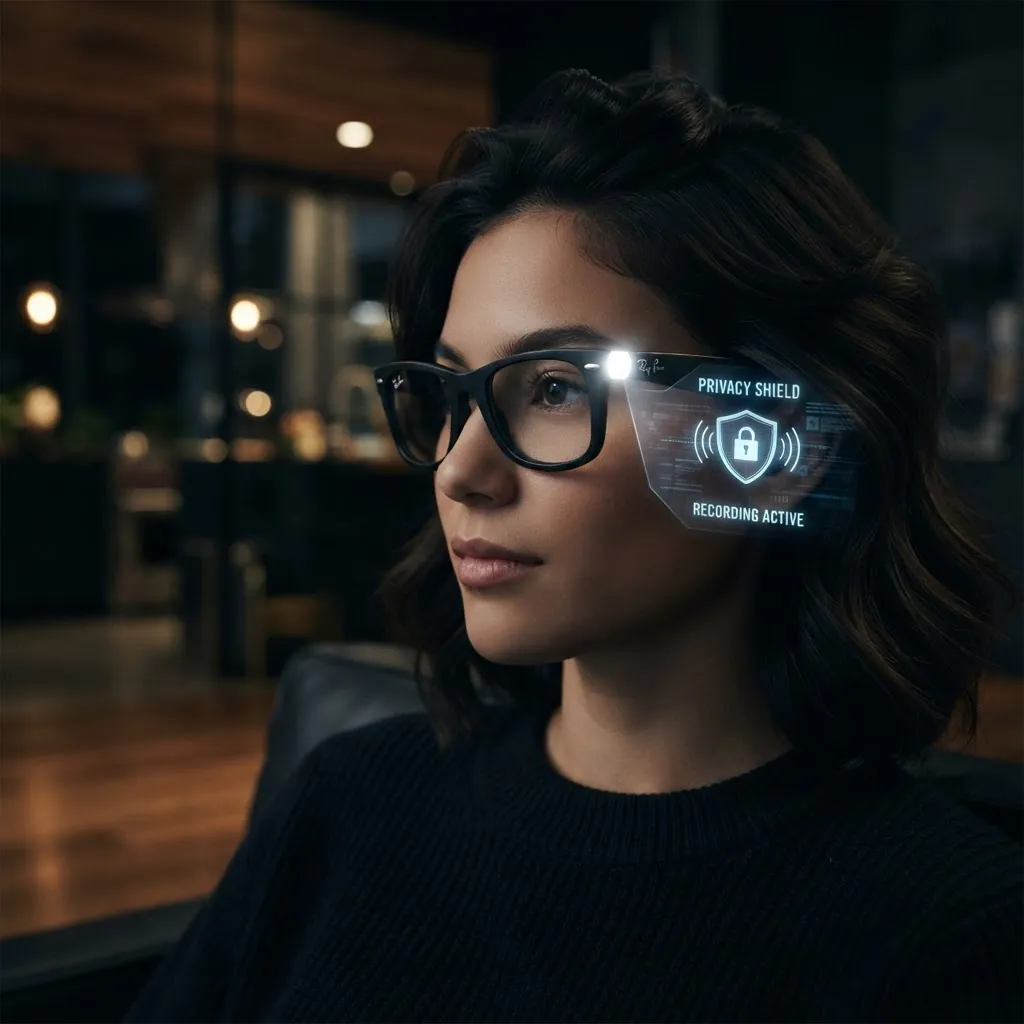
The most successful AI wearable. Camera for photos/video, open-ear audio for music and calls, and Meta AI voice assistant. The glasses are genuinely useful — voice-activated photos, AI queries ("what am I looking at?"), and hands-free calls. But no display. All AI responses come through audio only.
Unconfirmed
Powered by Google XR platform. Expected to include a display overlay — the feature that would truly differentiate glasses from other wearables. If the display works well, this is the closest thing to a "phone replacement" in the pipeline. As of July 2026, no official announcement. Treat as rumor.
$280-550 CAD
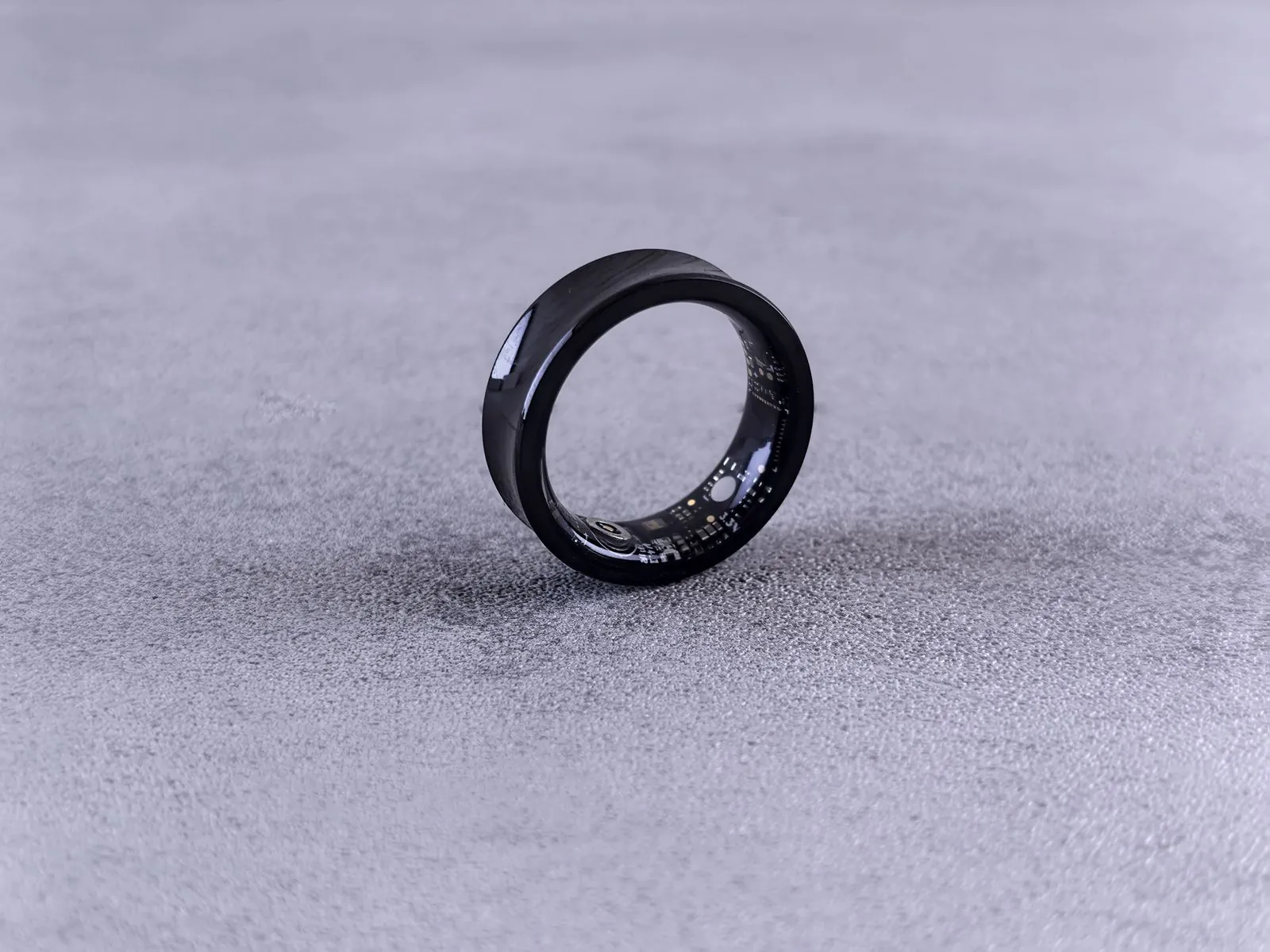
Smart rings are the quietest success story in wearables. No display, no voice assistant, no interaction — they passively track sleep, heart rate, HRV, and activity. The data syncs to your phone where AI generates insights. They're excellent health trackers, but they don't do anything your phone does. They're not trying to.
$159 USD / ~$215 CAD
The Plaud NotePin S does one thing: records audio and uses AI to transcribe and summarize. It's genuinely useful for meetings, interviews, and capturing ideas hands-free. But it's a tool, not a platform. You can't browse the web, send messages, take photos, or navigate with it.
Here's the fundamental problem: a smartphone does dozens of things well. Each AI wearable does one thing well. To replace your phone, a wearable would need to handle:
| Function | Phone | Glasses | Ring | Pin |
|---|---|---|---|---|
| Communication (text, call, email) | Yes | Partial (voice only) | No | No |
| Navigation | Yes | Audio only | No | No |
| Photography | Yes | Yes | No | No |
| Web browsing | Yes | No | No | No |
| Social media | Yes | No | No | No |
| Payments | Yes | No | No | No |
| Apps ecosystem | Yes | No | No | No |
| Health tracking | Partial | No | Yes | No |
| Voice notes/transcription | Partial | Partial | No | Yes |
| Battery life | 1 day | 6+ hours | 5-10 days | 20 hours |
No single wearable covers more than 2-3 of these functions. To replace a phone, you'd need to wear glasses + ring + pin simultaneously, and even then you'd lack web browsing, social media, and apps. The phone isn't one device — it's a Swiss Army knife. Wearables are single tools.
2026-2028: AI wearables remain companion devices. Glasses get better cameras and AI. Rings get better health tracking. Pins find niche professional use cases. No standalone replacement.
2028-2032: Smart glasses with functional displays become mainstream (Apple, Meta, Samsung). Glasses may handle communication, navigation, and photography for some users. But battery life and social acceptance remain barriers. Phones still needed for complex tasks.
2032+: If battery technology improves dramatically (solid-state, new chemistries) and display-in-glass technology matures, glasses could become the primary computing device for many people. But this is speculative — 10+ years out.
The real shift isn't from phone to wearable — it's from screen-and-touch to voice-and-context. Your phone stays in your pocket more, but it's still there. AI wearables are the beginning of that transition, not the end of the phone.
Affiliate Disclosure: As an Amazon Associate I earn from qualifying purchases. If you buy through these links, I may earn a small commission at no extra cost to you.