How Cold Is Too Cold to Ride a Motorcycle? The Honest Guide
How cold is too cold to ride a motorcycle? The practical line for late-season riding, wind chill, cold-weather gear that works, and knowing when to stop.
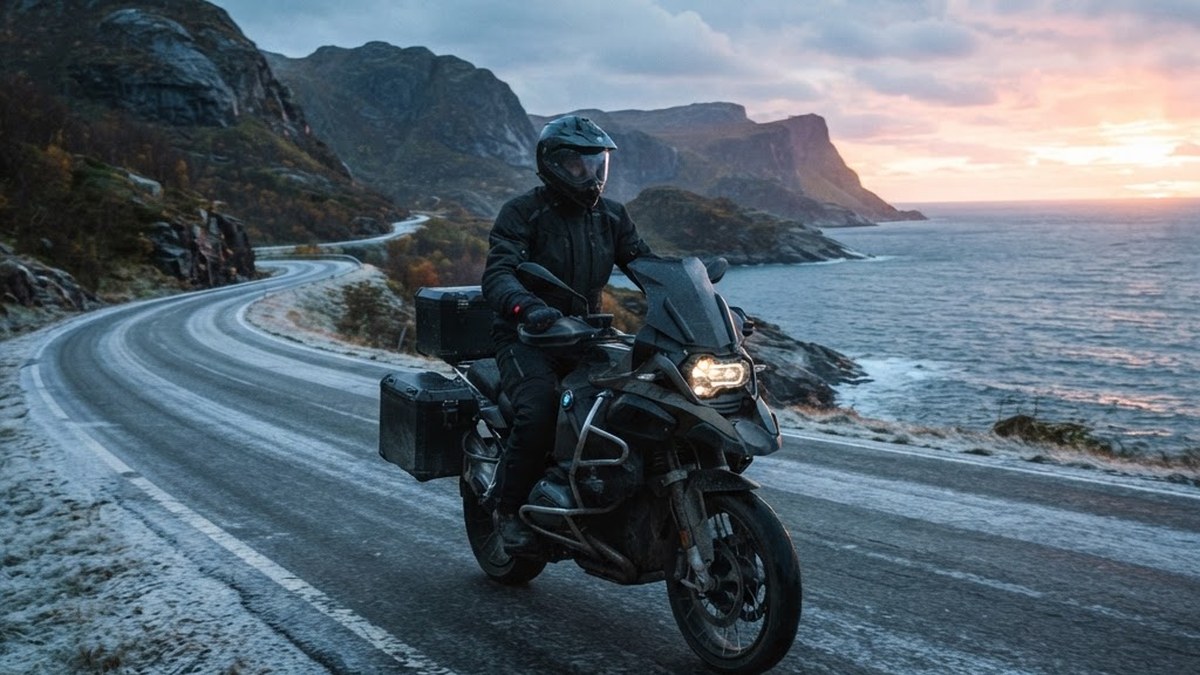
Image: AI-generated illustration for editorial context
In this article
The short answer
There is no single number where riding becomes unsafe, but for most street riders the honest line sits near freezing: once the air temperature approaches 0 C (32 F), frost on shaded corners, bridge decks and morning asphalt stops being a risk you can see coming and becomes one you have to assume. Above roughly 5 C (41 F) with the right gear, cold-weather riding is a skill. Below it, every decision carries ice. Here is how I frame the season from Atlantic Canada, where October mornings already test both the rider and the battery.
Why wind chill changes everything
Air temperature is not what your body feels at highway speed. Riding at 100 km/h (62 mph) in 5 C air strips heat from exposed skin dramatically faster than standing still, and the effect compounds over an hour: reaction time slows, hands fumble levers, and judgment erodes before you notice it. The two failure points are always hands and core. Heated grips help the palms but not the backs of your hands; heated gloves or good layered gloves do. A windproof outer layer over a thermal mid-layer matters more than thickness, because it is moving air that steals heat.
Gear that extends the season
The late-season kit that actually works: a windproof shell and thermal base layers, heated grips at minimum and ideally heated gloves, a balaclava under a full-face helmet, and waterproof boots with wool socks. Tire pressure drops in the cold, so check it weekly, and remember that sport and touring tires need a few kilometres of gentle riding before they give full grip in cold conditions. On the Indian, the fairing and heated grips make sub-10 C (50 F) mornings genuinely comfortable; on a naked bike the same temperature is a different sport.
The other riders on the road
Cold-weather riding is not only about your body. Salt appears on Maritime roads after the first frost and attacks alloy and chains fast, and sand left from early ice treatments sits in corners long after it was spread. Deer are moving hard in late October, morning fog hugs river valleys, and daylight shrinks toward 5:30 PM rides home in the dark. Each one is manageable alone; stacked together they are how late-season rides go wrong.
Knowing when to stop
The riders who rack up decades of mileage are the ones who choose the stop. If your hands stop working before your destination, if the forecast shows wet roads near freezing, or if you are white-knuckling a corner you would normally coast through, that is the season telling you it is done. Winterizing the bike properly, battery tender, full tank, washed salt, good cover, takes one afternoon and means spring starts with a ready bike instead of a project. Ride late into the fall, just ride it deliberately.
A late-season pre-ride checklist
Before any cold-weather ride, five minutes of checks beats a week of repairs. Measure tire pressures cold, because they drop as temperatures fall, and top up to the spec on the swingarm sticker. Confirm the battery is strong, since cold cranking exposes a marginal battery that worked fine all summer. Read the route for shaded corners, bridge decks and valley fog, the three places frost forms first, and time the ride so the last hour is not spent in darkness and dropping temperatures. Pack one more layer than the forecast suggests, tell someone your route, and set a hard turnaround time before you leave. Riders who enjoy November riding treat it as a planned event, not an impulse, and their bikes look forward to spring instead of needing a rescue.
The salt problem nobody mentions
Ask any rider who stores a bike near a coastal highway what kills late-season motorcycles, and the answer is not cold, it is corrosion. Road salt appears after the first frost in Atlantic Canada and coats every ride afterward, and it does not need a crash to do damage: it wicks into chain rollers, welds itself to alloy spoke nipples, and creeps into electrical connectors you will not inspect until spring. If you ride after salting begins, a warm-water rinse of the bike the same day is not optional care, it is the difference between a spring service and a spring project. For many riders, the salt calendar, not the temperature, is what actually ends their season.
Frequently Asked Questions
What temperature is too cold to ride a motorcycle?
There is no exact cutoff, but below about 5 C (41 F) cold effects on the rider become significant, and near 0 C (32 F) frost and ice on road surfaces become the dominant risk. Most riders draw their season line between those two points based on gear and route.
Does wind chill matter on a motorcycle?
Yes. At highway speed, moving air pulls heat from exposed skin far faster than the thermometer suggests, chilling hands and core, slowing reaction times and eroding judgment over an hour of riding.
What gear do I need for cold-weather motorcycle riding?
A windproof outer layer over thermal base layers, heated grips at minimum and preferably heated gloves, a balaclava under a full-face helmet, and waterproof boots with wool socks cover the critical heat-loss points.