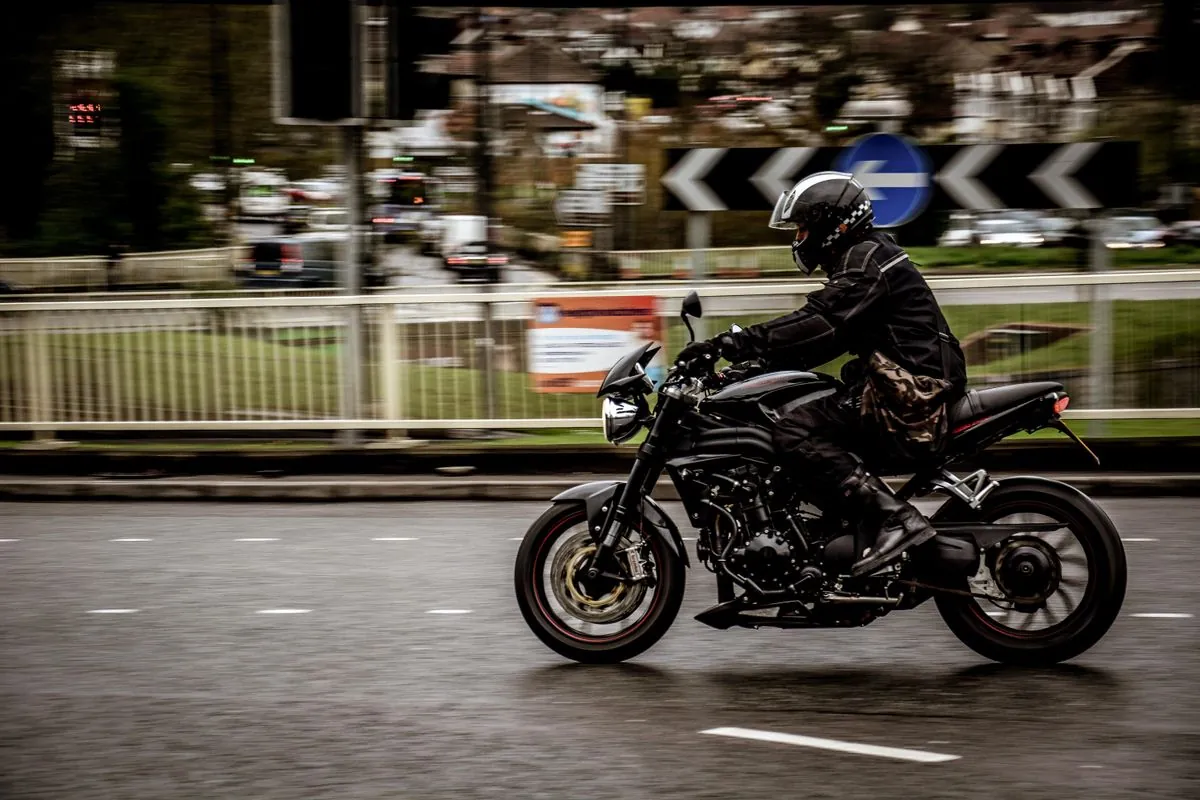
Multi-Vehicle Touring: Adventure Off Two Wheels
Most touring guides treat the motorcycle as your only vehicle. But here in Atlantic Canada, where weather changes fast and some of the best exploration routes aren't paved, I've learned that mixing vehicles makes sense. Adding a Jeep to the adventure lineup changes everything — and it's a touring strategy I'm actively building toward.
Why Motorcycles Aren't Always the Answer
The Indian Pursuit is perfect for the Cabot Trail or a day blast down Highway 19. But if you're planning a week-long touring expedition where you need to camp, bring serious gear, or explore backcountry forest roads, the motorcycle has limits:
- Storage capacity is real. A motorcycle can carry maybe 50-60L of gear max.
- Weather changes fast in Newfoundland. You can't make a three-day trip work on two wheels if a storm rolls in.
- Rough forest roads and gravel aren't ideal for a 300+ lb cruiser.
- You can't bring passengers safely on long rides with luggage.
This doesn't mean the motorcycle loses its place. It means the Jeep and motorcycle fill different roles in your adventure strategy.
The Jeep/Motorcycle Touring Philosophy
Think of the Jeep as your basecamp. It carries all your gear, handles rough roads, provides shelter if weather turns bad, and lets you explore with passengers. The motorcycle becomes your exploration vehicle for day rides from that basecamp.
Table of Contents
- Day 1: Drive the Jeep to a remote camping location in Gros Morne National Park.
- Days 2-4: Take the motorcycle on day rides from basecamp — the Tablelands, Bonne Bay, local roads.
- Day 5: Drive the Jeep to the next region, repeat.
You get the freedom of two wheels AND the security of a full basecamp. Weather doesn't dictate your trip — it just changes your daily vehicle choice.
What Changes On Your Motorcycle When You Have Backup
With a Jeep as backup, your motorcycle riding strategy shifts:
1. You Take More Risk
Gravel roads that would make you nervous on a solo 500 km tour? They're fine now. The Jeep can handle rough terrain, so you can explore roads you'd normally skip.
2. You Ride Longer Days
No mechanical issues? No problem. The Jeep is parked at camp with spare parts, tools, and a full toolkit. You can push a 250+ km day on the bike knowing help is minutes away if anything goes wrong.
3. Your Gear Philosophy Changes
Instead of minimalist packing for the motorcycle, you can bring better camping gear, more camera equipment, and proper tools. The Jeep carries it.
Logistics: Managing Two Vehicles
Multi-vehicle touring requires planning:
Fuel Strategy
- The Indian Pursuit does 340–380 km per tank (6.0–6.7 L/100km real-world).
- The 2014 Grand Cherokee Limited manages 700+ km per tank depending on driving — the big tank is a serious advantage on long touring days.
- Plan fuel stops in your route to avoid running dry.
Parking & Logistics
- Not every campground has secure parking for both. Scout ahead.
- Larger campsites work better for two-vehicle teams.
- In busy seasons, reserve spots that accommodate vehicles of different sizes.
Transporting the Bike
The Indian Pursuit gives you a few options depending on budget and how much gear you want to bring. Riding it to the destination is the simplest — just fuel up and go. If you want to haul it, an open trailer is the budget-friendly option, an enclosed trailer protects the bike and doubles as secure storage, and a toy hauler gives you the ultimate setup: living space and bike transport in one unit. For smaller bikes under 600 lbs — like an electric dirt bike or lightweight dual-sport — a hitch-mounted carrier works well as a simpler alternative to a trailer.
Regional Considerations for Atlantic Canada
Atlantic Canada's unique geography makes dual-vehicle touring especially practical:
- Newfoundland: Long ferries + rough backcountry roads. The Jeep is essential for Gros Morne exploration.
- Nova Scotia (Cabot Trail): Stick with the motorcycle. The roads are excellent and the Jeep slows you down.
- PEI coastal routes: Bike-friendly roads, but Jeep basecamp camping works well for multi-day trips.
- New Brunswick backcountry: Logging roads and rough terrain. Jeep required; motorcycle for daily rides.
Is Multi-Vehicle Touring Right For You?
It depends on your touring style:
| Touring Style | Best Approach |
|---|---|
| Solo day rides on paved roads | Motorcycle only |
| Multi-day remote trips, camping | Jeep + motorcycle combo |
| Casual weekend touring | Motorcycle only |
| Serious backcountry exploration | Jeep as primary, motorcycle for fun |
| Passengers + long distance | Jeep primary, motorcycle for crew |
Final Thought
Two vehicles means twice the planning but a completely different level of flexibility. The Jeep doesn't replace the riding experience — it expands what's possible on a longer trip. Atlantic Canada has the terrain and the distances to make this combination genuinely worthwhile.
🎥 Cameras used on this ride: Insta360 X5 for 360° footage and Insta360 Ace Pro 2 for helmet POV — both on Amazon.ca.
Frequently Asked Questions
What is multi-vehicle motorcycle touring?
Multi-vehicle touring combines a motorcycle with a support vehicle — typically a truck or SUV — for longer trips. The vehicle carries gear, allows passengers who don't ride, and provides a fallback if weather turns severe.
Is it worth bringing a truck on a motorcycle trip?
For longer tours, yes. A support vehicle dramatically expands what you can bring, provides shelter from bad weather, and means non-riding partners can join the adventure. Greg tours with his 2024 Indian Pursuit and 2014 Jeep Grand Cherokee.
How do you coordinate motorcycle and vehicle on a group tour?
Set meeting points rather than trying to stay together — motorcycles and vehicles naturally travel at different paces. Share a simple schedule with waypoints and designated fuel/food stops.