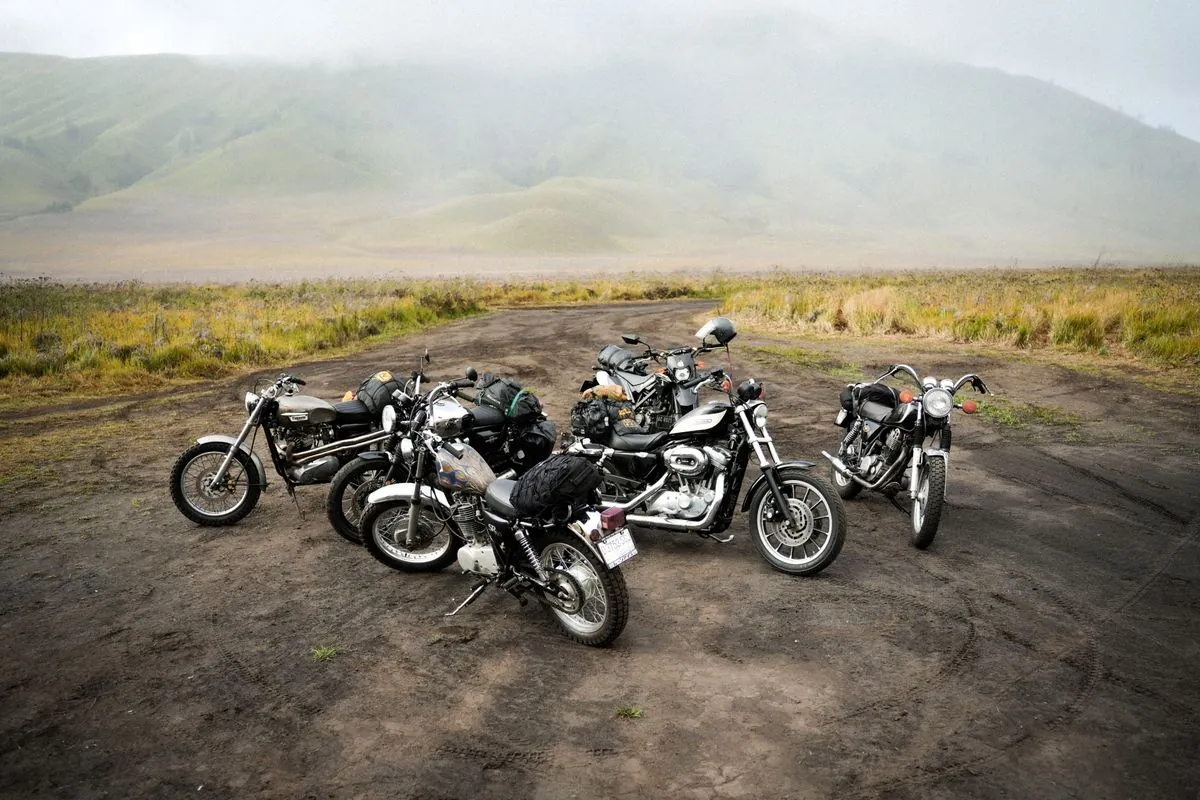
Nobody talks about the bad rides. Everyone posts the perfect sunset photo and the empty road shot. But the tours that go sideways — the ones where you end up soaking wet in a ditch town at 9pm with nothing open — those are the ones that teach you something.
Here are 10 mistakes that have actually cost me time, money, comfort, or enjoyment. Learn them before they happen to you.
Table of Contents
- Overpacking — and not knowing it until day two
- Ignoring the weather forecast until it's too late
- Wrong tires for the roads you're actually riding
- Planning the route but not the fuel stops
- Pushing through fatigue because "it's only another hour"
- Booking non-refundable accommodation too far in advance
- No rain gear accessible on the bike
- Riding at dawn or dusk in moose country
- No roadside assistance and no emergency plan
- Trying to cover too much distance, too fast
- Frequently Asked Questions
Overpacking — and not knowing it until day two
Every new tourer does this. You lay everything out, think "I might need that," and pack it. By the time you're 200 km into day one, the bike handles differently, your back is paying for the extra weight, and you realize you haven't touched half of what you brought.
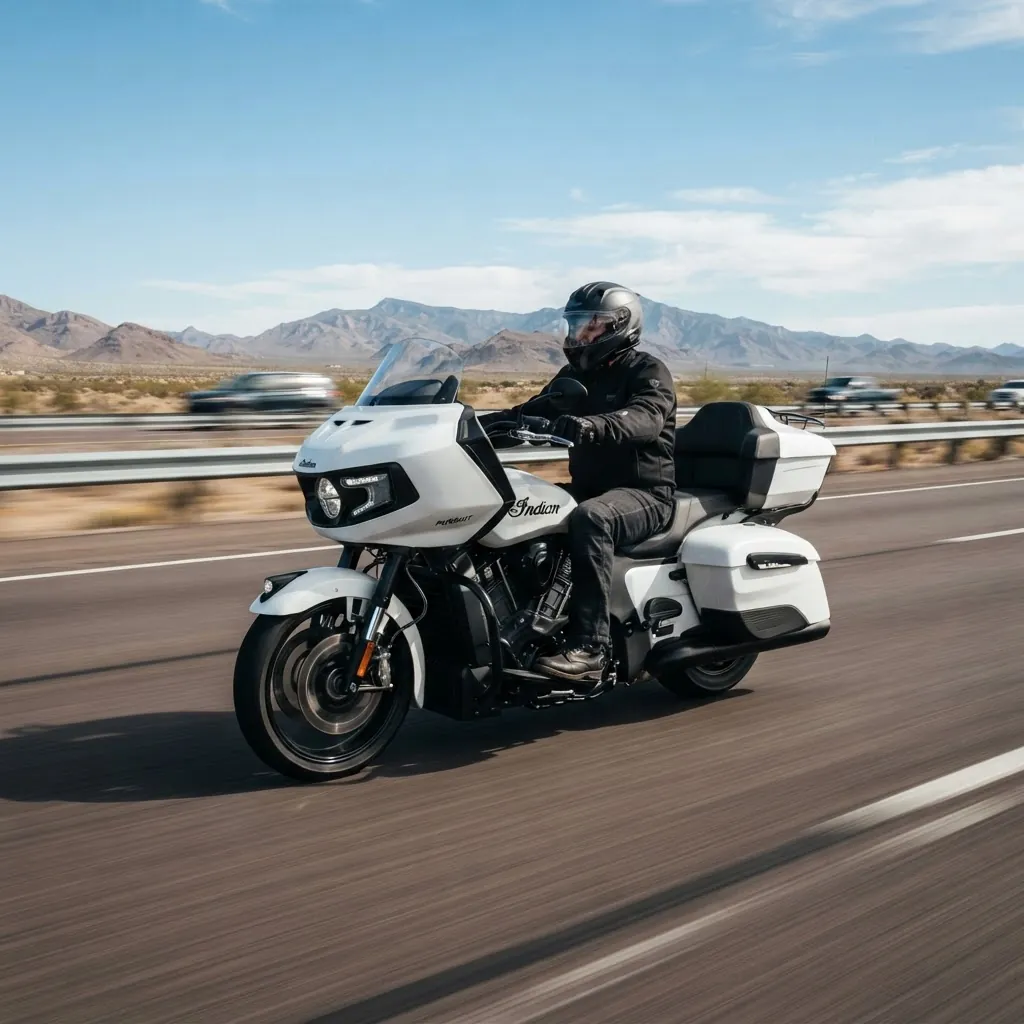
On a touring bike like the Pursuit, you have storage — which makes overpacking even easier. Just because you have the space doesn't mean you should fill it.
Lay everything out. Then remove 30% of it. You'll still have too much, but at least you'll be closer. If you haven't used something in two days, it's ballast.
Ignoring the weather forecast until it's too late
Atlantic Canada weather is genuinely unpredictable. A clear morning forecast means nothing by 2pm. I've been caught in full sideways rain on the Cabot Trail because I checked the forecast at 7am and assumed it would hold. It did not hold.
Check the forecast for every segment of the day, not just the morning. Pack your rain gear where you can reach it in under two minutes — not buried in a bag you have to unload the whole bike to access.
Wrong tires for the roads you're actually riding
Sport tires on a touring bike through rural New Brunswick roads — which can have frost heaves, patched tarmac, and gravel shoulders — is a bad combination. And touring tires that are 80% worn going into a 1,500 km trip is an even worse one.
Check your tires before any long trip. Check the tread, check the age (tires over 5 years old get sketchy regardless of tread), and make sure you're running the right compound for your riding style.
Planning the route but not the fuel stops
I've planned a fantastic 450 km route through northern New Brunswick and completely ignored the fact that gas stations are 90 km apart in some sections. Coastal and rural Atlantic Canada is not the prairies — services can disappear for a long stretch, and riding into reserve on a back road with no cell signal is a very specific kind of stress you don't want.
Plan your fuel stops before you plan anything else. GasBuddy and Google Maps satellite view of small towns are your friends. If there's a 100+ km gap with no town, fuel before it even if you don't need to yet.
Pushing through fatigue because "it's only another hour"
It's never only another hour. Fatigue on a motorcycle is not like fatigue in a car. Your reaction time drops, your lane position gets sloppy, and you stop reading the road properly. The hour you push through to save time can cost you everything.
Stop every 90–120 minutes regardless of how you feel. If you're yawning, stop now — not at the next town. There is no destination worth arriving at badly.
Booking non-refundable accommodation too far in advance
You book three nights ahead because the deals are better. Then the weather turns, your bike needs attention, or you simply want to stay somewhere longer. Now you're either riding in conditions you shouldn't, or you're eating a $150 cancellation fee.
Book same-day or one night ahead whenever possible on a flexible tour. The slight premium is worth the freedom. Keep a list of backup options in each area just in case.
No rain gear accessible on the bike
Related to mistake two, but its own category because the solution is different. It's not just about having rain gear — it's about where it is. Rain gear buried in the tail bag, under a tank bag, behind bungee cords, is rain gear you won't put on in time. You'll tell yourself you'll pull over in a minute. You won't.
Rain gear lives in the top of one saddlebag, always. Accessible without unpacking anything else. Two-minute drill: you should be able to pull over and be fully waterproofed in under two minutes.
Riding at dawn or dusk in moose country
This is the Atlantic Canada specific one that can get you killed. Moose are not small. A 500 kg moose at highway speed is not a survivable collision. They're most active at dawn and dusk, they don't reflect headlights well, and they stand in the middle of the road with no concern for your schedule.
In northern New Brunswick and anywhere in Newfoundland — ride between 9am and 5pm. Adjust your schedule around this, not around your preferred start time. Non-negotiable.
No roadside assistance and no emergency plan
Most riders carry a tire plug kit and think they're covered. A plug kit handles a nail in a rear tire on a good day. It doesn't handle a blowout, a seized engine, a broken chain, or any of the other things that can strand you 80 km from the nearest town. Having no plan when that happens turns a bad day into a very expensive and stressful one.
CAA Motorcycle membership runs about $100/year. It's worth every dollar the one time you need it. Know the number before you leave home, not while you're standing on the side of Route 11 at 7pm.
Trying to cover too much distance, too fast
The biggest mistake, and the hardest one to convince people of before they've made it themselves. You plan 600 km days because the map makes it look achievable. What the map doesn't show is the ferry wait, the road construction delay, the fishing village you stopped in for 45 minutes because it was perfect, the rain that slowed you to 80 km/h for two hours. By 7pm you're exhausted, 200 km short of your destination, and resenting the trip.
Plan 350–450 km days max. Leave room in the schedule for the unexpected good stuff — because Atlantic Canada will provide it. The best moments of any tour are the unplanned ones. You can't have them if you're always behind schedule.
The common thread through all ten of these is the same thing: overconfidence in the plan and underestimation of the variables. The riders who have the best tours aren't the ones with the best bikes or the biggest budgets — they're the ones who leave room for things to go sideways and know what to do when they do.
Ride smart. The good roads will still be there when you get to them.
Frequently Asked Questions
What are the most common motorcycle touring mistakes?
Overpacking, not checking weather forecasts, riding too many km in one day, skipping rest breaks, not having a tire repair kit, and underestimating how long scenic stops add to your schedule.
How many km should you ride per day on a motorcycle tour?
400–500 km per day is a comfortable touring pace for most riders. Pushing beyond 600–700 km starts to create fatigue that affects safety. Build in rest days on longer tours.
What should you always carry on a motorcycle tour in Canada?
Waterproof gear, tire repair kit (plugs + inflator), basic tools, first aid kit, water, snacks, and a backup power bank for your phone. In remote areas like Newfoundland, a satellite communicator is worth considering.
10 Motorcycle Touring Mistakes That Ruined My Trips
💬 Comments
Leave a Comment
Buy on Amazon
Affiliate Disclosure: As an Amazon Associate I earn from qualifying purchases. If you buy through these links, I may earn a small commission at no extra cost to you.