LiveWire S4 Honcho Street Joins MSF Rider Training: What It Means for New Riders
LiveWire announced on October 2, 2026 that its electric S4 Honcho Street meets the Motorcycle Safety Foundation's criteria for rider training programs. It is a genuinely interesting shift for rider education. Here is what the announcement actually says, what it means for someone learning to ride, and what it does not confirm — especially for Canadian students.
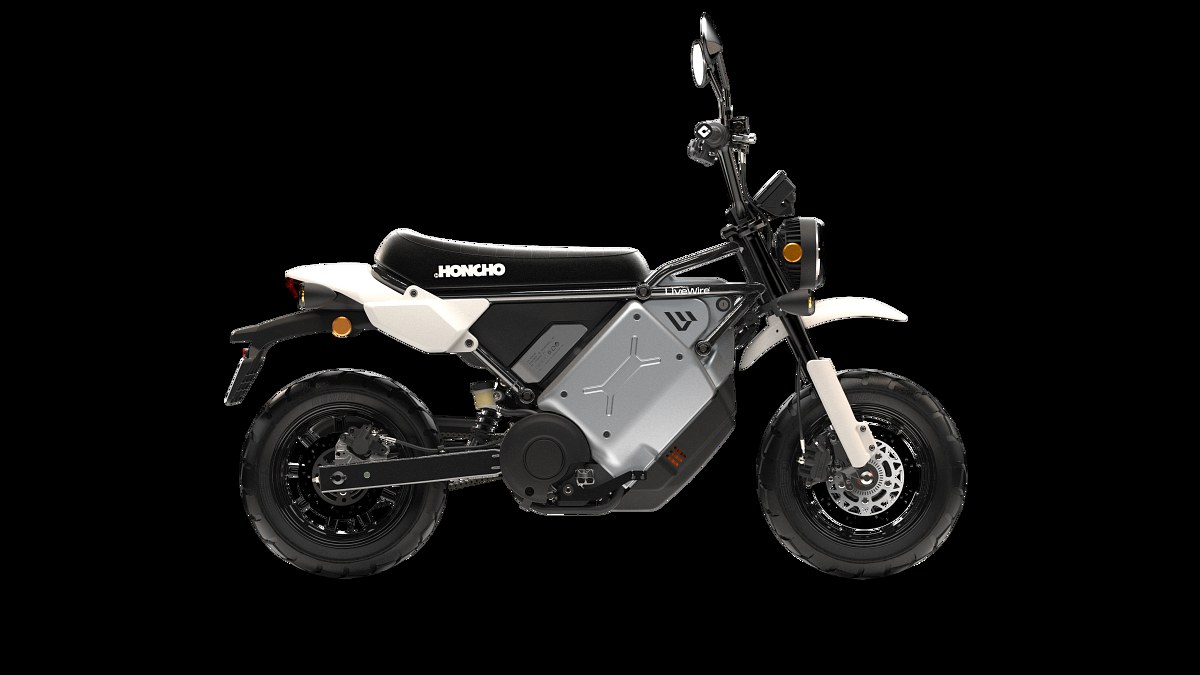
Image: Property of LiveWire
In this article
What LiveWire announced
LiveWire (NYSE: LVWR) — the electric motorcycle company whose majority stockholder is Harley-Davidson — announced on October 2, 2026 that the S4 Honcho Street meets the Motorcycle Safety Foundation (MSF) criteria for use in rider training programs. The company says the bike will join the training lineup and appear in the MSF RiderCoach Tour demo fleet, where riding coaches can try it in MSF exercises.
This is an announcement about qualification, not a fleet swap. The MSF sets the training standard used by thousands of US training providers; LiveWire's bike now meets its published criteria for power output, weight, and seat height. Each training provider still chooses its own bikes.
Why an electric bike suits training
Anyone who has watched new riders wrestle a clutch through their first slow-speed exercises understands the appeal. A conventional first lesson stacks throttle control, clutch friction zone, shifting, balance, and braking all at once. An electric powertrain removes the clutch and the shifting, so the student's attention goes to the parts that actually keep you upright: head and eyes, low-speed balance, smooth braking.
I have written before about how much of riding competence lives at parking-lot speeds. On my own riding courses, friction-zone control is the single skill that separates riders who relax from riders who fight the bike. A training motorcycle that caps its speed profiles the way the Honcho does — tuned to behave like first and second gear — mirrors exactly how those early lessons are structured.
The Honcho also has an automatic feel that a generation arriving from e-bikes and scooters will recognize. LiveWire's own framing is that electric motorcycles are a natural bridge into motorcycling, and for once the marketing claim and the training reality point the same direction.
The specs that matter
These figures are from LiveWire's official announcement:
- Curb weight: 266 lb (about 121 kg) — light for a motorcycle, which matters in low-speed drills where students are constantly putting a foot down.
- Seat height: under 30 inches (about 76 cm) — accessible to a wide range of rider sizes and inseams.
- Speed profiles: capped at 18 mph (29 km/h) and 28 mph (45 km/h), matching the pace of first- and second-gear learning exercises.
- Range: up to 73 miles (about 117 km) at 20 mph (32 km/h), with swappable batteries to cover full-day training sessions.
- Fleet support: simple charging, a vehicle protection kit, and fleet management for training operators.
That is a sensible package for a training environment: light, low, slow by design, and quick to recharge between classes. The swappable battery detail is the one most people miss — it is what makes an electric training fleet practical, because a dead bike mid-course no longer ends the lesson.
What the announcement does not confirm
Reading a press release honestly means noticing what it does not say. LiveWire has not announced that any specific training provider has ordered Honchos, only that the bike qualifies and joins the RiderCoach Tour demo fleet. There is no claim that MSF courses are switching to electric bikes generally, and no pricing for training-fleet purchases was included in the announcement.
It is also worth remembering who is speaking. LiveWire's Head of Commercial, Jon Bekefy, framed the bike as removing "traditional barriers to entry," and the MSF's Corey Eastman said coaches will get to "experience an electric motorcycle in several MSF exercises." Both quotes describe a trial and an option — not a replacement for the small gas bikes most new riders will still learn on this year.
What Canadian riders should know
The MSF is a US organization. In Canada, rider training is run provincially — in my home province of New Brunswick, it is delivered through the NB Community College-style safety course framework, and other provinces run their own programs. No Canadian training provider has announced an electric training fleet on the back of this news, and the announcement says nothing about Canadian availability.
So if you are a Canadian reading this: nothing changes for your course today. The interesting part is the direction. If electric training bikes prove out in US courses, the model is portable — a light, low, capped-speed electric motorcycle is just as useful in a Moncton parking lot as in a Milwaukee one. That is a matter of when, not whether, and nothing in today's announcement puts a date on it.
The bottom line
An electric motorcycle being qualified for rider training is a small announcement with a long shadow. Learning to ride is the biggest filter on who stays in motorcycling, and the hardest part of learning is the clutch-and-balance load at five kilometres an hour. Removing half of that load gives new riders a gentler first day — and a bigger, more confident rider community down the road.
For now, if you are signing up for a course, expect a small gas bike. But the next few years of rider training are going to look different than the last forty, and the Honcho in the MSF demo fleet is one of the clearest signals yet.
Frequently asked questions
Is the LiveWire S4 Honcho Street used in MSF courses now?
Not as a fleet bike. It meets MSF criteria and joins the RiderCoach Tour demo fleet, so coaches can evaluate it. Individual training providers decide whether to buy it.
How heavy is the S4 Honcho Street?
LiveWire lists a 266 lb (about 121 kg) curb weight with a seat height under 30 inches (about 76 cm).
Will Canadian training courses use it?
No Canadian provider has announced it, and the MSF announcement is US-based. Canadian rider training is organized provincially and nothing in the announcement covers Canada.