How to Handle a Heavy Touring Motorcycle at Low Speed
At highway speed, a 380 kg touring bike is stable, predictable, and easy. At walking speed, the same bike wants to fall over. The difference between a confident touring rider and a nervous one is almost entirely in low-speed handling. Here is how to master it.
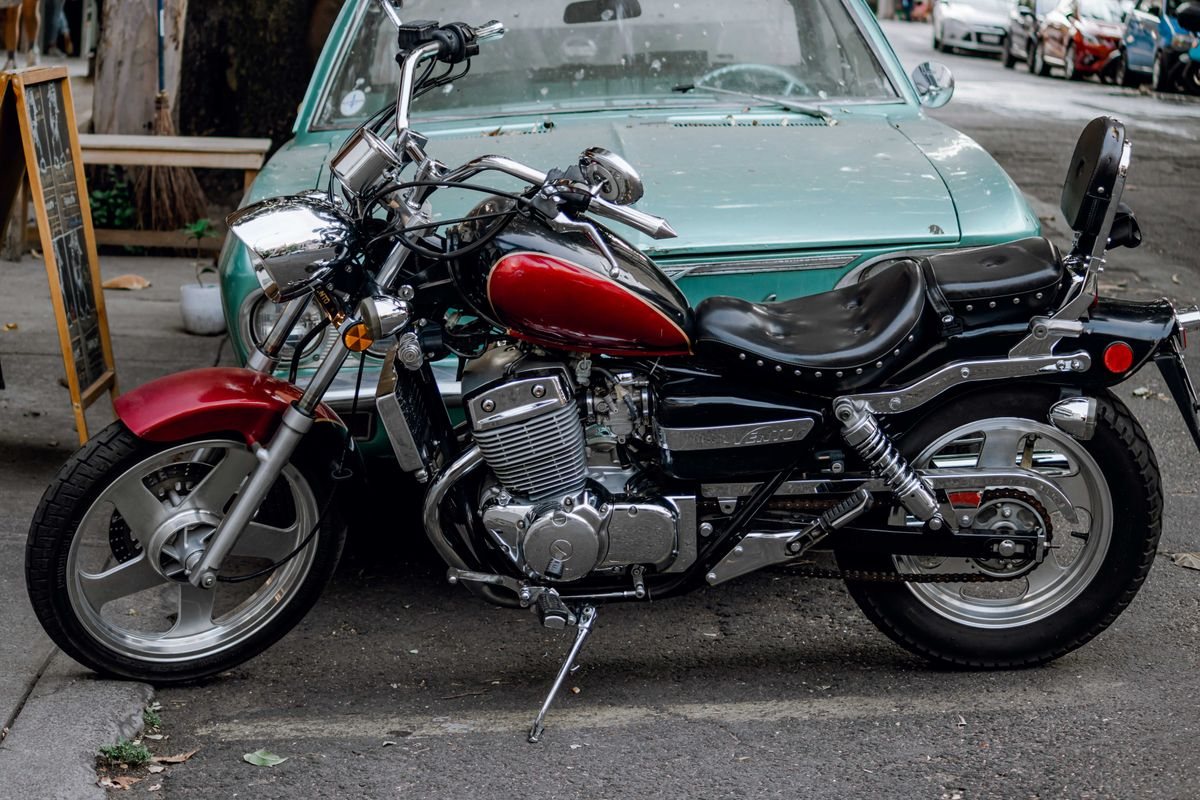
Image: Property of Indian Motorcycle.
Table of Contents
The Physics of Low-Speed Drops
A touring motorcycle like the Indian Pursuit weighs approximately 380 kg (838 lbs) wet and loaded. At speed, gyroscopic forces from the wheels keep it upright. Below 15 km/h (9 mph), those forces diminish rapidly, and the bike's weight becomes something you must actively manage.
The lower the speed, the more the bike wants to lean. The more it leans, the more gravity pulls it toward the ground. Your job at low speed is to keep the bike balanced through a combination of steering input, throttle control, brake control, and body position.
Eyes Up, Always
The single most common cause of low-speed drops is looking down. When you look at the ground in front of your front wheel, you steer toward the ground. When you look at where you want to go, you steer toward where you want to go.
This sounds simple. It is not. Every rider has been told "look where you want to go." Most riders still look down when they are nervous. The fix is not to tell yourself to look up. The fix is to actively scan the horizon and pick a target in the direction you want to travel. In a U-turn, look over your shoulder at the exit of the turn. In a parking lot, look at the empty space you are riding toward, not the parked cars you are riding past.
The Rear Brake Trick
At low speed, the rear brake is your stability tool. Dragging the rear brake slightly while in the friction zone creates a stabilizing force that makes the bike feel planted. This is the technique that separates confident low-speed riders from nervous ones.
Here is how it works: When you apply the rear brake while maintaining throttle and clutch in the friction zone, the bike's chassis settles. The rear suspension compresses slightly, lowering the centre of gravity. The bike resists leaning because the braking force creates a stabilizing torque. You can then make tight, controlled turns at walking speed.
Never grab the front brake at low speed with the bars turned. This is the most common way touring bikes are dropped. The front brake with turned bars causes the bike to dive toward the direction the wheel is pointed. If you need to stop quickly at low speed, straighten the bars first, then apply the front brake.
"The rear brake is your stability tool. Drag it slightly at low speed and the bike settles. Never grab the front brake with the bars turned."
Friction Zone Control
The friction zone is the range of clutch lever travel where the clutch is partially engaged. At low speed, you live in the friction zone. The clutch is your throttle at walking speed — it controls how much power reaches the rear wheel without the lurch of a full engagement.
Practice finding the friction zone on your bike: With the bike in first gear and your feet on the ground, slowly release the clutch until you feel the bike start to pull forward. That point is the beginning of the friction zone. Hold it there. The bike creeps forward. Add a tiny amount of throttle and you are riding at walking speed with full control.
In tight maneuvers, modulate speed with the clutch, not the throttle. More clutch = faster. Less clutch = slower. This gives you finer control than the throttle at low RPM.
Body Position
At low speed, your body position helps balance the bike. Two techniques matter:
Keep your weight on the footpegs, not the seat. Squeezing the tank with your knees stabilizes your upper body and gives you better control of the handlebars. If your weight is sloshing around on the seat, your inputs to the bars become inconsistent.
In tight turns, lean your body slightly opposite to the bike's lean. This is called counter-weighting. If you are making a tight right U-turn, the bike leans right but your body stays more upright. This keeps the centre of gravity more vertical and makes the bike easier to hold up. It feels wrong at first. It works.
Practice Exercises
Spend 10 minutes in a parking lot before every tour. These four exercises will make you a better low-speed rider:
1. The friction zone walk. In first gear, ride at walking speed using only the clutch. No throttle. Walk the bike forward 20 metres, stop, repeat. This builds clutch feel.
2. The figure-eight. Ride a figure-eight between two parking spots. Focus on looking through the turn and dragging the rear brake. Start wide and tighten the turns as you improve.
3. The U-turn. Ride in a straight line, then make a U-turn within two parking spaces width. Look over your shoulder. Drag the rear brake. Use the friction zone.
4. The slow race. Ride as slowly as you can from one point to another without putting your feet down. Last one there wins. This forces you to use all the low-speed techniques together.
Read the Surface Before Committing
Camber, gravel, potholes, paint, and a downhill parking space can matter more than the size of the lot. Before entering a parking area or tight maneuver, scan the surface: Is it level? Is it on a slope? Is there loose gravel or sand? Are there painted lines (slippery when wet)? Is there a downhill exit that will make stopping harder?
A tight uphill U-turn on clean asphalt is challenging but manageable. The same turn on a downhill slope with gravel and painted lines is a drop waiting to happen. When the surface looks bad, walk it first. If it is too bad, find another route.
Keep movements deliberate and avoid stabbing a foot down while the bars are sharply turned. Once the mass begins falling, strength alone may not save it. A deliberate, planned movement is always better than a reactive one.
If the Bike Starts to Go Over
Even experienced riders drop heavy touring bikes. The key is knowing what to do when it happens:
Let it go. If the bike passes the point of no return (approximately 30 degrees from vertical), let it fall. Trying to catch a 380 kg (838 lb) motorcycle will injure you. The bike has crash bars and engine guards designed to take the impact. You do not.
Hit the kill switch. If the bike goes over while running, hit the kill switch immediately. A running engine with the bike on its side can cause oil to pool in the wrong places and make the bike harder to pick up.
Pick it up properly. Turn your back to the bike, squat down, grip the handlebar and a frame rail or passenger grab rail, and push backward with your legs. Do not lift with your back. Your legs are stronger than your back. This technique works even for smaller riders picking up heavy bikes.
Low-speed handling is a skill, not a talent. Eyes up, rear brake, friction zone, counter-weight. Practice 10 minutes in a parking lot before every tour. If the bike goes over, let it fall and pick it up with your legs. Every touring rider drops their bike eventually. The good ones do it at zero speed in a parking lot, not in traffic.