Is Heated Motorcycle Gear Worth It for Late-Season Riding? An Honest Breakdown
Heated grips, gloves, jacket liners and insoles all promise to stretch your riding season. Here's what heated gear actually does, what to buy first, and the point where no amount of watts saves the ride.
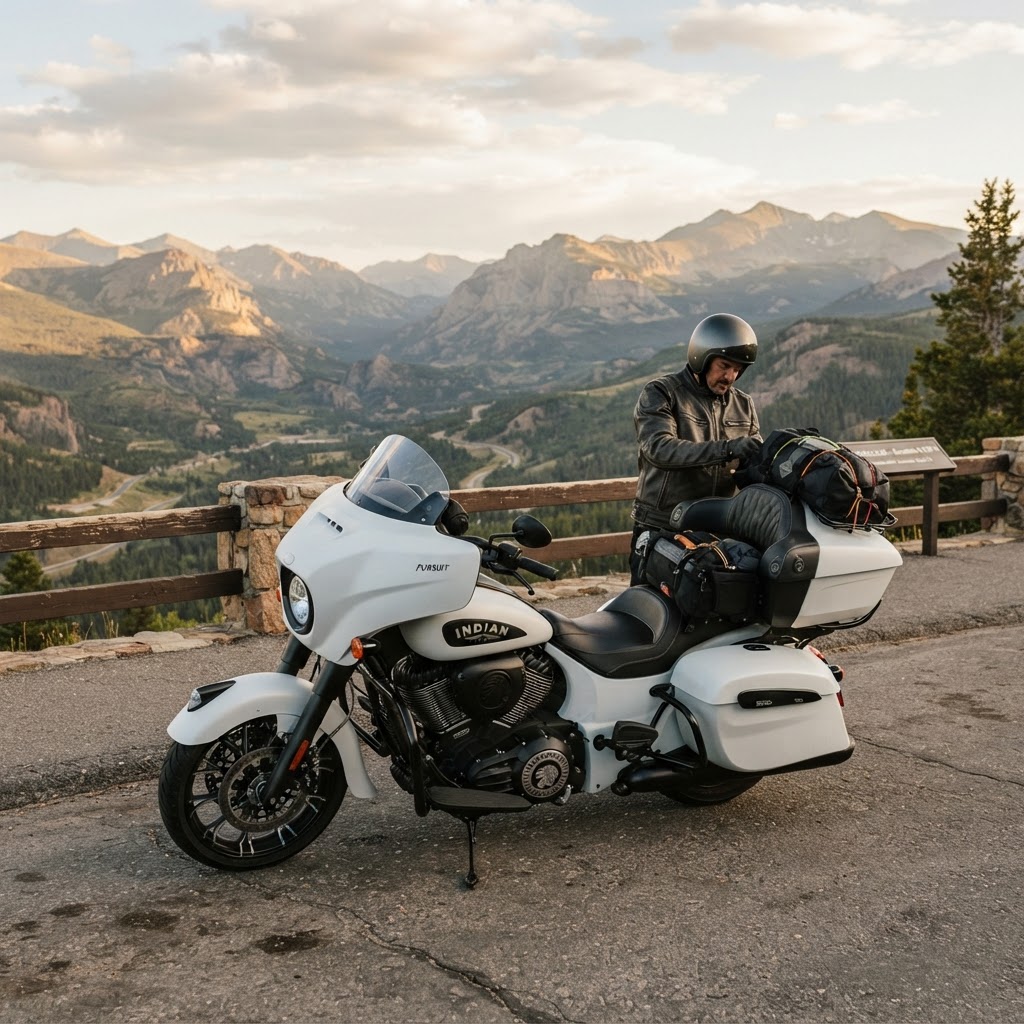
Image: Property of Indian Motorcycle (Polaris Inc.).
Late September in Atlantic Canada is the season's last honest stretch. The mornings are cold, the afternoons are perfect, and every rider I know starts doing the same math: how many more good rides are left, and is heated gear the thing that buys me a few more of them? I ride an Indian Pursuit with factory heated grips, so I can tell you from direct experience what heated gear does and doesn't do — and for the rest of the heated lineup (gloves, liners, insoles), this is a straight gear-category breakdown, not a hands-on review.
Table of Contents
What Heated Gear Actually Does
Heated gear doesn't make you warm. It slows how fast you lose heat. That distinction matters. At highway speed, wind chill strips heat off your body faster than your metabolism can replace it — the gear adds an external heat source to fight that deficit. It works, and it works well, right up until the deficit gets bigger than the gear's output. Understanding that ceiling is the difference between a great cold ride and a miserable one.
Heated Grips: The One I Use
Heated grips are the cheapest, simplest entry point, and on my Pursuit they're the difference between riding into October and parking the bike in September. Two things from experience: first, grips heat the palms of your hands, not the backs — the windward side of your fingers still gets cold, which is why grip quality matters more than grip wattage in genuinely cold weather. Second, the controls matter more than you'd think. Mine run through the Ride Command screen, and when they vanished from the menu recently it took a specific sequence to bring them back — I documented the whole fix because it's the kind of thing that strands riders. If you're buying a bike with factory heated grips, they're a feature you'll use constantly in this climate. Worth it? Unquestionably.
The Core Rule: Heat the Torso First
If you're buying one piece of heated gear beyond grips, make it a heated jacket liner, not gloves. Here's why: your body prioritizes keeping your core warm. When your core temperature starts dropping, your body reduces blood flow to your extremities — that's why cold hands are usually a core problem, not a hand problem. Riders who heat their core first routinely report that their hands and feet stay warmer without any heated gloves or insoles at all. Heat the torso and the extremities follow. Heat only the extremities and you're fighting your own physiology.
Wired vs Battery: The Power Decision
Every piece of heated gear falls into one of two camps:
- Wired 12V gear — powered from the bike's electrical system, usually through a fused connection and a controller. No charging routine, unlimited runtime while riding, but it draws real current; it's meant to run with the engine spinning, on a bike with a healthy charging system. Installation is usually a one-time dealer or garage job.
- Battery-powered gear — self-contained packs in gloves, vests, or insoles. Zero wiring, works on any bike, great for shorter rides — but you're managing charge cycles, and runtime drops in the coldest weather, exactly when you need it most.
For touring riders, wired is the grown-up answer. For occasional cold commutes, battery gear is fine. Either way, check the total draw against your bike's charging output before layering multiple pieces on one machine.
Where Heated Gear Stops Working
Heated gear extends the season; it doesn't cancel winter. The honest limits, from riding in Atlantic Canada's shoulder seasons:
- Tire temperature doesn't care about your gloves. Cold tires have less grip until they've warmed through several kilometres of cornering. No amount of heated gear changes that warm-up window.
- Road salt and sand arrive with the cold. The season ends when the road treatment shows up, not when your comfort does.
- Daylight shrinks — late-season riding means more time in deer hours and dark commutes. Heated gear keeps you comfortable; it doesn't shorten the risk window.
- Ice is ice. Below roughly 5°C (41°F) ambient, frost and black ice become a live possibility on any shaded corner, and no gear category fixes that.
My own line: heated gear is worth it down to about 5°C (41°F) ambient, stretching my season by weeks on each end. Below that, the physics of the road — not my body temperature — is what ends the riding year. If you're still building your season-end plan, my Atlantic Canada riding season guide covers the storage side of that decision.