Cabot Trail: 298 km, How Long It Really Takes and Where to Stop
The Cabot Trail is a 298 km loop that takes five hours nonstop and two to three days if you actually stop. Fuel gaps, direction and where to sleep on the loop.
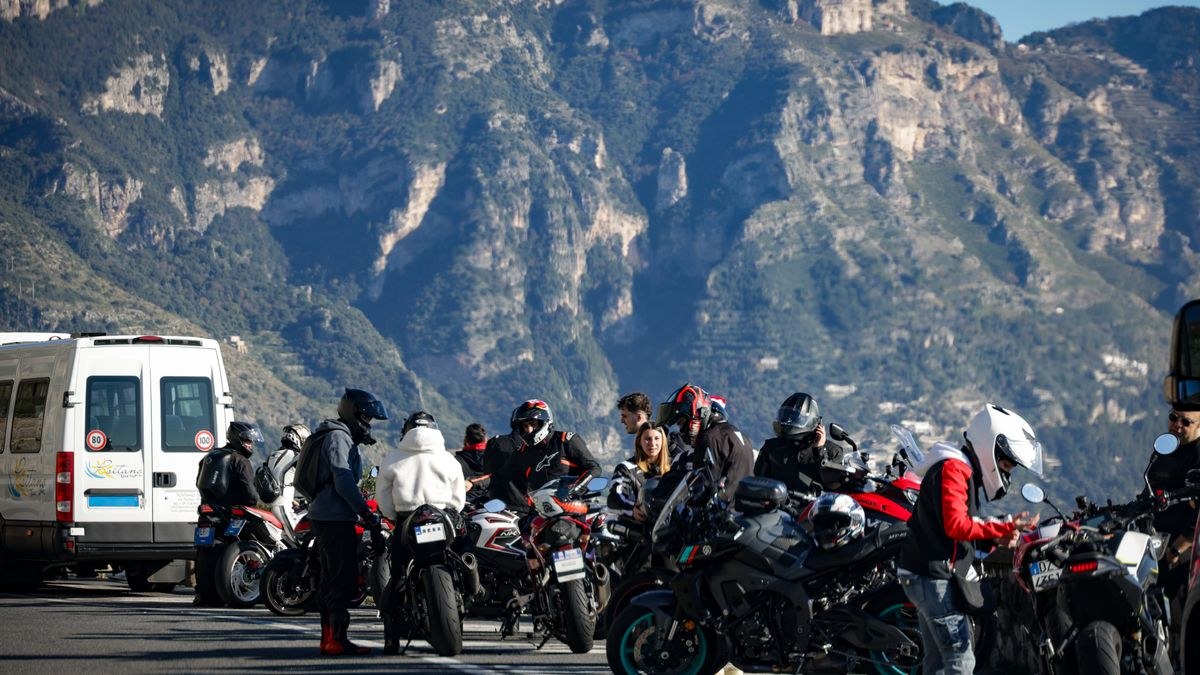
Image: Greg Toope
In this article
The numbers first
The Cabot Trail is a 298 km (185 mi) loop around northern Cape Breton Island in Nova Scotia, running through Cape Breton Highlands National Park. Ridden without stopping, the loop takes about five hours. Almost nobody does that, and riders who try usually regret it. Two to three days is the honest number for a first visit, and a single long day is only realistic if you have ridden it before and know exactly which pull offs you are skipping.
Why five hours is a lie
Five hours is driving time, not riding time. It is a two lane road with fishing villages, switchbacks climbing out of Cheticamp, and whale watching pull offs. Traffic in season crawls through the villages, and one RV in front of you on the climb out of Pleasant Bay ends any idea of a schedule. Greg has ridden this loop numerous times and the consistent lesson is that elapsed time is set by how often you stop, not by how fast you ride.
Clockwise or counterclockwise
Counterclockwise puts you through Cheticamp first, so the climb into the highlands comes early while you are fresh and the coastal run back through Ingonish finishes the day. Clockwise reverses it and puts the steepest climbing later. Most first timers are better off counterclockwise because the hardest road arrives before fatigue does. On a heavy touring bike that matters more than the order of the views.
Where to actually stop
Cheticamp is the last real town before the highlands, so fuel and food there regardless of direction. The Skyline Trail boardwalk is the most photographed walk on the trail and it is a there and back detour, not a loop, so budget the time honestly. Pleasant Bay is the whale watching stop. Ingonish is where the day ends for most riders. Doing the loop in one day means picking two of those and accepting you skip the rest.
Fuel and range on a touring bike
Fuel is available at Cheticamp, Pleasant Bay and Ingonish, but not everywhere in between, and the highlands stretch has nothing. Greg's Pursuit returns about 5.8 L/100 km (40.6 mpg US) loaded solo, which is roughly 390 km (242 mi) from a 22.7 litre tank. That is more than enough for a 298 km loop, but start it on half a tank and you will be thinking about the gap instead of the road. Fill up before you enter the park.
What it costs and when to go
Budget a full tank of fuel, a night or two of accommodation if you are staying, and park entry if you stop inside the national park. Late September and early October are the sweet spot: the tour buses thin out, the colours turn, and the weather still rides, which is why Greg's own Cabot Trail runs cluster in the fall. July and August are the busiest and slowest. Ride it midweek if you can, because weekend traffic through the villages is the difference between a five hour loop and a seven hour one.
Frequently Asked Questions
What the loop actually feels like
The first forty kilometres out of Cheticamp are the part riders talk about afterwards. The road climbs in tight switchbacks with the Gulf of St. Lawrence on one side and rock face on the other, and on a heavy bagger the turns come faster than the bike wants to change direction. Ride it in the low gears, let the engine do the work, and do not try to make time. Past the highlands the character changes completely: long sweepers, coastal shelf road, fishing villages where the speed drops to thirty and stays there. Two very different halves of one road, and the second half is where most riders run out of patience and start pushing. That is exactly when the pull offs are worth taking.
Rain, wind and the weather call
Cape Breton weather turns fast, and the highlands sit high enough to make their own. Fog on the top section is common in the fall and it cuts visibility on a road with no shoulder, which is the one condition worth waiting out at a coffee stop rather than pushing through. Wind is the other factor: the coastal run through Ingonish is exposed, and a loaded touring bike catches a crosswind like a sail. Check the forecast the morning you ride the highlands section specifically, not the forecast for Sydney or Baddeck, because the park makes its own weather and the difference between the two can be the difference between a good day and a miserable one.
How long does the Cabot Trail take to ride?
About five hours without stopping. Most riders take two to three days, and a single day only works if you know which stops you are skipping.
Is the Cabot Trail 298 km long?
Yes. The loop is 298 km or 185 miles around northern Cape Breton Island, through Cape Breton Highlands National Park.
Which direction should I ride the Cabot Trail?
Counterclockwise for most first timers, because the climb into the highlands comes early while you are fresh.
Is there fuel on the Cabot Trail?
Fuel is available at Cheticamp, Pleasant Bay and Ingonish, but the highlands stretch has none, so fill up before entering the park.