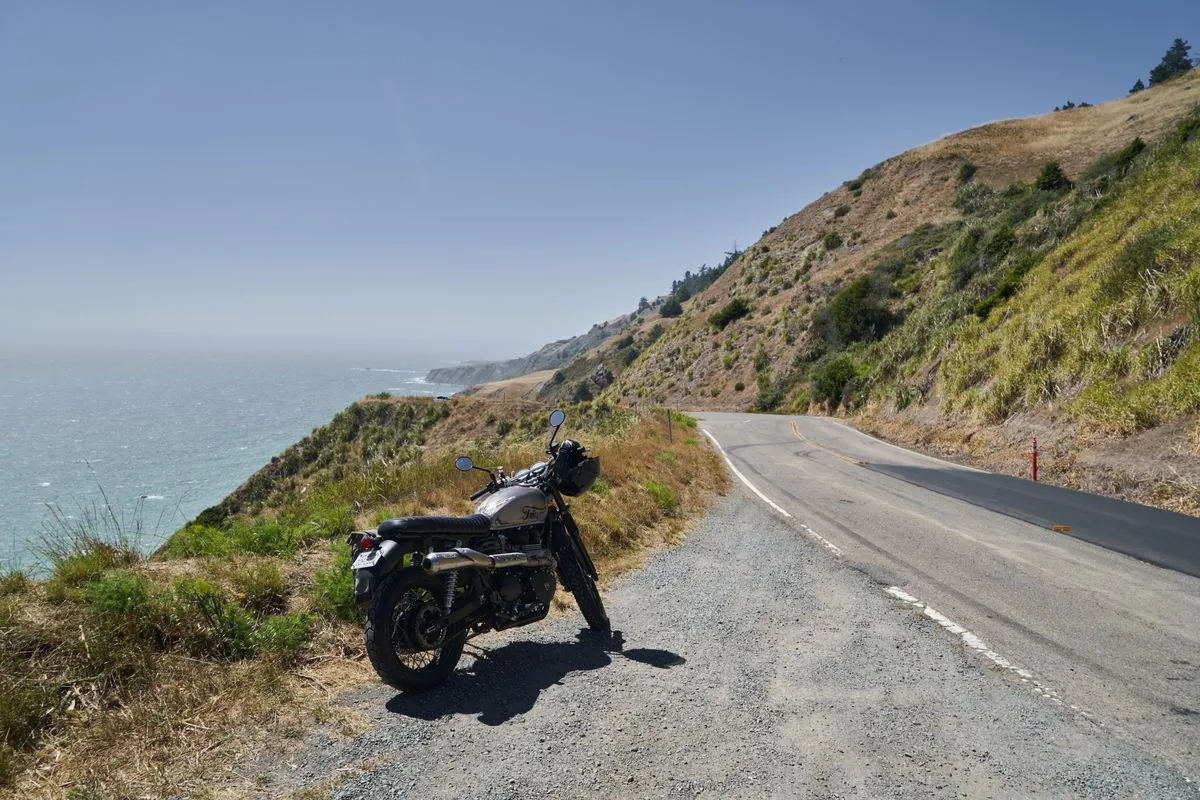
Cabot Trail Motorcycle Ride — The Complete Guide for 2026
The Cabot Trail is on every Canadian motorcycle bucket list for a reason. 298 km (185 miles) of ocean cliffs, mountain switchbacks, and coastal fishing villages on Cape Breton Island, Nova Scotia. I'm riding it in June 2026 — here's everything I know going in, and what I've learned from riders who've done it before.
This guide covers the complete loop: direction, fuel stops, where to stay, the sections worth slowing down for, and the parts most guides gloss over.
In This Guide
The Basics
- Total loop distance: 298 km (185 miles)
- Minimum time to ride it properly: One full day, 6–8 hours with stops
- Best base town: Baddeck, NS
- Best season: Late June through September
- Road surface: Excellent in summer — the Trans-Canada connecting roads can have frost heave sections, but the Trail itself is well maintained
- Cell service: Spotty through the Highlands. Download offline maps before you leave.
From New Brunswick
From Dieppe, NB to Baddeck is approximately 415 km (258 miles) — a comfortable day's ride through the Trans-Canada and Canso Causeway. That puts the total trip at roughly 1,128 km (701 miles) return.
Clockwise vs Counterclockwise — Which Way to Ride It
Ride clockwise. Starting in Baddeck, head north on the Trans-Canada to Margaree, then up the west coast through Cheticamp into Cape Breton Highlands National Park. This puts you on the ocean side for the most dramatic cliff sections — the road hugs the edge with nothing between you and the Gulf of St. Lawrence.
Counterclockwise gives you the same road, obviously — but you hit the best views on the way back when you're tired and rushing to get back to Baddeck. Do it clockwise and you earn the reward early.
Getting There from New Brunswick
The Trans-Canada (Highway 104) from Amherst through Truro into Cape Breton is the direct route. Cross the Canso Causeway onto Cape Breton Island — it's a straightforward ride with no significant issues. From the causeway to Baddeck is about 75 km (47 miles).
The road through the Cobequid Pass on the 104 has good visibility and smooth pavement — enjoy it while it lasts. Once you're on Cape Breton the pace changes entirely.
The Best Sections
French Mountain and MacKenzie Mountain (West Side)
This is what you came for. The road climbs to 455 m (1,493 ft) with hairpin turns and sheer cliff drops to the ocean below. It's not a fast section — it's a slow-it-down, take-it-all-in section. The pullouts here are worth every minute you spend stopped.
Cape North and Money Point (North)
The northernmost point of the trail is quieter than the west coast cliffs but has its own rugged beauty. The road narrows and the traffic thins out. This is where you feel like you actually have the trail to yourself.
The Cabot Trail through the Highlands National Park
The inland sections through the park feel completely different from the coastal stretches — boreal forest, river valleys, and moose habitat. Keep your speed down here. Moose are a genuine hazard at dawn and dusk.
⚠️ Moose Warning
Moose are a serious hazard on Cape Breton roads, particularly at dawn and dusk and in the Highlands National Park sections. Ride at a pace that gives you stopping distance. This is not a track day — it's a scenic road with wildlife.
Fuel Stops — Plan Ahead
This is the one thing that catches people off guard. Fuel stations on the actual trail loop are sparse. Here's the practical plan:
- Baddeck: Fill up before you start
- Cheticamp: The most reliable mid-loop fuel stop on the west side — don't skip it
- Ingonish: Fuel available on the east side — top up here for the run back to Baddeck
On my Indian Pursuit with a 22.7L (6.0 gal) tank and 6.0–6.7 L/100km touring consumption, the full loop is comfortably within one tank from Baddeck with reserve. But don't assume — fill at Cheticamp.
Where to Stay
Baddeck — Best Base for the Loop
Baddeck sits at the start and end of the Cabot Trail loop on the Bras d'Or Lake. It has multiple accommodation options, restaurants, and the Alexander Graham Bell museum if you've got time to kill. Most riders base here for 1–2 nights and do the loop as a day ride.
Cheticamp — Good Midpoint Option
If you want to break the loop into two days (recommended if you want to actually stop and experience it), Cheticamp on the west side is a natural midpoint with good food and accommodation.
Camping in the Highlands National Park
There are Parks Canada campgrounds inside the Highlands National Park on the trail itself. Reservations are essential in July and August — book well in advance through the Parks Canada reservation system.
What to Bring
Essential Gear for the Cabot Trail
- Communication system: We're running the NYTalk N8 mesh intercom for two-up. Essential for passenger comfort and safety on remote roads.
- Camera setup: This trail is made for the Insta360 X5 invisible selfie stick effect on the cliff sections
- Rain gear: Cape Breton weather is unpredictable. Pack it even in July.
- Offline maps: Download Google Maps or Maps.me for Cape Breton before you leave — cell coverage gaps are real
- Layers: The Highlands plateau at elevation is noticeably cooler than Baddeck
Camera links:
Insta360 X5 — Amazon.ca Amazon.com Insta360 Ace Pro 2 — Amazon.ca Amazon.comThings Nobody Tells You Before You Ride the Cabot Trail
- The road is narrower than it looks on maps. Two-lane in most sections but with no shoulder and significant elevation changes. Oncoming RVs on the cliff sections require patience.
- The pullouts fill up in peak summer. If you want an unobstructed view shot, go early — before 9am the overlooks are nearly empty.
- The descent from French Mountain is technical. The grade is steep and the turns are tight. Don't follow another bike too closely on the way down.
- Gas prices on the island are higher than mainland Nova Scotia. Not dramatically — but fill in Baddeck and Cheticamp and you'll pay less than fuelling at a single stop in the park.
- Check Parks Canada for road conditions the day before. Rockslides after heavy rain are not unheard of on the cliff sections.
- Cell service is genuinely spotty at Cape North. Let someone know your itinerary if you're riding solo.
Frequently Asked Questions
Which direction should you ride the Cabot Trail on a motorcycle?
Clockwise — starting in Baddeck and heading north through Cheticamp. This puts the ocean cliffs on your left going up the west coast, which is the most dramatic riding on the trail. You hit the best sections in the morning when you're fresh.
How long does it take to ride the Cabot Trail?
The loop is 298 km (185 miles). A non-stop run takes about 4 hours but you'd miss everything worth stopping for. Most riders take 6–8 hours with stops. One full day is the minimum to do it properly — two days lets you actually breathe.
What is the best time of year to ride the Cabot Trail?
Late June through September is the sweet spot. July and August are peak season — more traffic on the narrow sections but all services are open. June gives you fewer crowds with roads in great condition after winter. Fall colours in late September are spectacular but weather is less predictable and some services close.
Where should I stay for the Cabot Trail?
Baddeck is the most popular base — it's at the start and end of the loop with good accommodation ranging from B&Bs to the Inverary Resort. Book well in advance for July and August.
Is the Cabot Trail good for two-up motorcycle riding?
Yes — the road surface is well maintained and the pace on the scenic sections is naturally slower. A good intercom system is essential for two-up so your passenger can communicate comfort and rest stop requests. The Indian Pursuit is an ideal platform for the Cabot Trail two-up.
Related Articles
Some links in this article are affiliate links. If you purchase through them I may earn a small commission at no extra cost to you. All opinions and recommendations are my own.