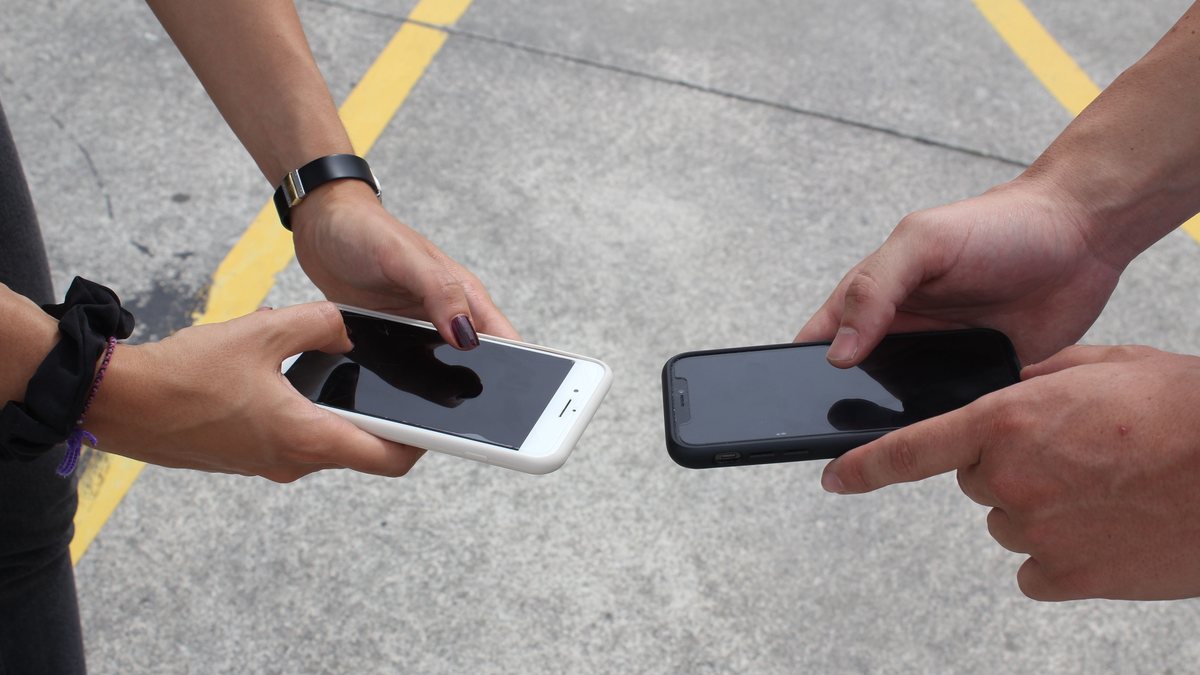
Photo: Belvedere Agency via Pexels
Quick Share SDK: Android and iPhone Files Arrive in Apps in 2027
In This Article
The clipboard between Android and iPhone has been broken for years, and moving a few gigabytes of ride footage between them is still worse. Google says it has the fix, but it arrives inside other people's apps, next year.
What Google actually announced
At Android Dev Summit 2026, Google announced a Quick Share SDK that arrives in the first half of 2027. It lets third-party apps on both Android and iOS run peer-to-peer file transfers directly, instead of routing people through the system share sheet and the full-screen Quick Share interface.
That framing matters more than the feature list. Quick Share as a system service already exists on Android. The SDK is what lets a third-party app put the transfer inside its own UI, which is the difference between "use this other app to send the file" and "tap send in the app you are already in."
This is developer tooling announced in November 2026, not a shipping product. As of November 4, 2026 no app has it, and no app can promise it. Anything telling you otherwise is describing a plan.
How the transfer works
The technical claims Google has made are specific and worth taking at face value until apps ship:
- Transfers are end-to-end encrypted between the two devices
- They run over the local network, using Wi-Fi Direct on devices that support it
- Files do not need to be compressed to send
- Transfers work offline, with no cellular connection required
- In-app transfers open a bottom sheet showing a preview of the files being sent
The local network part is the one that changes behaviour rather than just convenience. A file moving over Wi-Fi Direct between two phones near each other does not touch a cloud account, does not count against a mobile plan, and does not need a signal. On a trip, at a campsite, in a parking lot in Cape Breton with one bar of service, that is the whole argument.
Why this matters for riding footage
Anyone who records rides runs into the same problem. The footage lands on the camera card, gets pulled to one phone or a laptop, and then has to get to somebody else: a riding partner who wants the clip, an editor, a group chat that will not accept a 2 GB file.
Right now the practical routes are all compromises. Cloud upload eats data and time. AirDrop works fine until the other person is on Android. Quick Share works fine until the other person is on iPhone. WhatsApp and iMessage both shrink video before it arrives, which defeats the point when the clip is the deliverable.
An in-app, uncompressed, offline, encrypted transfer is the first realistic fix for the cross-platform case. The important word is realistic. Not novel, not faster in a benchmark, just realistic for two people standing next to each other with different phones.
How much this actually helps depends entirely on whether the apps people already use adopt it. Quick Share inside a camera app's companion software would be genuinely useful. Quick Share inside an app nobody opens is a press release. Google has announced the SDK, not a list of partners.
What it does not do yet
Three limits worth stating plainly, because the announcement reads more finished than it is.
First, the date. First half of 2027 is a wide window and it is a developer availability target, not a promise that consumer features appear then. Apps that adopt the SDK in mid-2027 will need their own update cycle on top.
Second, this does not fix the iPhone side being closed. Apple has its own transfer systems and its own rules about what third-party apps may do with local networking. The SDK running on iOS depends on Apple allowing that behaviour, and Google's announcement describes the intent rather than Apple's published position.
Third, it does not replace your card workflow. Getting footage off an action camera is still pulling a card, or a USB cable, or a wireless export that drains the camera battery. Quick Share moves a file from one phone to another phone. It does not touch the first hop, which is the slow one.
No pricing, app list, or feature availability beyond what Google published has been announced. Do not plan a workflow around this until an app you use ships it.
Should you wait for it?
No, and this is the honest answer for anyone recording rides now. The problem it solves is real but it is the last hop, not the first. If moving footage between two phones in the same room is your actual bottleneck, the current fix is a small USB-C card reader and a cable, which moves data faster than any wireless transfer and works with no signal at all.
What I would do is watch which camera companion apps adopt the SDK in 2027. If the app for your action camera builds it in, that is the moment it becomes useful to a rider, because the card pull and the phone-to-phone share collapse into one step. Until then, treat the announcement as the right direction and nothing you can use this season.
The one thing worth changing now is card capacity planning, and that is a different conversation about how much storage costs in 2026.
Frequently Asked Questions
What is the Quick Share SDK?
It is developer tooling announced by Google at Android Dev Summit 2026 that lets third-party apps on both Android and iOS run peer-to-peer file transfers directly inside their own interface, rather than requiring the system share sheet and the full-screen Quick Share experience.
When does Quick Share SDK arrive?
Google says the first half of 2027. As of November 4, 2026 no app has shipped it, and individual apps will still need their own update cycle after that.
Does Quick Share SDK work between Android and iPhone?
Yes, that is the point of it. It is designed for both Android and iOS, which is the first realistic cross-platform local transfer route. Whether it ships on iOS depends on Apple permitting the behaviour, which Google has not addressed publicly.
Does Quick Share require internet?
No. Transfers run over the local network using Wi-Fi Direct on supported devices, work offline without cellular, and are end-to-end encrypted between the two devices.
Does Quick Share compress video files?
Google states files do not need to be compressed to send. This is different from messaging apps, which typically shrink video before delivery.