Do You Still Need a Screen Protector? Apple's Ceramic Shield 2 Explained
Apple's new hardware chief says seeing a screen protector on an iPhone "makes my skin crawl." Three times the scratch resistance sounds great on paper — here's what that actually means for the phone in your pocket.
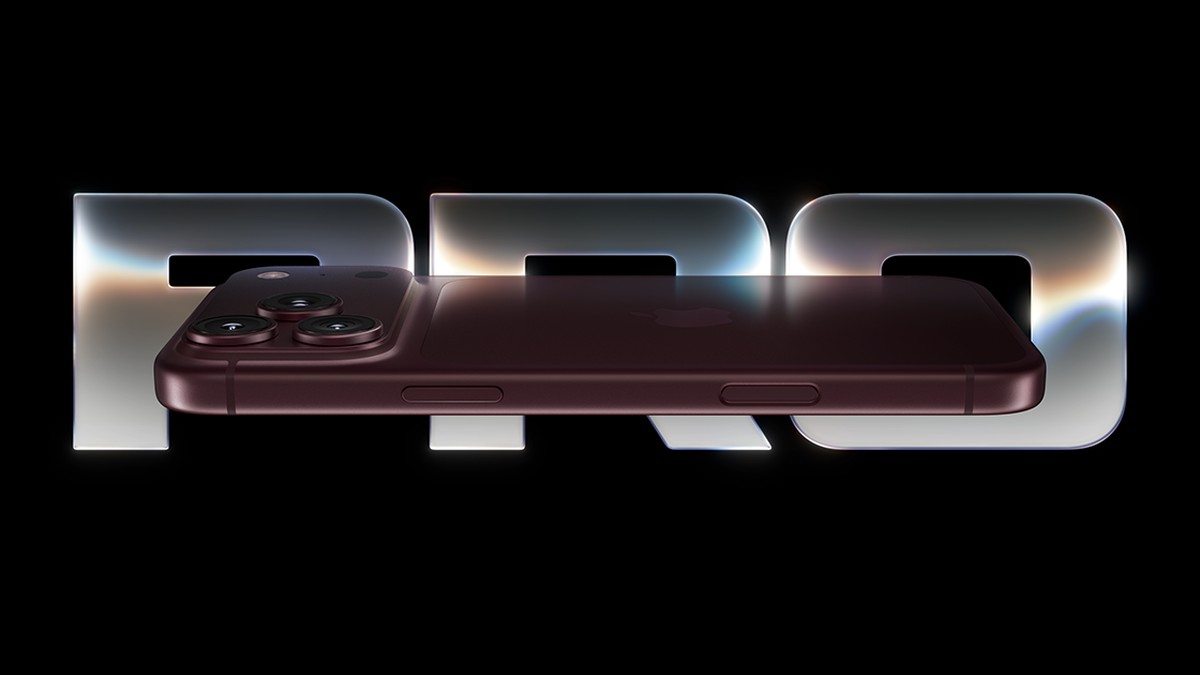
Image: Property of Apple Inc.
Tom Marieb, Apple's new VP of Hardware Engineering, gave an interview earlier this month that instantly became a meme: when he sees someone put a screen protector on their iPhone, he told TechRadar, it makes his skin crawl. His argument is straightforward — Apple designs the glass to be used naked, and Ceramic Shield 2, first introduced on the iPhone 17 line and now on the iPhone 18 Pro, was engineered specifically to make the plastic film unnecessary. Apple positions it as offering roughly three times the scratch resistance of the previous generation.
As someone who reviews phones for a living, my reaction is split. He's right about the engineering. He's wrong about sand.
Table of Contents
What Ceramic Shield 2 Actually Does
Apple's glass story has always been about two competing properties: hardness (scratch resistance) and toughness (not shattering when you drop it). Make glass harder and it resists scratches but becomes more brittle. Make it tougher and it survives drops but scuffs more easily. Marieb himself acknowledged the tradeoff in the same interview, noting Apple could have pushed scratch resistance even further but had to balance it against long-term durability.
Ceramic Shield 2's claim — three times the scratch resistance of the previous generation — puts it in the territory where the things that scratched older iPhones (keys, coins, zippers) mostly can't touch it. For everyday pocket life, that genuinely covers the majority of what screen protectors were doing.
Scratch Resistance vs. Crack Protection
Here's the part the marketing doesn't say: a screen protector has never been mainly about scratches. The protector is a sacrificial layer. When your phone lands face-down on gravel, the film absorbs the point impact — it shatters, stretches or gouges, and the glass underneath often survives. Ceramic Shield 2, however scratch-resistant, is still glass, and glass still cracks from concentrated impact. Apple's own drop testing involves flat, controlled surfaces. Real driveways and parking lots are not flat, controlled surfaces.
The other threat is quartz sand. Hardened glass is rated against materials softer than itself, and common sand particles are hard enough to leave fine scratches on any phone glass, Ceramic Shield included. If you take your phone to the beach, on a dirt bike ride, or anywhere gritty, that three-x claim doesn't apply to the one material most likely to be in your pocket.
So Do You Need One?
My honest breakdown after years of reviewing phones and cases:
- iPhone 17/18 owner, careful user, clean environments: Skip it. The glass is good, and you'll enjoy the display more without the film.
- Resale-conscious owner: A $15 protector is cheaper than the scratch deduction at trade-in time. This is the pragmatic answer, even if it makes Apple's hardware chief itchy.
- Anyone around sand, dust or job sites: Yes, still use one. Sand doesn't care about the 3x claim.
- Drop-prone owner: A protector plus a case with a raised lip is still the cheapest insurance in tech.
The skin-crawl quote is an engineer being honest about his design intent — and as design intent goes, Ceramic Shield 2 is a real improvement. But intent and a gravel driveway are different things. My iPhone goes into a case; the protector goes on when I know I'm heading somewhere that eats phones. That's not heresy, that's just risk management.
Related Articles
The Money Math
Worth zooming out to the actual dollars. A quality tempered-glass protector runs $15-30 CAD and takes five minutes to apply; replacing an iPhone 18 Pro display through Apple's official service is one of the most expensive repairs in consumer tech — comfortably into four figures without AppleCare+. Even with coverage, there's the deductible, the backup-and-ship hassle, and the risk of an aftermarket repair degrading Face ID or display quality. The asymmetric math is the whole argument: tiny, cheap, sacrificial layer versus large, expensive, structural one. Marieb's design intent is real — Ceramic Shield 2 means a bare screen survives a year of normal pockets better than any previous iPhone. But the engineer optimizes for the median drop; you live with the tail risk. That's why the answer for most people is still "case always, protector when the risk goes up," even in the Ceramic Shield 2 era — and why the comments section of every tech site spent a week roasting the skin-crawl quote anyway.