Home / Moto Blog / Thermal Imaging for Motorcycle Maintenance
Thermal Imaging for Motorcycle Maintenance — Finding Problems Before They Fail
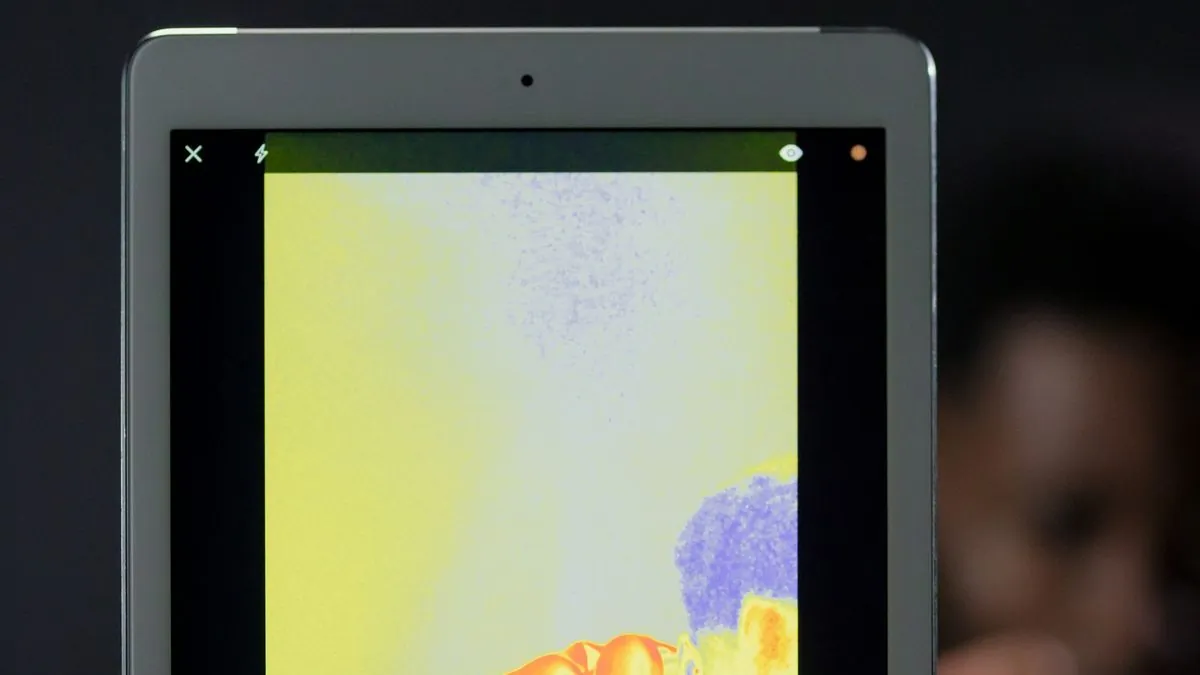
Thermal imaging cameras have dropped from $2,000+ professional tools to $200 phone accessories. For motorcycle maintenance, this is a game-changer — you can now see problems that used to require guesswork, dealership visits, or catastrophic failure to diagnose. A thermal camera shows you heat: where it's normal, where it's excessive, and where something is wrong before it leaves you stranded.
Here's how to use a budget thermal camera for motorcycle maintenance, with specific diagnostic procedures for the most common heat-related issues.
Table of Contents
Brake Diagnostics — The #1 Use Case
The single most useful application of thermal imaging for motorcycle maintenance is brake diagnostics. After a ride, scan each brake rotor:
What You're Looking For
- All rotors similar temperature: Normal. Your brake system is balanced.
- One rotor significantly hotter: Dragging caliper. The brake pad isn't fully releasing, generating friction and heat even when you're not braking. Causes: stuck piston, dirty slide pins, or misaligned pad.
- One rotor significantly cooler: That brake isn't engaging properly. Causes: air in the line, failing caliper, or pad contamination.
- One spot on rotor much hotter than rest: Warped rotor or uneven pad deposit. The brake is grabbing at one point in the rotation.
A dragging brake isn't just a maintenance issue — it's a safety issue. It reduces braking effectiveness, increases fuel consumption, and can cause brake fluid boil during sustained riding. With a thermal camera, you catch it before it becomes a problem on the road.
Engine and Exhaust Analysis
After a ride, scan the engine and exhaust system:
Exhaust Headers
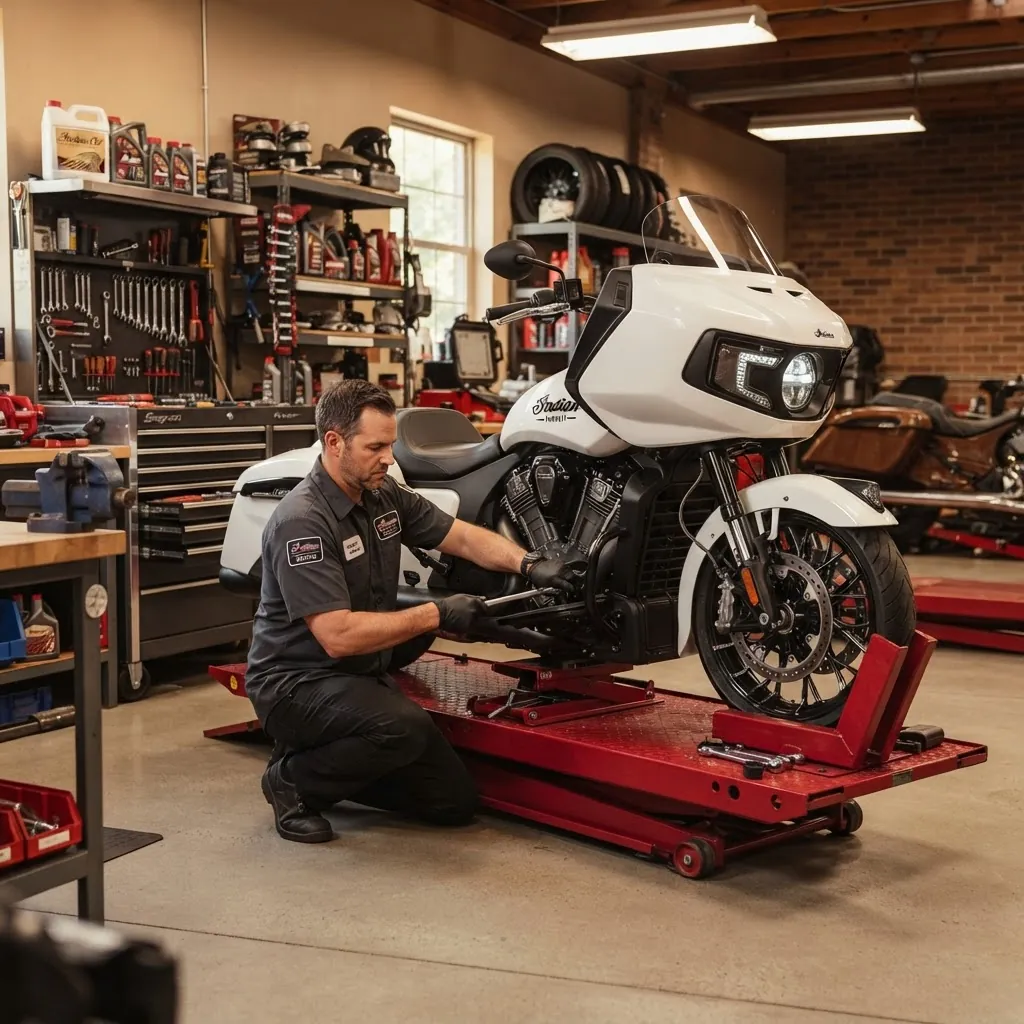
On a multi-cylinder engine, each exhaust header should be at a similar temperature. A cooler header indicates a misfire, fuel delivery issue, or compression problem in that cylinder. On the Indian Pursuit's PowerPlus 108, scan both cylinder headers — they should be within 30-50°C (54-90°F) of each other.
Engine Cases
Scan the engine cases for hot spots. Normal temperature distribution is even, with the hottest areas near the cylinders and exhaust ports. A localized hot spot can indicate a bearing failure, oil starvation, or internal friction issue developing.
Oil Temperature
Scan the oil pan after a ride. If the oil is significantly hotter than expected for the riding conditions (e.g., 130°C/266°F+ after moderate riding), it may indicate low oil level, old oil, or a cooling system issue.
Electrical System Scanning
Electrical problems generate heat before they generate failure. Scan these components after a ride:
- Battery terminals: Should be at ambient temperature. Hot terminals indicate loose connections or corrosion — clean and tighten immediately.
- Fuse panel: All fuses should be cool. A hot fuse indicates excessive current draw — investigate the circuit before it fails.
- Stator wiring: Scan the stator connector and wiring. Hot spots indicate resistance from corrosion or loose pins. This is a common failure point on touring bikes that see weather.
- Regulator/rectifier: This component gets warm normally, but excessive heat indicates it's working harder than it should — possibly from a failing stator or high electrical load.
- Accessory connections: If you've added heated gear, aux lights, or a phone charger, scan those connections. Any hot spot is a potential fire risk.
Tire and Bearing Temperature
After a ride, scan the tire surface and wheel bearings:
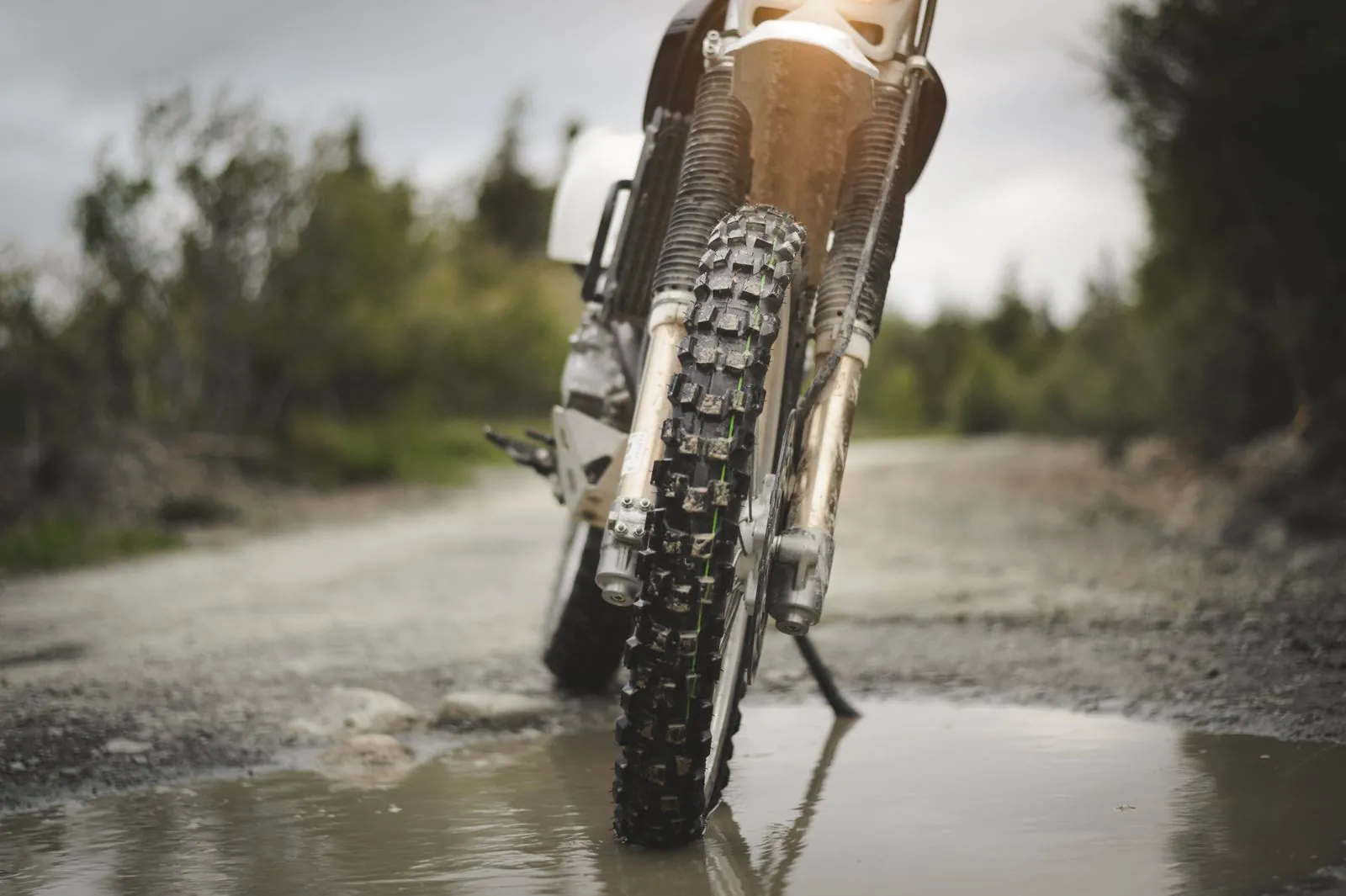
- Tire temperature: Both tires should be similar. A significantly hotter tire may indicate underinflation or excessive load on one side. On touring bikes, the rear tire naturally runs warmer than the front.
- Wheel bearings: Scan the hub area. A hot wheel bearing is failing — this is a serious safety issue. Bearing failure can cause wheel lockup at speed. If you see a hot hub, inspect the bearings immediately.
- Tire pressure correlation: Underinflated tires run hotter. If the thermal camera shows a hot tire, check pressure first — it's the most likely cause.
Cooling System Checks
For liquid-cooled bikes, thermal imaging reveals cooling system issues:
- Radiator flow: Scan the radiator surface. A cold area in the middle indicates a blockage — coolant isn't flowing through that section. This reduces cooling efficiency and can cause overheating.
- Thermostat: If the engine takes longer than normal to warm up, the thermostat may be stuck open. The thermal camera shows whether the radiator is heating up too quickly (thermostat open) or staying cold (thermostat closed).
- Coolant lines: Scan hoses for temperature consistency. A cold section in a hose indicates a blockage or air lock.
Which Camera to Buy
For motorcycle maintenance, you don't need professional-grade thermal imaging. The Thermal Master P2 Pro ($199) or HIKMICRO Pocket ($250-300) are more than sufficient. The key is having the camera in your garage when you need it — and at $200, it's the cheapest diagnostic tool that can find problems a multimeter or visual inspection can't.
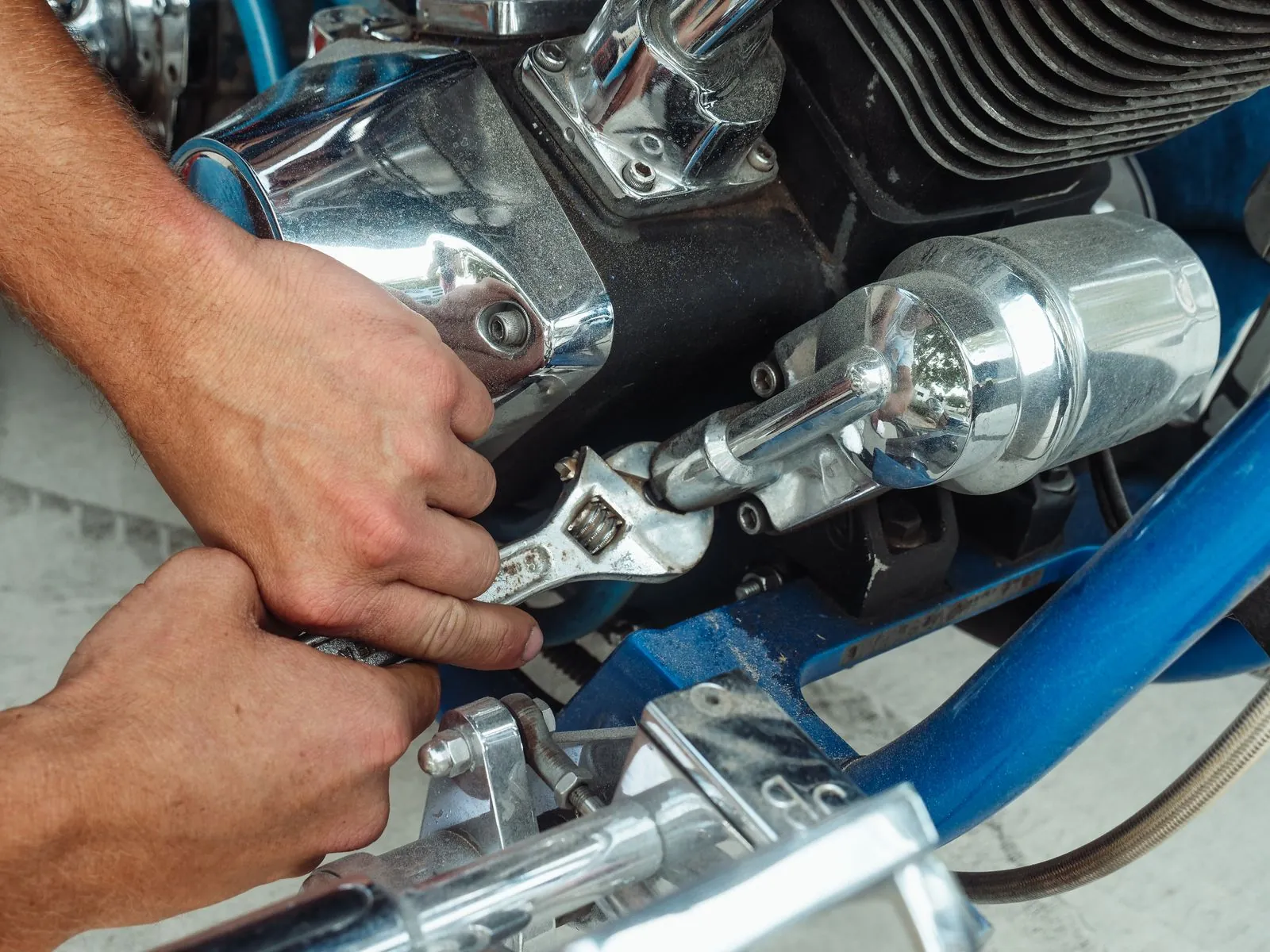
Thermal imaging for motorcycle maintenance isn't about replacing your mechanic — it's about catching problems early, understanding your bike better, and having confidence before a long tour. A 5-minute thermal scan after a test ride can find a dragging brake, a failing bearing, or an electrical hot spot before it becomes a roadside emergency. At $200, that's cheap insurance.
Buy on Amazon
Affiliate Disclosure: As an Amazon Associate I earn from qualifying purchases. If you buy through these links, I may earn a small commission at no extra cost to you.