In This Article
The Getaway to Newfoundland: Ferry Life and Riding The Rock
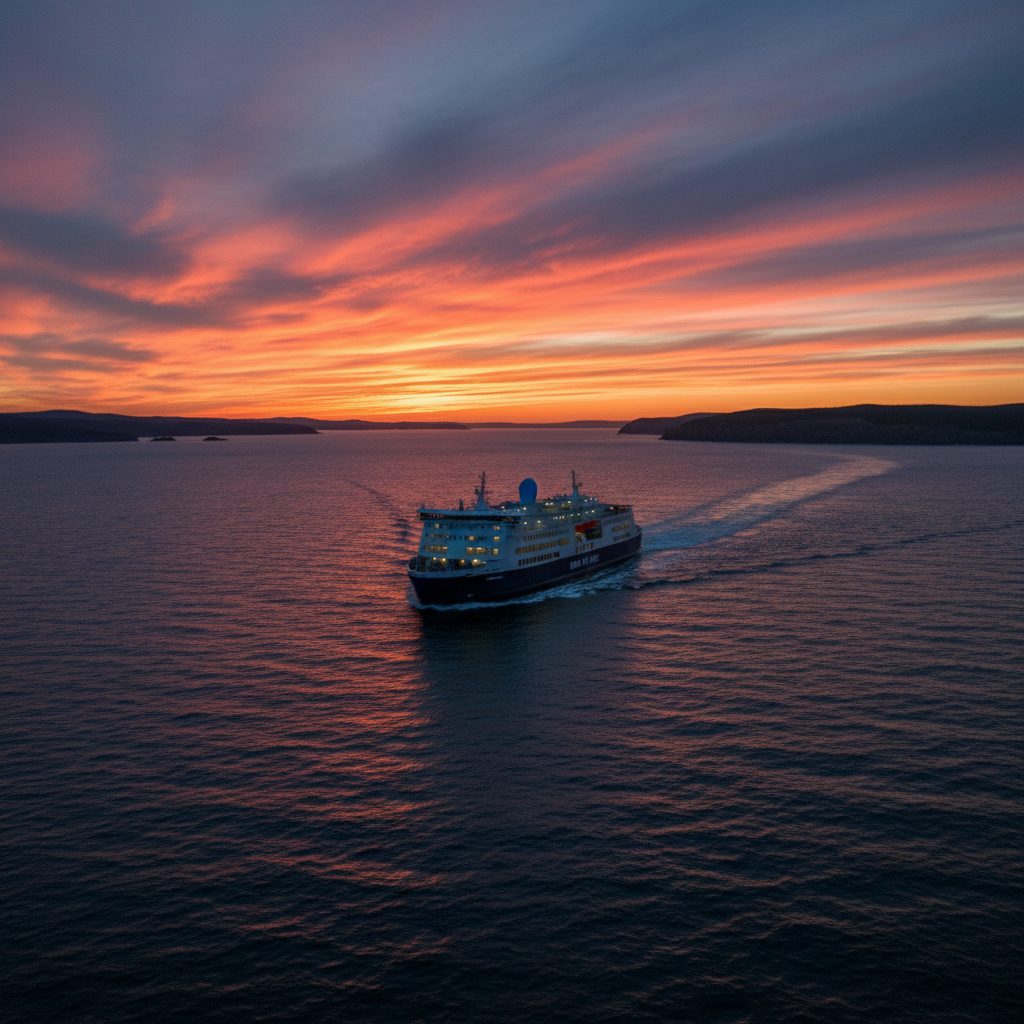
Photo by Trace Hudson via Pexels
Newfoundland is different. There's no other way to say it. The moment you ride off that ferry at Port aux Basques, you know you're somewhere that plays by its own rules — a landscape so ancient and raw it makes the rest of eastern Canada feel tame by comparison. Moose outnumber people in most of the province. The roads stretch for hundreds of kilometres with nothing on either side but boreal forest, tundra-like barrens, and views that'll stop you cold. This is the bucket list ride for Atlantic Canada motorcyclists, and it earns every bit of that reputation.
But first, you have to get there. And that means the ferry.
The Marine Atlantic Ferry: Everything You Need to Know
There is no bridge to Newfoundland. The only way across is via Marine Atlantic, the federal crown corporation that has been running ferries between Nova Scotia and Newfoundland for decades. Understanding the ferry system before you go will save you stress and money.
The Two Routes
| Route | Crossing Time | Season | Notes |
|---|---|---|---|
| North Sydney, NS → Port aux Basques, NL | ~7 hours | Year-round | Most popular route. Two sailings most days. |
| North Sydney, NS → Argentia, NL | ~16 hours | Summer only | Deposits you near St. John's. Overnight crossing. |
For most motorcycle trips, Port aux Basques is the entry point — it's the shorter crossing and puts you at the southwest tip of the island where the Trans-Canada Highway begins. The Argentia route is worth considering if your goal is to spend most of your time in the Avalon Peninsula around St. John's and you want to skip the 900 km Trans-Canada grind from Port aux Basques to the capital.
What It Costs for a Motorcycle
Marine Atlantic Rates (one way, Port aux Basques route)
- Passenger (adult): ~$21.92 (includes fuel surcharge + security fee)
- Motorcycle / ATV: ~$28.93 (includes fuel surcharge)
- Motorcycle with sidecar or trailer: ~$42.54
- Two-bed cabin: $126.50
- Four-bed cabin: $139.50
- Passenger pod (reclining seat area): $75.50
HST is not charged on passenger and vehicle fares, but is applied to accommodations and onboard purchases. Rates subject to fuel surcharge adjustments — check marineatlantic.ca for current pricing.
For a solo rider, a return trip with a cabin each way runs approximately $350–400 all in. That's the cost of getting to Newfoundland. Budget accordingly.
Booking Tips
- Book as early as possible. Summer sailings, especially July and August on the Port aux Basques route, fill up well in advance. Marine Atlantic recommends booking months ahead during peak season.
- Get a cabin. Seven hours in a ferry seat is manageable. Seven hours overnight without a cabin is rough. On the Port aux Basques overnight sailing, a two-bed cabin is absolutely worth the money. You arrive rested and ready to ride.
- Check in early. Motorcycle loading typically happens before cars. Arrive at the terminal at least 90 minutes before departure — Marine Atlantic recommends even earlier in peak season. Late arrivals can lose their spot.
- Reserve online at marineatlantic.ca. Phone reservations are available but the website is more convenient and shows real-time availability.
The Crossing Itself
Your motorcycle goes into the vehicle hold, strapped down by the ship's crew. Don't stress about this — they do it all day and know what they're doing. Take your helmet and any valuables with you to the passenger decks. The vehicle hold is locked during crossing. For more, see an October crossing to Newfoundland.
The crossing varies depending on weather. The Cabot Strait between Cape Breton and Newfoundland is one of the rougher stretches of water on the east coast — if there's a storm system running, you'll feel it. On a calm day the crossing is genuinely pleasant: ocean air, seabirds, sometimes whales in the strait. On a rough day, find a cabin bunk and lie flat. The ferries are large and modern, but the Cabot Strait doesn't care how big your boat is.
Onboard amenities include a cafeteria-style restaurant, a bar lounge, TV areas, and the aforementioned cabins. Wi-Fi is available but inconsistent — treat it as a digital detox and enjoy the crossing for what it is.
Riding The Rock: Where to Go
Port aux Basques → Deer Lake: The Opening Act
The 290 km stretch of the Trans-Canada from Port aux Basques to Deer Lake is where Newfoundland first introduces itself properly. The Codroy Valley in the early miles is pastoral and beautiful. As you climb into the interior, the landscape shifts into something more dramatic — rolling barrens, long exposed ridgelines, and a sense of genuine wilderness. The Long Range Mountains form a backdrop for most of this stretch. Moose warning signs are not decoration here. Dawn and dusk are active moose periods — take them seriously.
The Viking Trail: The Main Event
Route 430 north from Deer Lake to St. Anthony is called the Viking Trail and it is, without exaggeration, one of the best motorcycle roads in North America. The full run from Deer Lake to the tip of the Northern Peninsula is approximately 450 km one way, and every kilometre delivers.
Key stops along the Viking Trail:
- Gros Morne National Park: A UNESCO World Heritage Site covering 1,800 km². Western Brook Pond — a freshwater fjord — and the Tablelands (exposed mantle rock from the earth's crust, one of very few places on earth where it's accessible) are the must-sees. The Tablelands look like Mars. Budget a full day minimum inside the park.
- Lobster Cove Head Lighthouse: Just outside Rocky Harbour, this lighthouse sits on a point above the Gulf of St. Lawrence with incredible views in all directions.
- The Arches Provincial Park: Sea arches carved by waves into Ordovician limestone — stop and walk down to the shore.
- Port au Choix: A National Historic Site with evidence of four distinct Indigenous cultures spanning 5,500 years. Remarkable.
- L'Anse aux Meadows: At the very tip of the peninsula. The only authenticated Viking settlement in North America, dating to around 1000 AD. Actual Norse buildings reconstructed on the original site. If you ride all the way up here and skip this, you've made a mistake.
The Avalon Peninsula: St. John's and the East
If you have the time to push across the island to St. John's (about 900 km from Port aux Basques on the Trans-Canada), the Avalon Peninsula is its own adventure. St. John's is one of the most distinctive cities in Canada — colourful row houses, George Street, Signal Hill with its view over the North Atlantic. Cape St. Mary's Ecological Reserve on the southern tip of Avalon is a seabird colony of staggering scale — tens of thousands of gannets on sea stacks right at arm's length. It is wild.
Planning Your Week on The Rock
| Day | Route | Distance |
|---|---|---|
| Day 1 | Ferry arrives Port aux Basques → Deer Lake (base for Gros Morne) | ~290 km |
| Day 2 | Gros Morne National Park — Tablelands, Western Brook Pond, Rocky Harbour | ~100 km in park |
| Day 3 | Deer Lake → St. Anthony (Viking Trail north, stops along the way) | ~450 km |
| Day 4 | L'Anse aux Meadows, explore the tip, return south to Gros Morne area | ~200 km |
| Day 5 | Head east on TCH toward Terra Nova or Gander | ~400 km |
| Day 6 | Push to St. John's or return toward Port aux Basques for ferry | ~300-500 km |
| Day 7 | Return ferry from Port aux Basques to North Sydney | — |
Essential Tips for Riding Newfoundland
Final Thoughts
Newfoundland is the kind of place that changes how you think about motorcycle travel. The scale is different. The emptiness is different. The feeling of being genuinely remote — of knowing that the next gas station is 150 km away and there's nothing between here and there but boreal forest — is different from anything else in Atlantic Canada. The ferry is part of the adventure, not just a means to an end. The crossing itself sets the tone: you're leaving the mainland behind and going somewhere that earns its reputation.
Do it once and you'll be planning the return trip before you're even back home.
Frequently Asked Questions
How do you get a motorcycle to Newfoundland?
Marine Atlantic operates the ferry service from North Sydney, Nova Scotia to Port aux Basques or Argentia. Booking in advance is strongly recommended especially in summer — motorcycle spots fill quickly.
How much does it cost to take a motorcycle on the Newfoundland ferry?
Marine Atlantic pricing varies by season and route. Budget approximately $200–400 for a motorcycle plus driver for the North Sydney to Port aux Basques crossing, more for Argentia. Check marineatlantic.ca for current rates.
Is Newfoundland good for motorcycle touring?
Incredible — but demanding. The scenery at Gros Morne, the Viking Trail, and the Southern Shore is world-class. Watch for moose — they are a genuine life-threatening hazard, especially at dawn and dusk.