Indian Motorcycle Adds 60 Spirit Lake Jobs, Cuts 70 Corporate Roles
Indian Motorcycle is adding up to 60 manufacturing jobs at Spirit Lake and cutting about 70 corporate roles as it separates from Polaris. What it means.
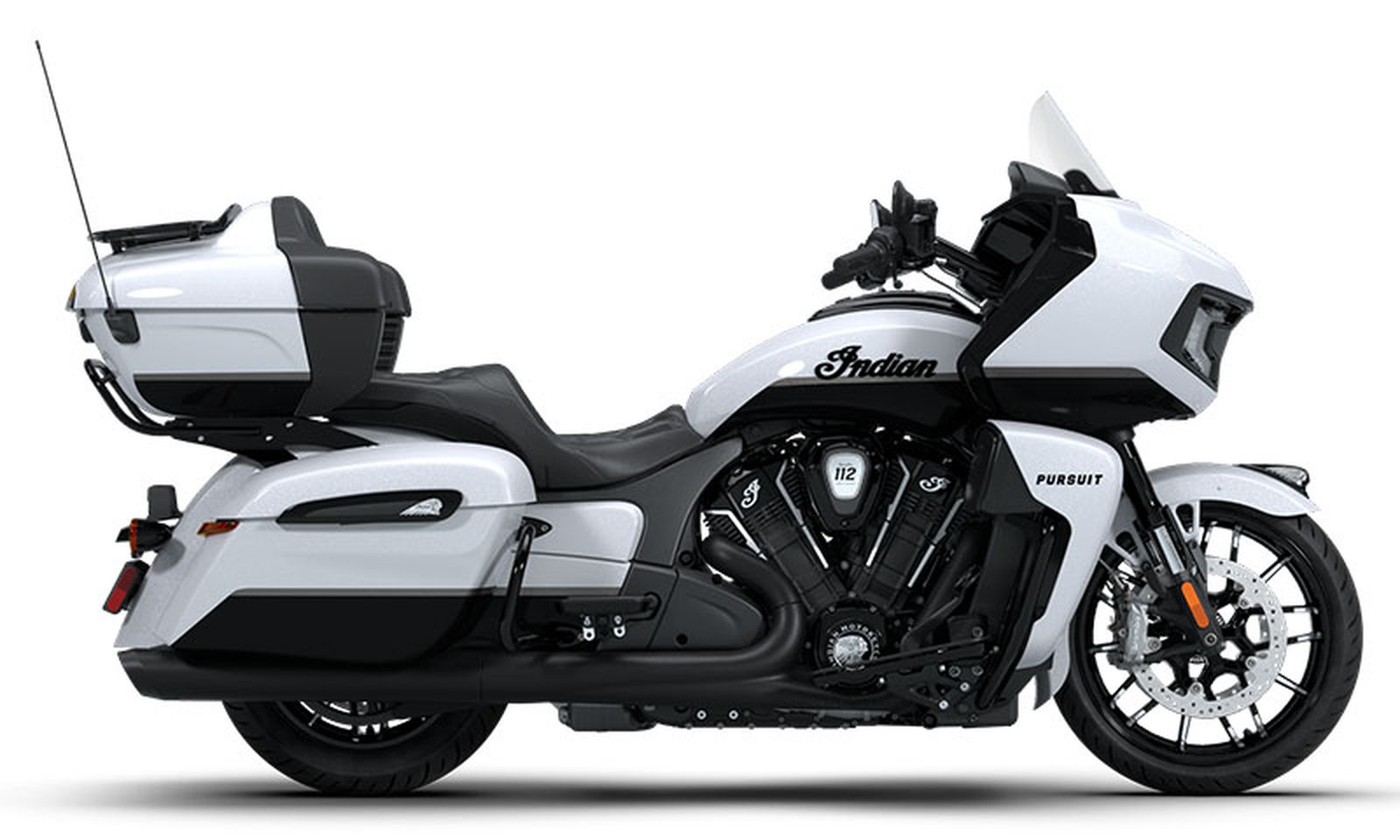
Photo: Greg Toope
In this article
- What Indian announced on October 28
- Spirit Lake just became the whole story
- The CEO language tells you the priority
- Why the Polaris split matters to owners
- Indian in Canada, from where I sit
- The February handover, and why this is phase two
- What a smaller, sharper Indian means for the model line
- What to watch over the next year
What Indian announced on October 28
Indian Motorcycle announced the next phase of its transition from a Polaris-owned brand to a free-standing company. The headline numbers: up to 60 additional manufacturing positions at the Spirit Lake, Iowa plant, as many as ten corporate positions being filled in finance and administration, and roughly 70 positions eliminated across various divisions. The company was careful to describe the overall staffing impact as net-neutral. The work is about untangling Indian from Polaris's shared corporate services, the finance, HR and admin functions that a small brand borrows from a large parent, and rebuilding them inside Indian itself now that it has to stand alone.
Spirit Lake just became the whole story
The most consequential detail for anyone who cares about the bikes is what happened at Spirit Lake beyond the hiring. Indian recently added engine manufacturing to the plant's scope and strengthened paint operations there. Engine production moving in-house at Spirit Lake is a real structural change, not a press release flourish. It means the plant is no longer just assembling bikes from crates of parts shipped in; it is building the thing at the centre of the motorcycle. For a brand that leaned on the Polaris supply chain for years, owning engine production on American soil is the most concrete expression of the independence story.
The CEO language tells you the priority
Mike Kennedy, Indian's CEO, put it plainly: as stated when the company assumed control of the business in February, the commitment is to strengthen the business for long-term success with American manufacturing at its foundation. He also said Spirit Lake is strategically foundational for the future, and described the eliminated roles as difficult decisions made while recognising the impact on the people affected and their families. That is corporate language, but the ordering is informative. Manufacturing capacity and the American-built identity come first in every sentence. Everything else is framed as support for that.
Why the Polaris split matters to owners
This is the part that affects you whether or not you ever set foot in a dealership. When Indian was under Polaris, warranty administration, parts logistics, dealer systems and financing all ran through shared corporate plumbing. Separating that means Indian has to build its own versions, and the transition period is exactly when administrative mistakes happen: slow warranty approvals, parts backorders, dealer software confusion. The company says sales, warranties and service support continue globally, and there is no reason to doubt the intent. But if you own an Indian and you are planning a big service or a warranty claim this winter, file it early and keep your own copies of the paperwork. That is good practice in any year, and it is better practice during a corporate separation.
Indian in Canada, from where I sit
This is an American manufacturing story with Canadian consequences. My Pursuit came through the Canadian dealer network, and every part I have ordered has crossed a border to get here. A stronger, more independent Indian with in-house engine production is good news for parts availability over the long haul, because it reduces reliance on a parent company's priorities. It also matters that Indian is investing in American manufacturing while trade policy between Canada and the US stays unpredictable. Tariffs and border friction are a live risk for anything built in Iowa and sold in Atlantic Canada, and I have written about what that means for motorcycle parts pricing before. A committed parent with its own balance sheet is more likely to absorb that friction than a brand with divided attention.
The February handover, and why this is phase two
Carolwood assumed official ownership of Indian Motorcycle in February 2026, ending the Polaris era. The seven months since then have been spent, in the company's own framing, identifying duplicated functions and structural inefficiencies created during the separation. That timeline explains why this announcement looks the way it does. In February, nothing could be cut, because Indian was still leaning on Polaris for payroll, finance, legal and admin. Building those functions first and then removing the overlap is the order that actually works. Read this week's news as the end of that first phase rather than the beginning of something new. The company is now filling as many as ten positions for work that Polaris staff kept doing after the sale, which is a small number and tells you how close the separation is to done.
What a smaller, sharper Indian means for the model line
Independent companies with their own manufacturing tend to simplify, because complexity is what kills small manufacturers. Polaris could afford to run a broad Indian lineup across cruisers, baggers, tourers and the FTR because the overhead was shared with a much larger business. Standing alone, Indian has to justify every platform. That is not a prediction of any model being cancelled, and the company has said nothing of the kind. It is simply the pressure that independent manufacturers operate under, and it is worth understanding as a buyer. If you are shopping an Indian in the next year, the strong-selling platforms, the ones with the deepest dealer support and the most aftermarket coverage, are the ones that survive any rationalisation. That is the same advice I give about any brand, and it holds whether or not the corporate structure changes.
What to watch over the next year
Three things, in order of importance to riders. One: whether Spirit Lake engine production shows up as better delivery times on new orders or as a marketing badge. Two: whether dealer parts and warranty service stay smooth through the separation, which will show up in owner forums long before any press release admits it. Three: whether Indian's model line gets simpler or broader now that it controls its own manufacturing. The restructuring is designed to support long-term profitability and growth. For those of us who ride the bikes, profitable and stable is the outcome we want, because brands that cannot pay their bills stop stocking parts. I would rather see 70 corporate roles cut than see a parts department starve.
Frequently Asked Questions
How many jobs is Indian Motorcycle adding?
Up to 60 additional manufacturing positions at the Spirit Lake, Iowa plant, plus as many as ten corporate positions in finance, corporate administration and related functions.
How many positions are being eliminated?
Approximately 70 positions across various divisions, as Indian removes staffing overlap inherited from its Polaris ownership. The company describes the overall staffing impact as net-neutral.
Does this affect Indian warranties and parts?
Indian says sales, warranty and service support continue globally. Because the company is rebuilding functions previously handled by Polaris, filing warranty claims early and keeping copies of paperwork is a sensible precaution this winter.