
Photo: Image: Property of Honda
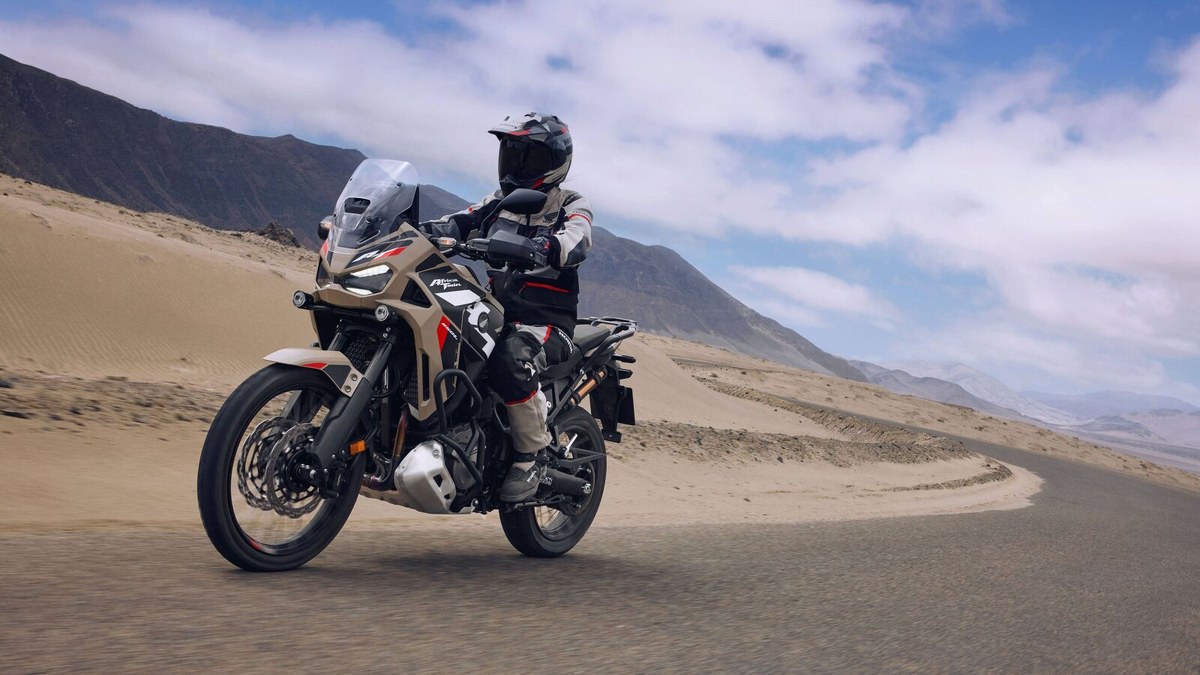
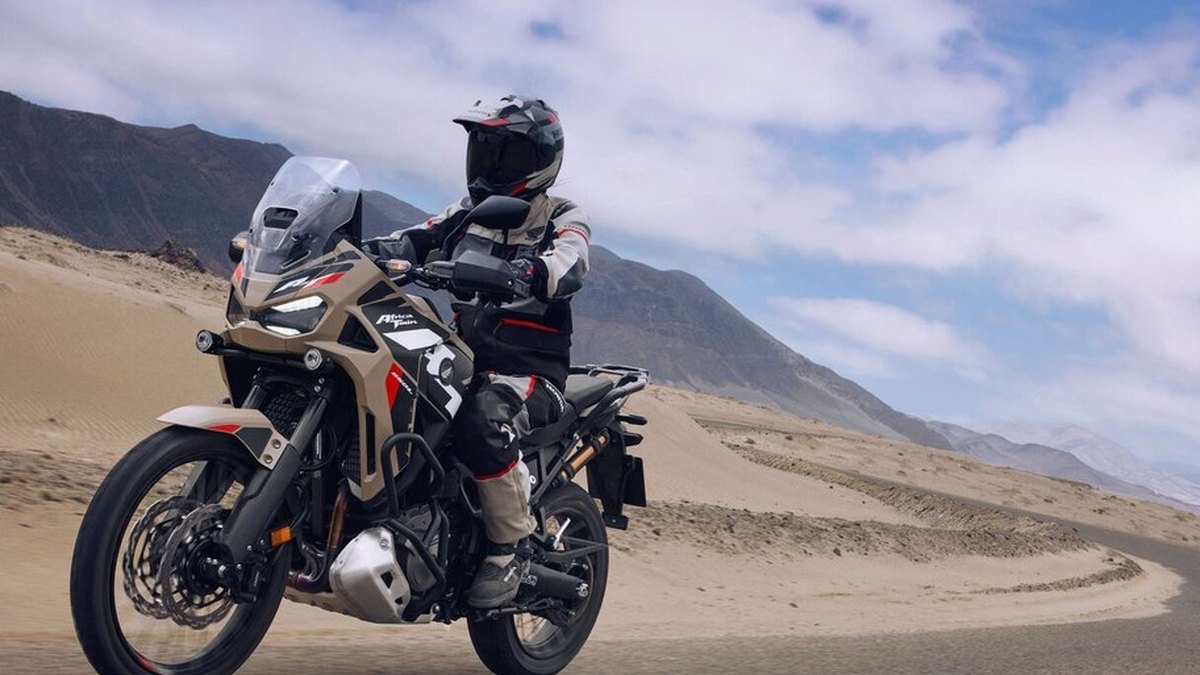
Honda introduced SENSING RIDE at EICMA on November 3 and put it on the Africa Twin Adventure Sports first. Here is what the ten functions actually do for a touring rider, which one matters most in a group, and the limits Honda states in writing.
What Honda SENSING RIDE Is
Honda introduced Honda SENSING RIDE at EICMA on November 3, 2026, and the 27YM CRF1150L Africa Twin Adventure Sports is the first model to get it. The hardware is a millimeter-wave radar unit at each end of the motorcycle: one facing forward, one facing back.
The name is borrowed from Honda's car system, but the application is different. On a bike, a radar that brakes for you is a very different proposition than one that warns you, which is why Honda's own language about limits matters as much as the function list.
The Ten Functions, in Plain Terms
Honda lists ten: ACC, ACC with Stop and Go, Group Ride Assist, Distance Assist, Emergency Brake Assist, Forward Collision Warning, Brake Pulse, Blind Spot Information, Rear Collision Warning and Rear Distance Information.
| Function | What it actually does for a touring rider |
|---|---|
| ACC | Holds a set gap to the vehicle ahead instead of a fixed speed |
| ACC with Stop and Go | Brings the bike to a stop and restarts it in traffic, with DCT |
| Group Ride Assist | Maintains following distance in a group, including staggered formation |
| Distance Assist | Adjusts the gap setting to conditions rather than a fixed number |
| Emergency Brake Assist | Adds braking force when it judges you need more |
| Forward Collision Warning | Alerts before a closing-speed problem becomes a crash |
| Brake Pulse | Flashes the brake light to warn traffic behind |
| Blind Spot Information | Warns about a vehicle in the rear quarter |
| Rear Collision Warning | Warns that something is closing on you from behind |
| Rear Distance Information | Shows how close the vehicle behind actually is |
Group Ride Assist Is the Interesting One
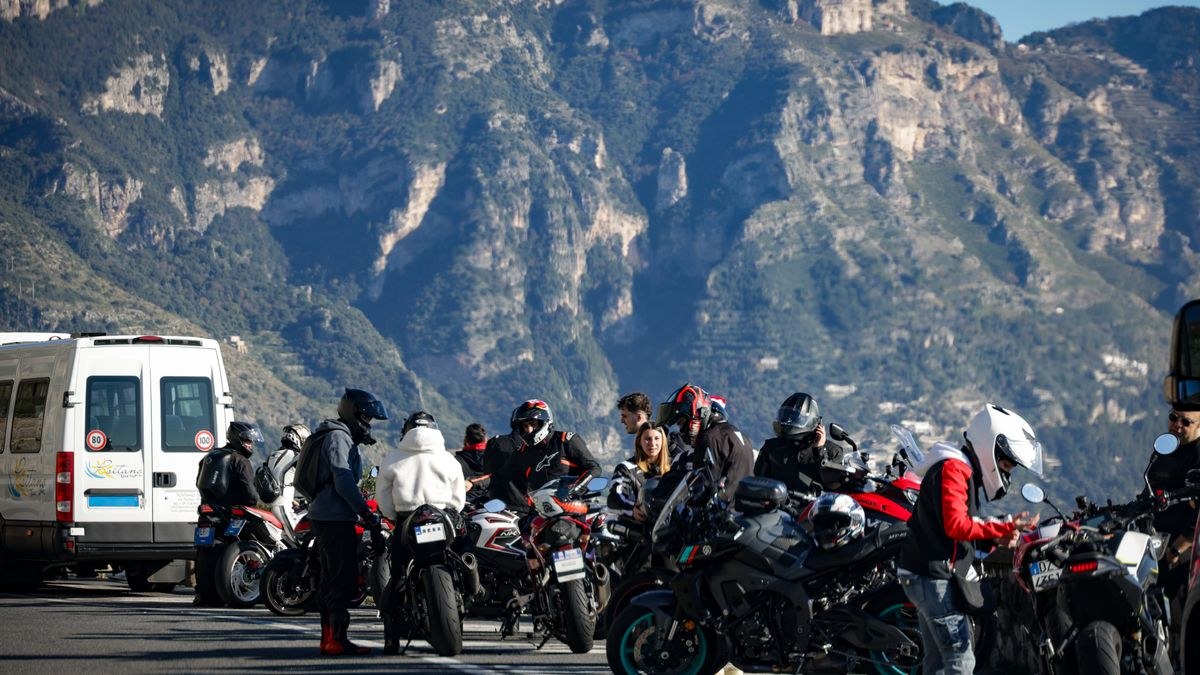
Most rider aid lists are about you and the car in front. Group Ride Assist is about you and the four bikes around you, and specifically about staggered formation: it maintains following distance in a group, which is the one assist that maps directly onto how touring riders actually ride together.
Anyone who has ridden in a group knows the problem it targets. The gap breathes, someone closes up, someone falls back, and the whole formation concertinas for two hours. An assist that holds that distance is worth more on a Sunday group ride than a lap-time aid is on a track.
Combined with DCT, ACC with Stop and Go covers automatic stopping and smooth restarting in traffic. Honda introduced DCT to motorcycles in 2010 and has developed it continuously since, which is why the combination is plausible rather than experimental.
What Honda Says It Cannot Do
Honda states plainly that the functions are rider-assistive only, that recognition and control capability is limited, and that riders must not overestimate them.
That is not legal boilerplate to skip past. A radar sees what it is pointed at, and on a motorcycle the failure cases are specific: a bike leaning into a corner is not where the radar thinks it is, a small vehicle can be missed, and a radar that cannot see does not brake.
The correct mental model: these systems reduce workload on boring roads. They do not take over, and Honda says so in writing.
Should a Touring Rider Care?
If you ride long highway days to get somewhere, yes: ACC alone changes how tired you are at the end of a 900 km day, and Blind Spot Information is genuinely useful with panniers blocking your peripheral view.
If you ride mostly twisty back roads, the value drops sharply. Adaptive cruise is irrelevant in a corner and the blind spot warning is a mirror check you should already be doing.
The practical question is not whether the aids work, but whether you want to be an early owner of a first-generation Honda radar system on a bike that costs what an Africa Twin Adventure Sports costs. Honda's own caution suggests the first year of ownership is best approached the same way: as an assist, not a guarantee.
Frequently Asked Questions
What is Honda SENSING RIDE?
Honda's rider-assist system introduced at EICMA on November 3, 2026, using millimeter-wave radar units at the front and rear of the motorcycle. The 27YM CRF1150L Africa Twin Adventure Sports is the first model to get it.
How many functions does it include?
Ten: ACC, ACC with Stop and Go, Group Ride Assist, Distance Assist, Emergency Brake Assist, Forward Collision Warning, Brake Pulse, Blind Spot Information, Rear Collision Warning and Rear Distance Information.
What does Group Ride Assist do?
It maintains following distance in a group, including in staggered formation.
Does it brake for you?
Emergency Brake Assist adds braking force when it judges you need more, but Honda states the functions are rider-assistive only and that riders must not overestimate them.
Does it work with DCT?
Yes. Combined with Honda DCT, ACC with Stop and Go covers automatic stopping and smooth restarting in traffic.
Sources
- Honda EICMA 2026 announcement. Honda SENSING RIDE introduction, the ten functions, Group Ride Assist, radar hardware, and Honda's written statement on system limits.