How to Prepare for Fall Motorcycle Riding in Atlantic Canada
Fall riding can be some of the best riding of the year, but shorter daylight, cold pavement, wet leaves, and changing weather demand a different checklist. A few minutes before leaving can prevent a long, uncomfortable day.
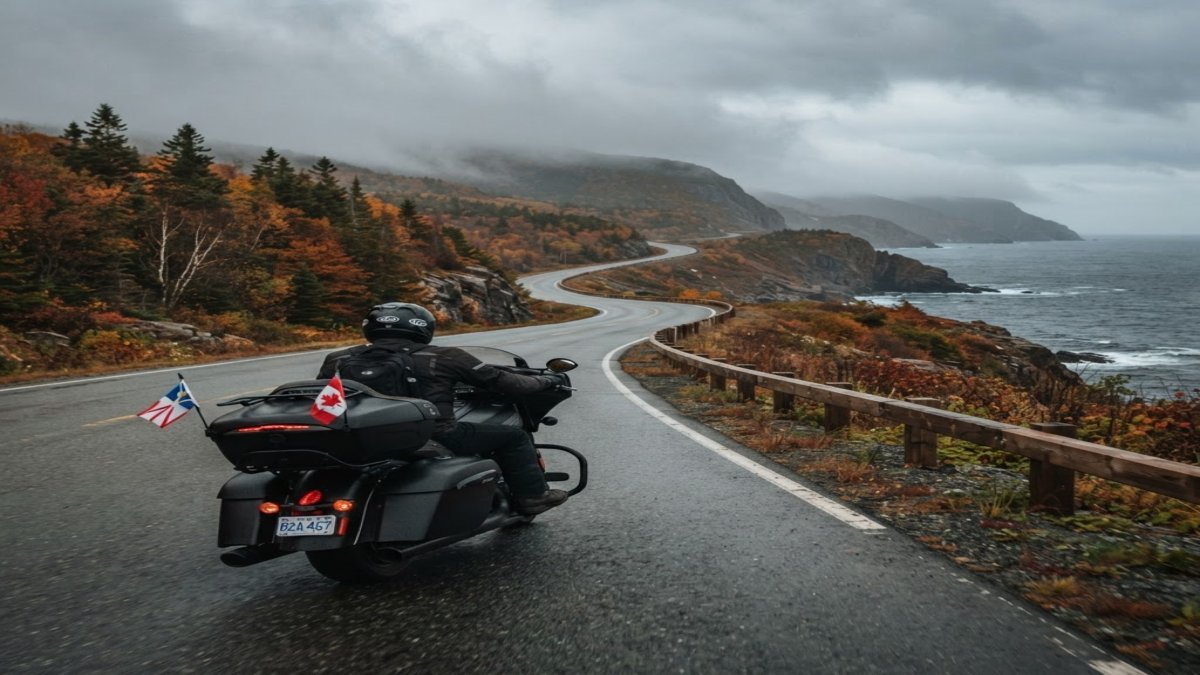
Table of Contents
What changes in fall?
Air temperature is only part of the problem. The road may be cold even when the afternoon feels comfortable, and wet leaves can hide rough pavement or reduce grip. Daylight disappears quickly, while coastal wind can make the return leg much colder than the morning departure.
The pre-ride checklist
| Check | What to look for |
|---|---|
| Tires | Correct pressure, usable tread, and no damage from summer riding. |
| Lights | Headlight, brake light, turn signals, and clean lenses for shorter days. |
| Clothing | Layers, waterproof outer shell, gloves that still allow control feel. |
| Route | Fuel, daylight, road conditions, and a turnaround point if weather worsens. |
Ride for the surface, not the calendar
Cold tires and damp pavement reward smooth inputs. Leave more following distance, brake earlier, and do not assume a familiar corner has the same grip it had in July. If visibility drops or the road is wet and covered in leaves, slowing down is route planning, not weakness.
What to carry
A compact rain layer, warmer gloves, a charged phone, a power bank, and a basic roadside kit earn their space in fall. Keep a dry layer available for the ride home. The forecast at departure is not the forecast six hours later.
Read the whole-day forecast, not one temperature
Atlantic Canadian weather can change sharply between the inland start of a ride and a coastal destination. Check hourly temperature, precipitation, wind speed and direction, sunset time, and the forecast for the return route. A pleasant afternoon number can hide a cold morning departure or a much cooler ride home after sunset.
Use more than a weather icon. A low chance of rain does not explain whether roads are still wet from overnight weather, whether fog is likely near the coast, or whether wind will become a problem on exposed bridges. If the forecast is marginal, shorten the route before leaving rather than trying to rescue an ambitious plan late in the day.
The motorcycle check that matters in fall
| Check | What to look for | Why fall makes it important |
|---|---|---|
| Tire pressure | Measure cold and use the motorcycle manufacturer's specification | Pressure changes with temperature and grip is already reduced on cold or wet surfaces |
| Tread and damage | Uneven wear, cuts, embedded objects, adequate tread | Standing water and leaf-covered roads leave less margin |
| Battery | Slow starting, loose terminals, charging issues | Cooler temperatures expose a weak battery |
| Lights | Headlight, brake light, signals, auxiliary lights | Shorter days and fog increase reliance on visibility |
| Controls and brakes | Smooth operation and normal feel | Wet surfaces require predictable, progressive inputs |
Clean the visor and lights before leaving. Low sun, mist, road spray, and a dirty shield can reduce contrast exactly when deer, potholes, and debris are hardest to see.
Dress for wind chill and changing effort
Layering works better than relying on one bulky garment. Start with a moisture-managing base layer, add insulation, then use a windproof and waterproof outer layer. Keep the neck, wrists, and ankles sealed because small air gaps can cool the body quickly at road speed.
Hands often become the limiting factor. Warmer gloves, heated grips, hand guards, or heated liners can preserve comfort and control, but make sure thicker gloves still allow precise use of the brake, clutch, and switches. Pack the rain layer where it can be reached without unpacking the motorcycle in a downpour.
Fall hazards require a different pace
Wet leaves can hide gravel, painted lines, potholes, and changes in pavement. Treat leaf-covered sections as unknown surfaces: reduce speed before entering, keep the motorcycle as upright as practical, and avoid abrupt braking or acceleration. Frost is possible first on shaded roads, bridges, and low-lying areas even when the general route feels rideable.
Low sun can be as disruptive as rain. If glare removes your view of the road ahead, slow down and increase space rather than following the taillights in front of you. A clear visor and suitable eye protection help, but they do not restore information that glare has erased.
Plan for darkness and wildlife
Shorter daylight means a normal lunch stop can push the final hour into dusk. Build the route backwards from sunset and leave a reserve. Wildlife activity and reduced visibility make dusk and dawn poor times to rush through wooded roads.
Choose fuel and rest stops before leaving. In smaller communities, seasonal hours can change, so verify the important stop rather than assuming it will be open. Download the route and carry enough power to keep the phone available for communication.
A simple go, shorten, or cancel decision
Go when the road is dry or predictably manageable, visibility is good, wind is within your comfort level, and you have warm, waterproof gear. Shorten the route when rain timing is uncertain, sunset is close, or temperatures will fall sharply. Cancel when freezing conditions, severe wind, poor visibility, or fatigue remove the safety margin.
Turning back is not a failed ride. In fall, good judgment is part of the skill. The road will still be there on a better day.
Related Articles
How to Winterize a Motorcycle in CanadaA step-by-step storage plan for a five-month winter. How Hot Is Too Hot for Motorcycle Riding?
Planning around temperature, hydration, and fatigue. Spring Motorcycle Preparation Checklist
What to inspect before the next riding season.