PC Prices Are Rising in 2026: Why Memory Costs Are to Blame
Global PC shipments fell 21 percent in Q3 as memory chip prices climbed. Why AI servers are making your next laptop more expensive, and what to do.
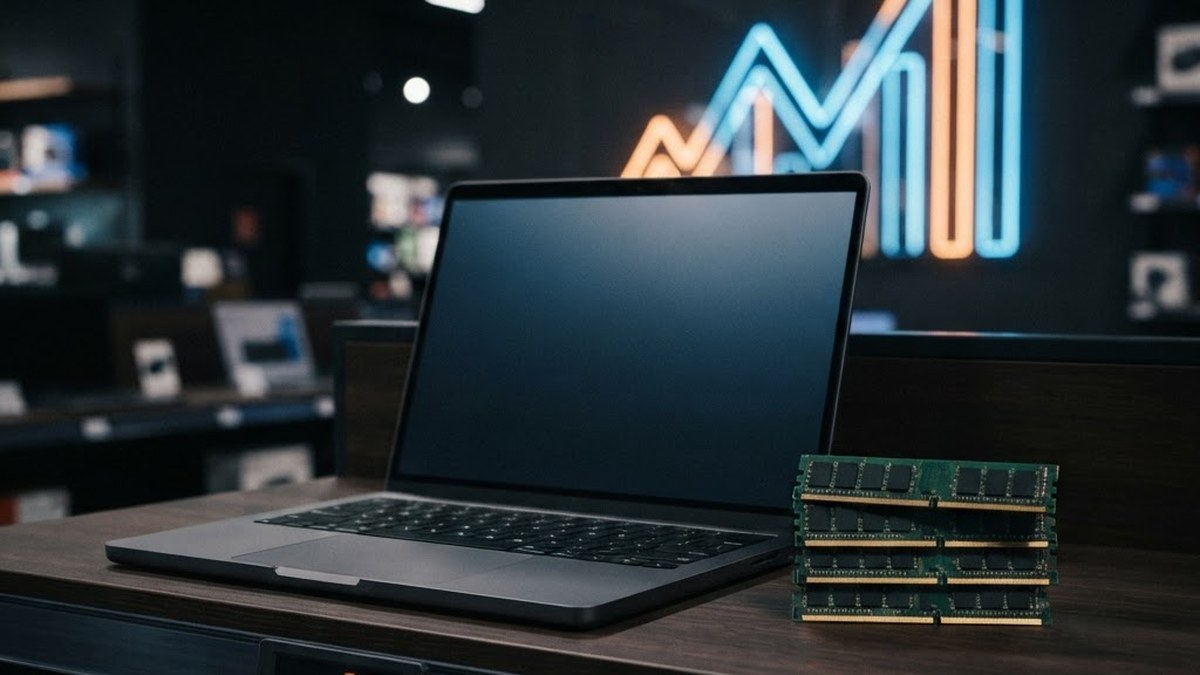
Illustration: AI-generated image
In this article
The numbers nobody wanted
Counterpoint Research's preliminary Q3 2026 data says global PC shipments fell 21 percent year over year to 57 million units, and the research firm expects the decline to deepen to 27 percent in Q4. Every one of the top five brands shipped fewer machines. The driver is not weak demand for computers; it is the price of the parts inside them, memory above all, and the pressure is being passed straight to the shelf price.
How AI is eating your laptop's budget
The same memory chips that go into laptops and desktops are being bought in enormous volumes for AI servers, and when hyperscalers compete for fab capacity, prices rise for everyone downstream. That is why memory and component costs are pushing PC prices up at the same time shipments fall, a squeeze manufacturers cannot fully absorb and consumers increasingly refuse to pay. The result is the worst of both worlds: fewer PCs sold, at higher prices each.
What it means for buyers right now
Three practical effects are already visible. Entry-level laptops are getting thinner on RAM and storage as brands protect price points, so the cheap machine you buy may be more compromised than last year's model. Mid-range configurations are quietly rising in price. And deals that look like discounts are increasingly older stock, which is fine if the specs suit you but worth checking carefully when memory sizes are involved. Reading the RAM and storage line on a spec sheet has never mattered more.
Why 2027 probably does not fix it immediately
Counterpoint sees 2027 as roughly flat rather than recovering, which means no quick return to 2025-era pricing. Memory supply responds to fab construction timelines measured in years, not quarters. If you have been waiting for prices to fall back before replacing a machine, the honest advice from this data is that the wait may be long and the trend may not reverse soon, and buying sooner at a fair price beats waiting indefinitely for a sale the industry may not deliver.
How this connects to the Mac world
Apple buyers feel the same pressure in a different currency: unified memory is RAM, and the cost curves that inflate Windows laptop prices also pressure what Apple charges for its memory tiers. That makes the RAM decision on a new Mac even more consequential this year, since paying too little now means living with the shortfall for the whole life of the machine while prices for everything stay elevated.
The bottom line
The AI boom is a rising tide that is quietly lifting the price of every computer on the shelf. Treat 2026 as a year to buy deliberately: verify the memory and storage you actually need, compare against last year's model still on sale, and expect the budget end of the market to keep getting worse before it gets better. The data says the PC you are shopping for is more expensive for a reason, and the reason is not going away.
There is also a second-order effect worth watching for anyone who buys tech regularly. When component costs distort one category, brands shuffle their whole lineup to protect margins, and the pattern usually shows up first at the budget end: base configurations shrink, upgrade tiers get pricier, and last year's better-specified models quietly leave the channel. That is why the Q3 shipment numbers matter even to shoppers who never read a market report, because the report is describing the spec sheet in front of you, three months early.
Frequently Asked Questions
Why are PC prices going up in 2026?
Memory and component costs have risen sharply, driven largely by AI server demand competing for the same chip supply. Manufacturers are passing those costs to shelf prices, and Counterpoint's Q3 2026 data shows the result: shipments down 21 percent while prices climb.
How much did PC shipments fall in Q3 2026?
Global shipments fell 21 percent year over year to 57 million units, per Counterpoint's preliminary data, with all top-five brands declining. Q4 is forecast to drop 27 percent.
Is now a bad time to buy a laptop?
It is a time to buy carefully rather than badly. Spec scrutiny matters more than usual because entry-level machines are being configured down to protect price points, and waiting for prices to fall may not work in 2027 either.
Will PC prices come down in 2027?
Probably not significantly. Counterpoint expects a flat 2027, and memory supply depends on fab capacity that takes years to build. Plan purchases around current prices rather than waiting for a rebound.