Motorcycle Tracker vs Apple AirTag: What Really Works
⏱ 9 min readMotorcycles disappear every day, and locks only do so much. I already run Apple AirTags on my bikes, and I recently bought a 3-pack of the American Legend Rider Stealth Magnetic GPS Tracker with my own money to see whether a purpose-built "motorcycle tracker" actually beats the little Apple pucks. The honest answer starts with something the marketing buries: despite the name, most of these "GPS trackers" contain no GPS at all.
Table of Contents
The "GPS" Name Is Mostly a Lie
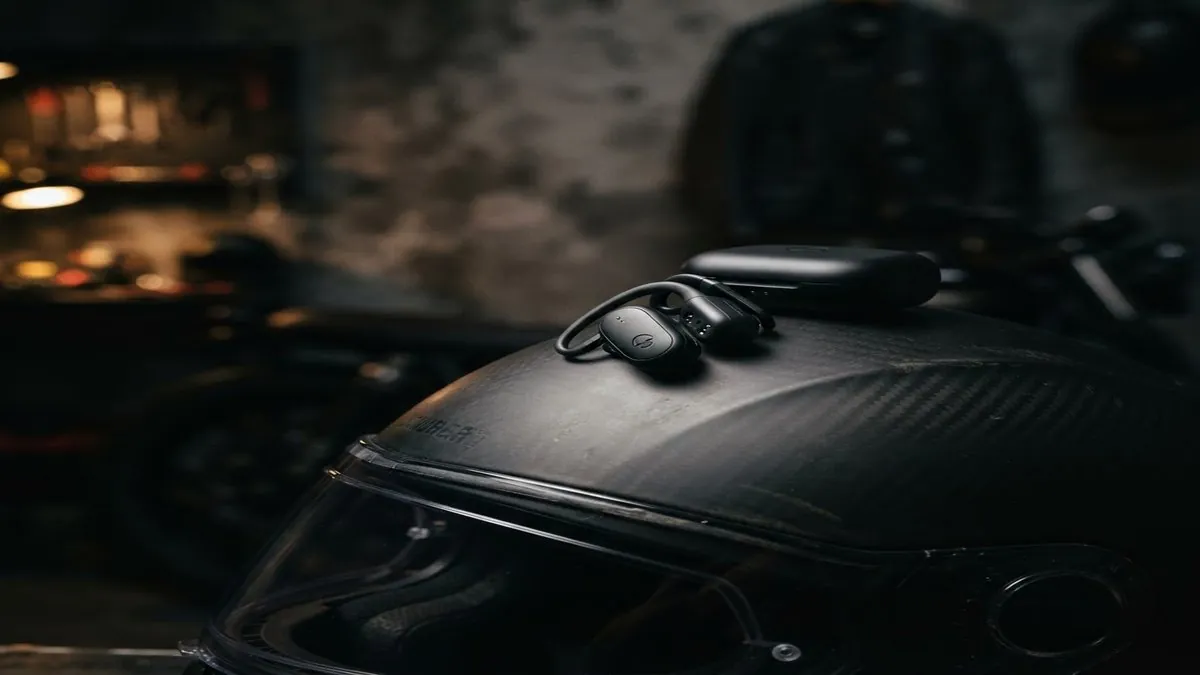
Here's the thing that surprised a lot of viewers of my video: the "stealth magnetic GPS tracker" I bought is not a cellular, real-time GPS device. It has no GPS receiver phoning home over a cellular network. Instead, it joins the same crowd-sourced networks a Bluetooth tracker uses — Apple's Find My network and Google's Find Hub. Its location only updates when another nearby Apple or Android device passes close enough to pick it up and relay the position.
That's not necessarily a dealbreaker. But it changes what the product is. You're not buying live tracking; you're buying a hidden, magnet-mounted Bluetooth beacon with a longer-than-AirTag feature set. Whether that's worth it depends on where your bike lives and where it might end up.
How Crowd-Sourced Tracking Actually Works
Both the AirTag and the magnetic tracker rely on the same core trick: the tag broadcasts a Bluetooth identifier, nearby phones anonymously relay it, and the network owner (Apple or Google) reports the position to you. The practical consequences:
- No nearby phones, no updates. A bike stolen to a rural area or a closed garage can sit silent for hours or days.
- City coverage is excellent. In any urban area, someone with an iPhone or Android walks past within minutes. Recovery odds are genuinely decent.
- Delay is the enemy. You see where the bike was, not where it is. Every update is a snapshot from the last passer-by.
What an AirTag Does Well
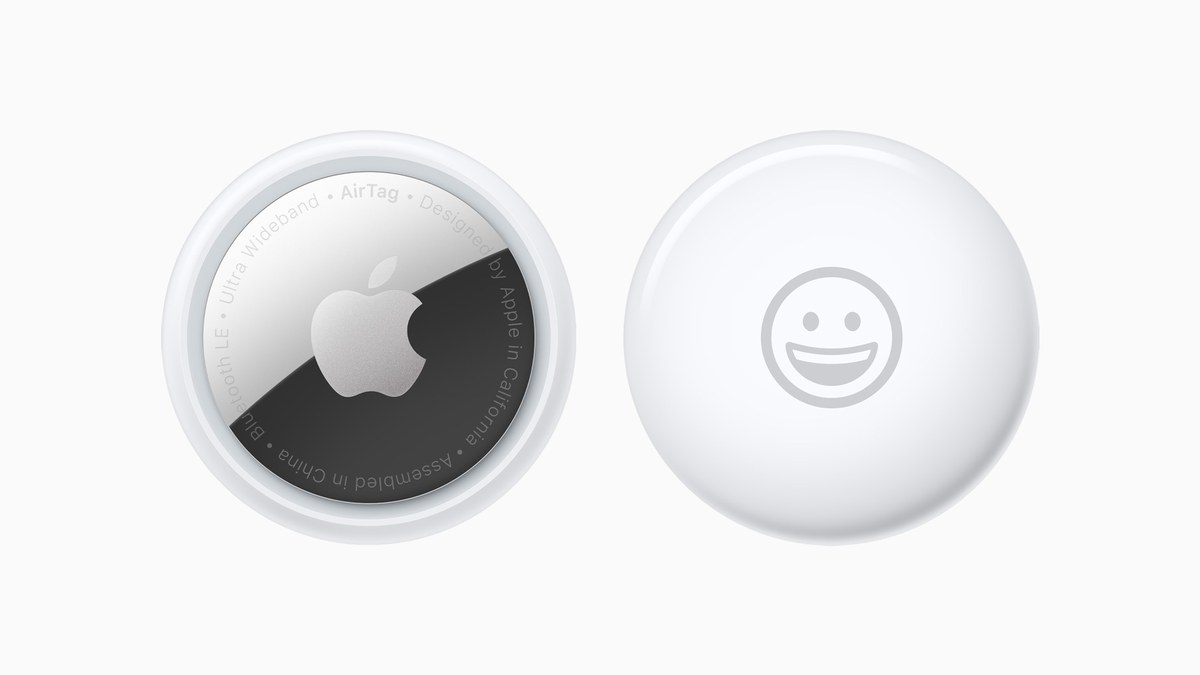
The AirTag is the cheapest, most polished crowd-sourced tracker you can buy. Apple's Find My network is enormous — hundreds of millions of Apple devices relaying tags. The user-replaceable CR2032 coin cell lasts about a year. If you have an iPhone, Ultra Wideband Precision Finding literally points you at the tag when you're close.
For a motorcycle, the weaknesses are equally clear: there's no magnetic mount, so you're velcro-ing or zip-tying a smooth plastic puck somewhere hidden. It's not built to live under a bike through a winter of road salt and pressure washing. And it only talks to Apple's network — no Android support at all, which matters if the person who needs to see the location uses a Google phone.
What a Dedicated Tracker Does Better
The purpose-built motorcycle trackers I looked at fix exactly the AirTag's mounting and ecosystem problems. The one I tested is a small magnetic box that clings straight to the frame — no adhesive, no brackets, and it hides in seconds under plastic or inside the frame rails. It also joins both Apple's Find My network and Google's Find Hub, so it reports positions to iPhones and Android phones alike. For a shared household or a riding buddy system, that dual support is a real advantage an AirTag can't match.
Where it falls short is the same place all crowd-sourced trackers fall short: no real-time tracking, no geofence alerts at the moment of theft, and a recovery story that depends on phone traffic around wherever the bike ends up.
The Comparison
| Apple AirTag | Magnetic "GPS" Tracker | |
|---|---|---|
| Real GPS / cellular | No | No — crowd-sourced despite the name |
| Tracking networks | Apple Find My only | Apple Find My + Google Find Hub |
| Mounting | Velcro/zip-tie, no magnet | Built-in magnetic mount |
| Built for the outdoors | No — indoor-item design | Weather-resistant housing intended for vehicles |
| Precision Finding (UWB) | Yes, on iPhone | No |
| Android support | None | Yes, via Find Hub |
| Running cost | CR2032 battery (~1 year) | Rechargeable/replaceable per model |
No tracker stops a thief. Disc locks, chains, and covering the bike matter more than any beacon, because every minute a thief spends messing with a lock is a minute they might leave. The tracker's job is recovery — treat it as the second layer, never the first.
What I'd Actually Recommend
If everyone in your household is on iPhone, an AirTag hidden well is still the best value in motorcycle recovery tech — cheap, tiny, a year of battery, and the biggest relay network behind it.
If you want something built to live on a bike — magnetic, weather-resistant, hidden in seconds, and visible to Android users too — a dual-network tracker like the one I tested earns its spot. I run both: knowing what each one can and can't do is what actually gets a bike back.
And if you want true real-time tracking — live position, geofence alerts, history — you're shopping for a cellular GPS tracker with a subscription, which is a different budget conversation entirely.
Check Current Pricing
Tracking options I use and compared:
Apple AirTag (4-Pack) on Amazon.ca | Amazon.com
Insta360 X5 on Amazon.ca | Amazon.com
Insta360 Ace Pro 2 on Amazon.ca | Amazon.com
Affiliate disclosure: Links above are Amazon affiliate links (tag greg015-20 on Amazon.ca, cruicana-20 on Amazon.com). I earn a small commission on qualifying purchases at no extra cost to you. The trackers I tested were purchased with my own money.
Frequently Asked Questions
Do cheap "GPS trackers" for motorcycles have real GPS?
Most don't. Despite the name, the typical magnetic "GPS tracker" has no GPS receiver and no cellular connection — it joins Apple's Find My network and Google's Find Hub, reporting a position only when a nearby phone passes by.
Is an AirTag good enough to protect a motorcycle?
As a recovery aid, yes. It runs on Apple's Find My network, the CR2032 battery lasts about a year, and Precision Finding makes locating it easy on iPhone. But it's not a security system: no lock, no alarm, no magnetic mount, and it only reports when an Apple device passes nearby.
What should you use for real-time motorcycle tracking?
A cellular GPS tracker with its own SIM and a subscription — typically $10 to $30 USD per month. Crowd-sourced trackers and AirTags are recovery tools: cheap to run, but only as good as the density of passing phones.