
Photo: Image: Property of Insta360
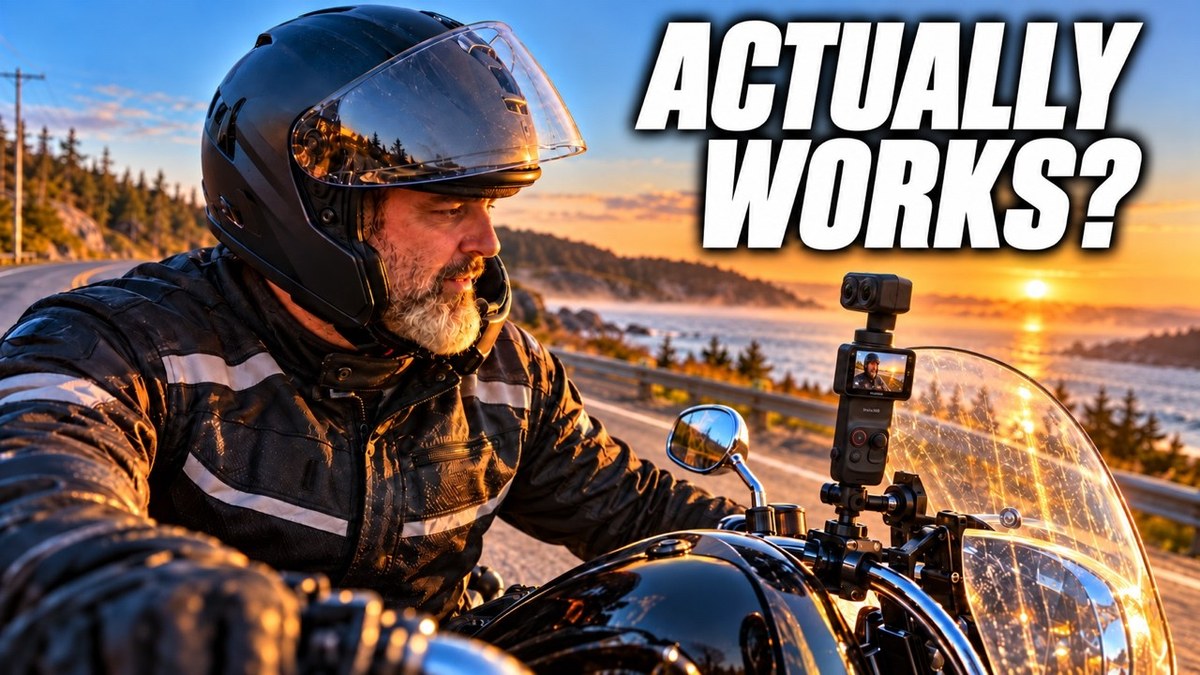
The Luna Ultra takes beautiful handheld footage, and Insta360 is unusually direct about what it cannot survive: no IP rating, no dust sealing, and a 0 to 40 degree operating range. Here is what that means for a rider, and which camera to mount instead.
What the Spec Sheet Actually Says
Insta360's own online manual for the Luna Ultra is unusually blunt. It states the camera is not waterproof or splashproof and that water and liquids should be avoided during use. The same sheet says it is not dustproof and warns against sand and dust exposure.
Operating temperature is listed as 32 to 104 degrees F, or 0 to 40 degrees C. That is a desktop device's range, not a motorcycle's.
What this means on a bike: rain is not a risk to manage, it is a failure you are choosing. There is no IP rating to fall back on and no sealed housing to trust.
Why That Matters More on a Motorcycle Than on a Desk
A gimbal camera on a desk meets still air, controlled humidity and no road spray. On a motorcycle it meets three things the Luna Ultra was not built for: rain, road grit, and cold.
Road grit is the underrated one. A camera mounted on a bar or a crash bar sits directly in the stream of everything the front tyre throws up. Dust is not just cosmetic: it gets into a gimbal's moving parts, and a gimbal with grit in it does not fail gracefully. It stutters, then it stops stabilising.
The temperature floor is the other number to respect. Zero degrees C is a normal October morning in Atlantic Canada, and the camera's rated minimum is exactly that. Riding at 2 degrees C ambient, with wind chill on a moving bike, is not what the rating contemplates.
When It Is Fine and When It Is Not
Fine: dry days, storage in a padded case between shots, handheld or tripod use at a stop, indoor walkarounds, vlog footage where the camera never sees weather.
Not fine: mounted on the bike for a full day, rain at any intensity including a misting drizzle, gravel roads, beach and dune environments, sub-zero mornings, and any shot where you plan to leave it on the bike while you eat lunch.
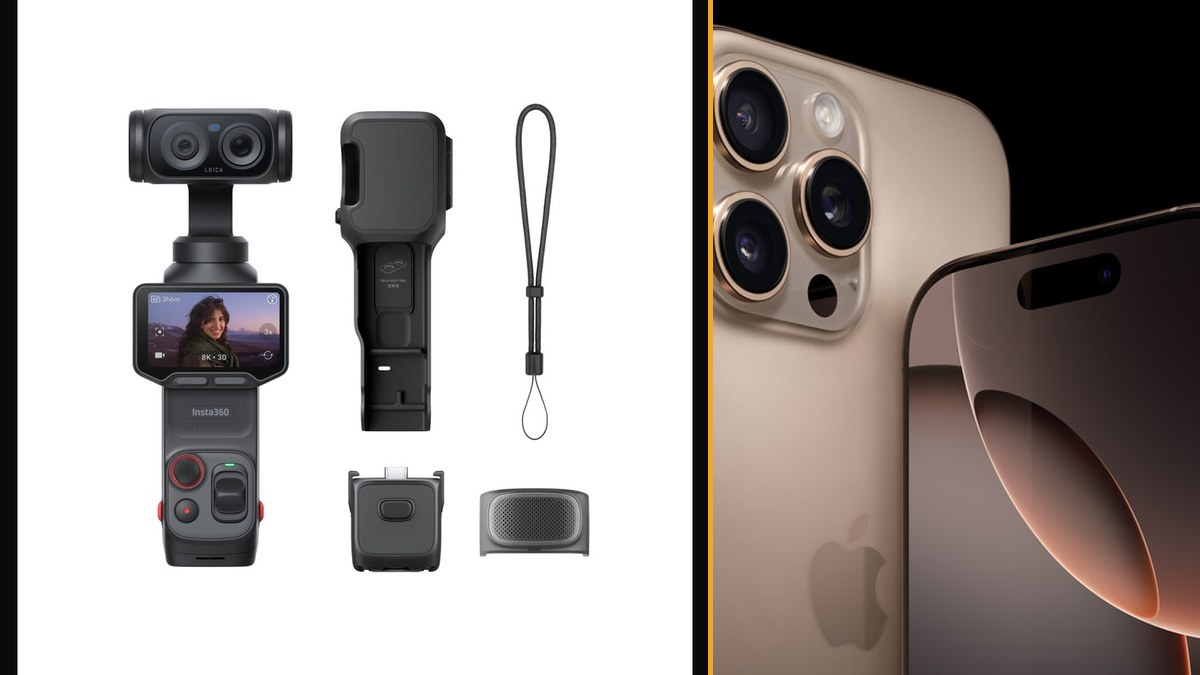
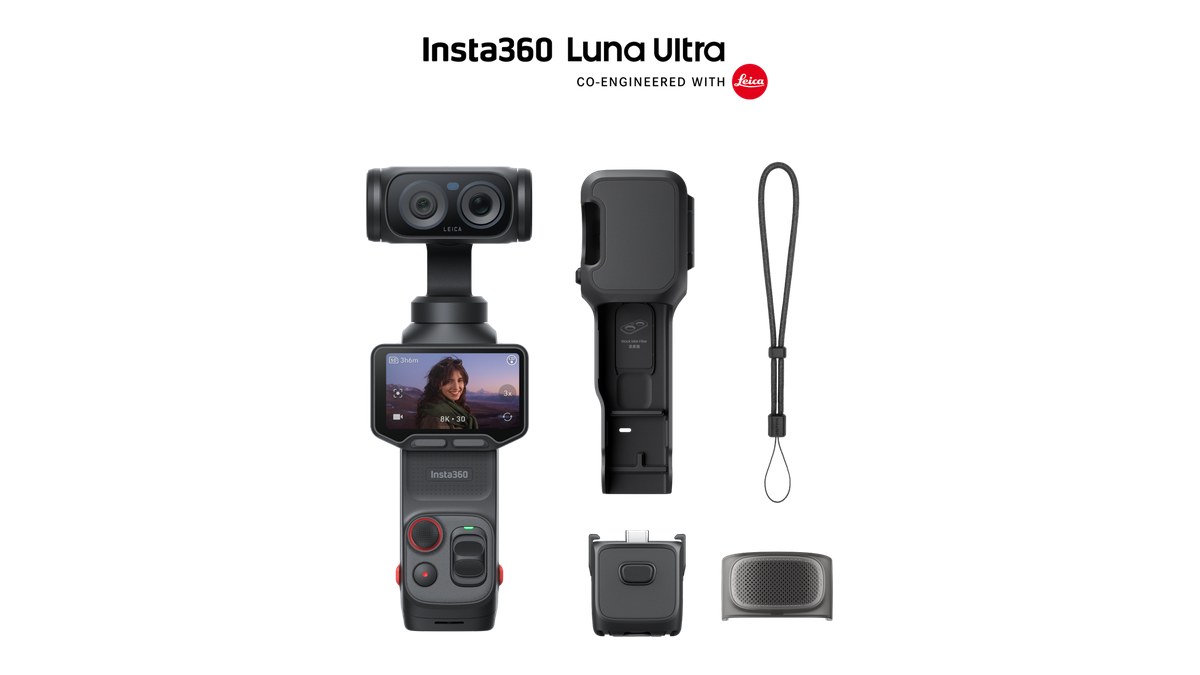
None of that makes the camera bad. It makes it a specific tool. The Luna Ultra's 1-inch 20mm main lens, 60mm f/2.0 telephoto and 233-235 g body are built for smooth handheld footage, and its 240-minute 1080p24 battery rating and 23-minute 80 percent charge are genuinely useful. It is just not a camera you strap to a motorcycle and forget about.
If You Want a Bike Camera, Buy a Bike Camera
For mounted, all-weather riding footage the answer is a sealed action camera, not a gimbal. That is the Insta360 Ace Pro 2 for a straight lens, or the X5 for reframing after the fact, both of which are designed to be rained on.
Use the Luna Ultra for the shots where smoothness matters and weather does not: the campsite walkaround, the hotel room product shot, the talking-head intro from under a shelter. Mixing the two is how you get both a reliable riding rig and good-looking b-roll.
| Luna Ultra spec | Figure |
|---|---|
| Water and dust rating | none, not splashproof, not dustproof |
| Operating temperature | 0 to 40 degrees C |
| Battery (1080p24, screen and Wi-Fi off) | 240 minutes |
| Charge to 80 percent | about 23 minutes |
| Built-in storage | 47 GB, microSD up to 2 TB |
| Weight | 233 g Cosmic Black, 235 g Stellar White |
If You Already Own One: Keeping It Alive
If the Luna Ultra is already in your bag, the practical rules are simple and they are all about avoiding exposure rather than surviving it. Carry it in a padded, sealed case and keep that case closed when you are not shooting. Do not leave it on a mount when you walk away from the bike, because a passing shower is not something the camera is rated to shrug off.
Wipe it down with a dry microfibre rather than a wet cloth. Water and liquids should be avoided during use, and a wet cloth counts. If you have been riding in dust, blow out the gimbal area before you power it on rather than wiping grit across the joints.
Cold is the quieter risk. The rated floor is 0 degrees C, so on a frosty morning the camera should start the day inside your jacket, not in a pannier that sat at ambient all night. A battery that has been kept warm also lasts closer to the 240-minute rating than one that has been frozen.
Used that way it is a genuinely good second camera alongside a sealed action cam. The 1-inch main sensor and the 60mm telephoto do things a wide action lens cannot, and the 47 GB of internal storage means you are not hunting for a card on the side of the road.
Frequently Asked Questions
Is the Insta360 Luna Ultra waterproof?
No. Insta360's spec sheet states it is not waterproof or splashproof and that water and liquids should be avoided during use.
Is it dustproof?
No. The same spec sheet says it is not dustproof and warns against sand and dust exposure.
What temperature can it operate in?
0 to 40 degrees C, or 32 to 104 degrees F.
How long does the battery last?
Up to 240 minutes recording 1080p at 24 fps with the screen and Wi-Fi off, and it charges to 80 percent in about 23 minutes.
Can I mount it on a motorcycle?
Only in dry conditions. There is no weather sealing and no IP rating, so rain, road spray, gravel dust and sub-zero mornings are outside what it is rated for.
Sources
- Insta360 Luna Ultra specs. Water and dust statements, operating temperature, battery life, storage, weight and lens specifications.
- Insta360 Luna Ultra hardware manual. Hardware handling and charging figures.