Smart Rings at IFA 2026: AI Hardware for Your Finger
IFA 2026 brought a wave of new smart rings with on-device AI, health tracking, and NFC payments. Oura, RingConn, Samsung, and newcomers all announced new models. Here is what matters and whether any of these are worth wearing on a motorcycle.
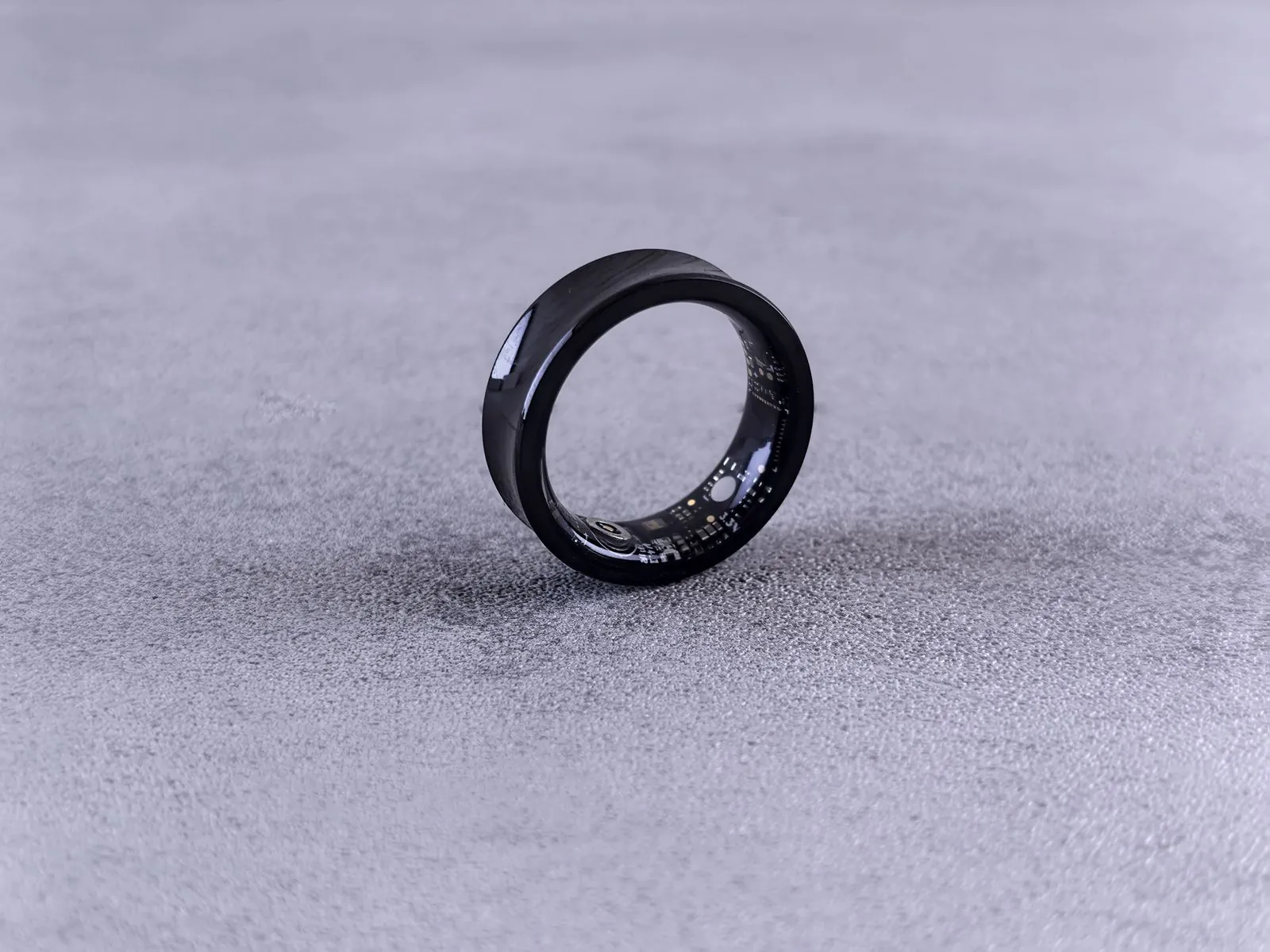
Table of Contents
What IFA 2026 announced
IFA 2026 (Berlin, late August) featured several smart ring announcements:
- Oura Ring 4: The market leader updated with improved sensors, longer battery life (7 days), and new AI-driven sleep analysis. Price: approximately $349 USD ($475 CAD) plus $5.99/month subscription.
- RingConn Gen 2: The Oura alternative with no subscription fee. Adds blood oxygen monitoring, stress tracking, and 10-day battery life. Price: approximately $279 USD ($380 CAD).
- Samsung Galaxy Ring 2: Samsung's second-gen ring with deeper Galaxy AI integration, sleep coaching, and Samsung Health sync. Requires a Galaxy phone. Price: approximately $399 USD ($545 CAD).
- Ultrahuman Ring Air 2: Fitness-focused with metabolic tracking, caffeine impact analysis, and recovery scoring. No subscription. Price: approximately $349 USD ($475 CAD).
The rings compared
| Ring | Price (CAD) | Subscription | Battery | Key feature |
|---|---|---|---|---|
| Oura Ring 4 | ~$475 | $8/mo | 7 days | Best sleep analysis, widest app ecosystem |
| RingConn Gen 2 | ~$380 | None | 10 days | No subscription, SpO2 monitoring |
| Galaxy Ring 2 | ~$545 | None | 7 days | Galaxy AI integration, Samsung Health |
| Ultrahuman Air 2 | ~$475 | None | 8 days | Metabolic tracking, recovery scoring |
Prices are approximate and may vary by retailer. Verify current Canadian pricing before purchasing.
What AI actually does on a ring
"AI" on a smart ring means two things: on-device analysis and cloud-based insights. The ring collects continuous data (heart rate, HRV, temperature, movement, SpO2) and uses algorithms to derive insights:
- Sleep staging: AI analyzes heart rate variability and movement patterns to determine light, deep, and REM sleep stages. Oura's sleep staging is the most validated, with accuracy approaching clinical EEG in independent studies.
- Recovery scoring: A daily "readiness" or "recovery" score tells you whether your body is ready for stress (exercise, long ride) or needs rest. The score is based on HRV trends, sleep quality, and resting heart rate.
- Trend analysis: AI identifies patterns over weeks — how your sleep responds to alcohol, exercise, travel, or temperature changes. This is where the subscription models (Oura, Galaxy) add value.
- Stress detection: RingConn and Ultrahuman use heart rate variability to estimate stress levels throughout the day. This is less precise than sleep tracking but useful for identifying patterns.
Motorcycle touring use case
For motorcycle touring, a smart ring answers one question: "Am I safe to ride today?" After a poor night's sleep, a stressful travel day, or a late dinner, your readiness score tells you whether your body is recovered enough for a long ride. If your HRV is depressed and your resting heart rate is elevated, it may be smarter to take a rest day.
I tested a smart ring during a multi-day touring trip and found the recovery data genuinely useful. On Day 3 of a 5-day trip, the ring showed poor recovery (HRV down 20%, resting HR up 5 bpm). I shortened the ride that day from 500 km (311 mi) to 250 km (155 mi) and felt better for it. Without the data, I would have pushed through and been fatigued by afternoon.
Practical benefits for riders:
- Sleep quality tracking tells you if you slept well enough for a long ride
- HRV trends show cumulative fatigue over a multi-day trip
- Temperature tracking can detect early signs of illness
- Stress detection helps you recognize when to take a break
Battery life and charging
Smart rings are small, so battery life is limited:
- Oura Ring 4: 7 days. Charges to 100% in about 80 minutes using a small wireless charging pad.
- RingConn Gen 2: 10 days. The longest battery life of the group. USB-C charging dock.
- Galaxy Ring 2: 7 days. Uses a Samsung-specific wireless charger.
- Ultrahuman Air 2: 8 days. Small charging cradle.
For touring, 7-10 days is enough for a typical trip. The ring charges while you sleep or during a lunch stop. Keep the charger in your tank bag.
Should you buy one?
Buy if: You want objective data about your sleep and recovery, you do multi-day physical activities (motorcycle touring, cycling, hiking), and you are willing to wear a ring 24/7.
Skip if: You do not like wearing rings, you do not care about health tracking data, or you are on a tight budget (the rings are $380-$545 CAD and some add monthly subscriptions).
My recommendation: For motorcycle touring specifically, RingConn Gen 2 is the best value — no subscription, 10-day battery, SpO2 monitoring, and adequate sleep tracking. If you want the best sleep analysis and app experience, Oura Ring 4 is the leader but requires a subscription.
Frequently Asked Questions
Yes — the ring sits on your finger and works under motorcycle gloves. The sensors contact your skin regardless of what is on top. You will not interact with the ring while riding (it has no screen), but it continues tracking.
RingConn Gen 2, Galaxy Ring 2, and Ultrahuman Air 2 all have no subscription fee. Oura Ring 4 requires a $5.99/month subscription for full features.
Indirectly, yes. By tracking your sleep quality and recovery, it helps you decide when you are safe to ride long distances and when you need a rest day. This is valuable for multi-day touring.
Information checked August 27, 2026. Prices are approximate — verify current Canadian pricing before purchasing. IFA 2026 announcements may not be available in Canada immediately.