10 Motorcycle Trip Essentials Everyone Forgets
You packed your rain suit, tire kit, and camera. But what about the small things that ruin a trip when you do not have them? After 200,000+ km (124,000+ mi), here are the items I always carry that most riders never think about.
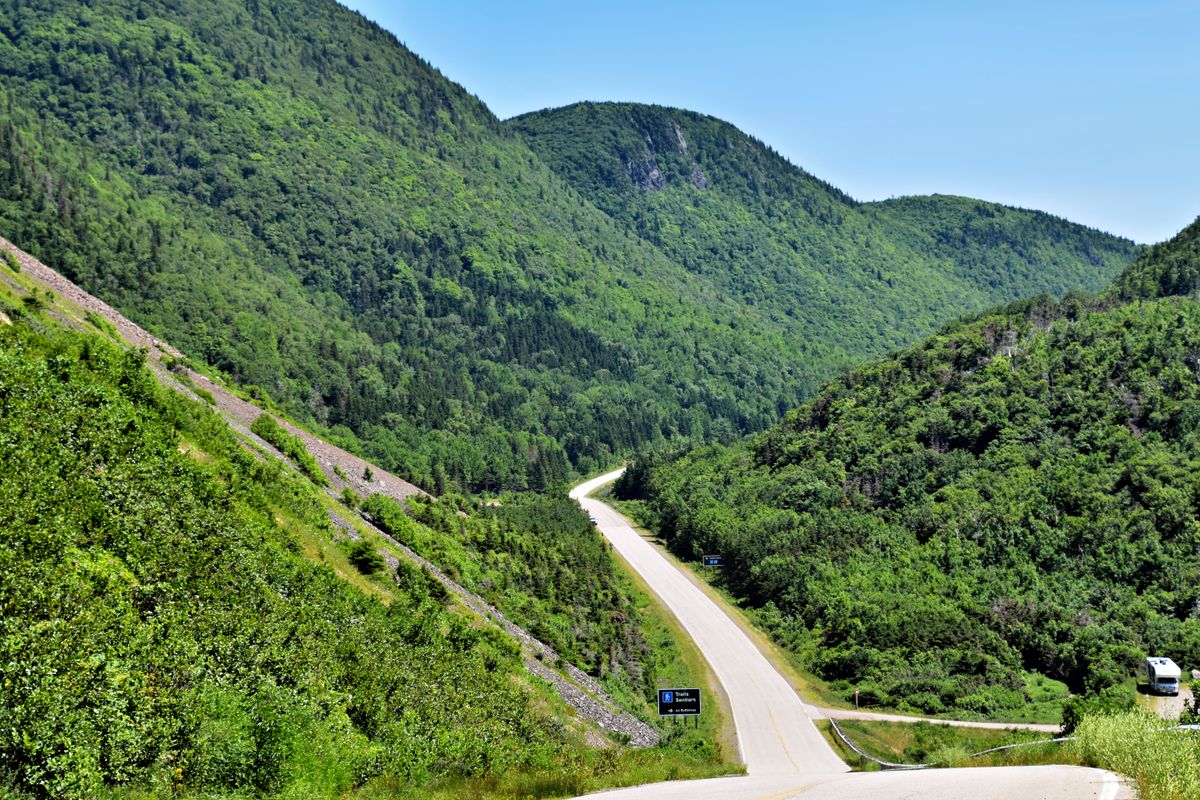
Table of Contents
The essentials everyone forgets
Here are 10 items that most riders do not pack but end up needing on a multi-day trip. Each one is small, cheap, and has saved me from a bad situation at least once.
- Spare key: If you lose your key on the road, you are stranded. Hide a spare key on the bike — under a fairing panel, inside a luggage compartment, or in a magnetic hide-a-key box. Do not keep it in your wallet; if you lose your wallet, you lose both.
- Insurance and registration copies: Keep a printed copy of your insurance card and registration in a waterproof bag. If your phone dies, you still need proof of insurance for a traffic stop or accident.
- Cable organizer: A small pouch with your USB-C cables, charger, and adapters. Nothing is worse than realizing your charging cable is tangled at the bottom of your luggage at 11 PM when your phone is at 5%.
- Headlamp (hands-free flashlight): A $15 headlamp is invaluable for setting up camp, fixing something on the bike in the dark, or walking to a bathroom at a campsite. Phone flashlights require holding your phone — a headlamp keeps both hands free.
- Sunglasses with changeable lenses: Bright sun to dark clouds to rain — your eyes need different protection throughout the day. A pair of sunglasses with interchangeable lenses (clear, amber, dark) adapts without needing three separate pairs.
- Small towel or shammy: A microfiber towel takes up almost no space and dries quickly. Use it to wipe rain off your seat, dry your visor, wipe your hands after checking oil, or dry your gear overnight.
- Lock and cable for luggage: A lightweight cable lock secures your helmet and jacket to the bike when you stop for lunch. A 60 cm (24 in) cable lock weighs 100g and costs $15.
- Emergency contact card: A card in your wallet and one in your tank bag with: your name, emergency contact, blood type, allergies, and insurance info. If you are unconscious after a crash, this is what first responders need.
- Spare SD cards: If your camera SD card fills up or fails, you cannot record the rest of your trip. Carry 2-3 spare cards. They weigh nothing and cost $15-$25 each.
- Energy bars and water purification tablets: When you are 100 km (62 mi) from the next gas station and hungry, an energy bar keeps you alert. Water purification tablets (iodine or chlorine dioxide) let you drink from a stream if you run out of water on a remote ride.
Why each one matters
I have needed every item on this list during a real trip. The spare key saved me when I dropped my key at a gas station in Newfoundland and it slid under the pump. The headlamp saved me when I had to change a tire tube at 9 PM on the Cabot Trail. The emergency contact card was used by paramedics when a riding companion was in an accident in Ottawa.
The cable organizer seems trivial until you are searching through a packed tank bag at midnight trying to find the one cable that charges your phone. The small towel seems unnecessary until you are trying to wipe rain off your visor with your glove and just smearing it worse.
These items cost a total of about $80-$120 CAD. They weigh less than 500g combined. They take up less space than a single change of clothes. And each one has a specific scenario where not having it would have made a bad day worse.
How to pack them
Organization is as important as what you pack. Here is my system:
- Tank bag (accessible while riding): Sunglasses, cable organizer, small towel, spare SD cards, tire pressure gauge, earplugs
- Luggage (accessible at stops): Rain suit, first aid kit, lock and cable, headlamp, energy bars
- Hidden on the bike: Spare key, emergency contact card
- Wallet: Insurance/registration copies, emergency contact card
The rule: anything you might need while riding goes in the tank bag. Anything you need at stops goes in luggage. Anything that needs to be with you even if separated from the bike goes in your wallet.
Items you think you need but do not
Just as important as what to pack is what not to pack:
- Multi-tool with every possible attachment: A basic Leatherman or multi-tool is useful, but a 20-function tool weighs 300g and you will use 3 of those functions. Carry a lightweight tool kit with the specific sockets and wrenches your bike needs.
- A full repair manual: It weighs 2 kg (4.4 lb). If you cannot fix it on the roadside with basic tools, you need a tow, not a manual. Keep the PDF on your phone.
- Too many clothes: For a 5-day trip, you need 2 sets of riding gear (wear one, dry one) and minimal street clothes. Motorcycle trips are not fashion shows.
- A massive first aid kit: A compact kit with the essentials handles 95% of situations. A $200 expedition kit adds weight you will never use. Add a tourniquet and SAM splint for serious emergencies.
Frequently Asked Questions
A spare key. Most riders never think about it until they lose theirs. Hide one on the bike in a location only you know.
Approximately $80-$120 CAD total. The most expensive items are the headlamp ($15) and lock/cable ($15). Most items are under $10 each.
Less than 500g (1.1 lb) combined. The heaviest items are the headlamp and cable lock. The lightest are the SD cards and emergency contact card.
Information checked August 23, 2026. Prices are approximate and may vary by retailer.