When Does Motorcycle Riding Season Actually End in Atlantic Canada?
Every fall, riders argue about the "last day" of the season. The real answer in the Maritimes: it's not the frost that ends it, it's the salt. Here's the calendar, from a rider who keeps going into October.
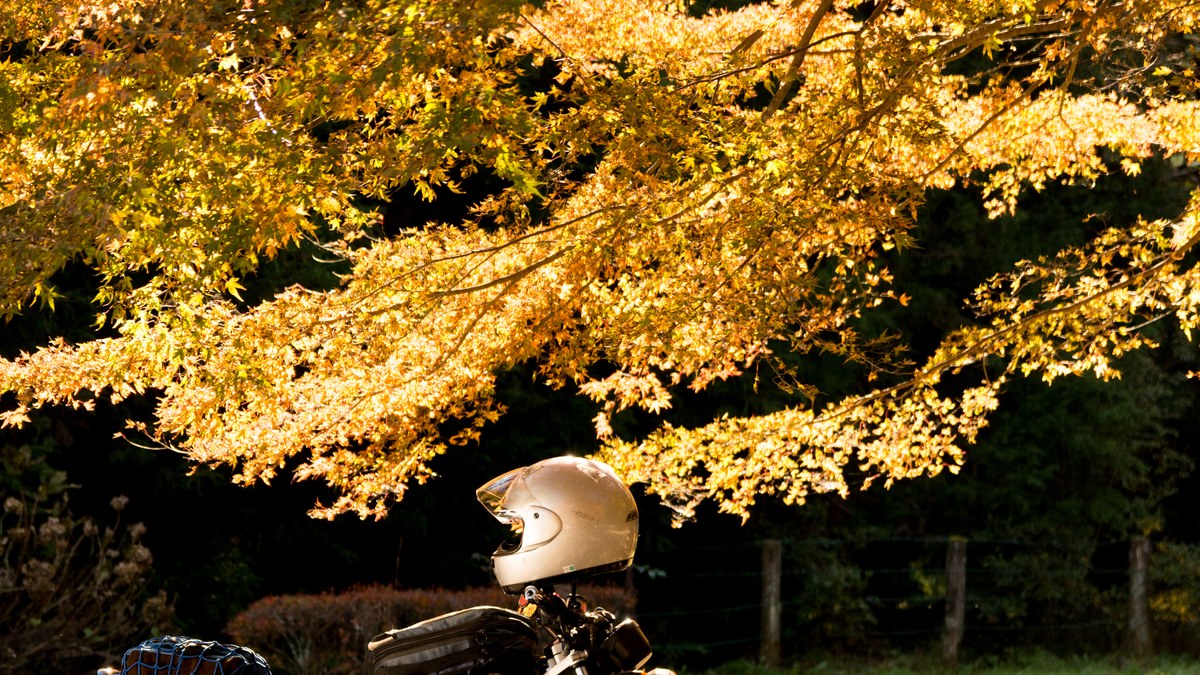
Autumn on a Maritime backroad: riding season's most honest clock. Photo: Wikimedia Commons, CC.
Ask ten riders when motorcycle season ends in Atlantic Canada and you'll get ten answers — from "Labour Day, obviously" to "whenever there's salt on the road." Having ridden well into October around the Gaspé and the Cabot Trail over the years, I've learned the season doesn't end on a date. It ends in stages, and knowing the stages tells you exactly how many good riding days you've got left.
Table of Contents
Stage 1: First Frost (Mid-September On)
The Old Farmer's Almanac puts Moncton's average first fall frost around September 15 — that's the 33%-probability date, meaning roughly one year in three sees frost by then, with a growing season of about 103 days. Frost dates vary across the Maritimes — coastal areas and the Annapolis Valley run warmer than inland New Brunswick — but the pattern is the same: from mid-September onward, frost becomes a possibility any calm, clear night.
Here's the thing most riders miss: first frost barely affects riding. Frost forms overnight on grass and windshields; it's gone from dry asphalt within an hour of sunrise. The riders who park the bike at the first frost date in September give up six weeks of riding for no safety reason. The real calculation is about when frost turns from an occasional event into a nightly one — and that's what October is for.
Stage 2: October — The Golden Stretch
October is the most underrated riding month in the Maritimes. The crowds are gone, the leaves are at peak, and the roads are still salt-free on dry days. Daytime highs of 10-15°C (50-59°F) are normal in the first half of the month, and even a cool 5°C (41°F) day is perfectly rideable with the right gear — heated grips help a lot here, which is exactly the kind of Ride Command accessory worth having working before the cold arrives.
The rules for October riding are simple: ride the middle of the day, not the morning; skip the fog-covered valley roads until the sun has burned it off; and check the overnight forecast before planning an early start.
Stage 3: Salt Season (The Real End)
The true end of riding season in the Maritimes isn't a temperature — it's the first time the salt trucks go out. Once highway crews begin salting and brining for frost and freeze events, the roads carry corrosive residue that stays between rainstorms. Salt does two things to a rider: it makes cold mornings genuinely dangerous (a light brine film on a freezing morning is treacherous), and it attacks your bike — especially the exhaust, fasteners and any bare metal on a bike like my Pursuit.
In practice, salt operations in New Brunswick typically begin in October as overnight lows start regularly hitting the freezing mark (0°C / 32°F). Once that happens, the season is on borrowed time — you're now picking isolated days after heavy rain has washed the roads and before the next freeze-up, and by early-to-mid November, the math stops working for most riders.
Cold Tires Are the Hidden Danger
The hazard that actually catches riders in fall isn't ice — it's cold tires. As temperatures drop, tire compounds warm up slower, and a tire that takes three gentle miles to reach working grip in summer can take twice that in the cold. The fix is free: give yourself a longer, gentler warm-up window on every fall ride before you lean the bike over or brake hard. This matters even more on cold, shaded backroads where the asphalt itself never warms up.
The Practical Calendar
- Mid-September: Average first frost in Moncton. Riding continues normally — watch overnight lows before dawn starts.
- October: The best stretch of the year for a quiet leaf-season ride. Mid-day riding, full cold-weather gear, bike wash after any salty road exposure.
- Late October: Salt and brine operations begin as freezes become regular. Start picking days instead of riding daily.
- Early-to-mid November: For most Maritime riders, that's the season. The bike goes on the tender, into the garage, and under the cover until spring.
If you're staring down the end of the season, my full prep guide covers what to do about storage, fuel and battery care — and my fall riding prep article goes deeper on gear for the cold shoulder weeks.