Is November a Good Time to Buy a Motorcycle? The Honest Answer
Dealers want inventory gone before winter and the deals get real in November. How end-of-season motorcycle buying works in Canada, and when to wait.
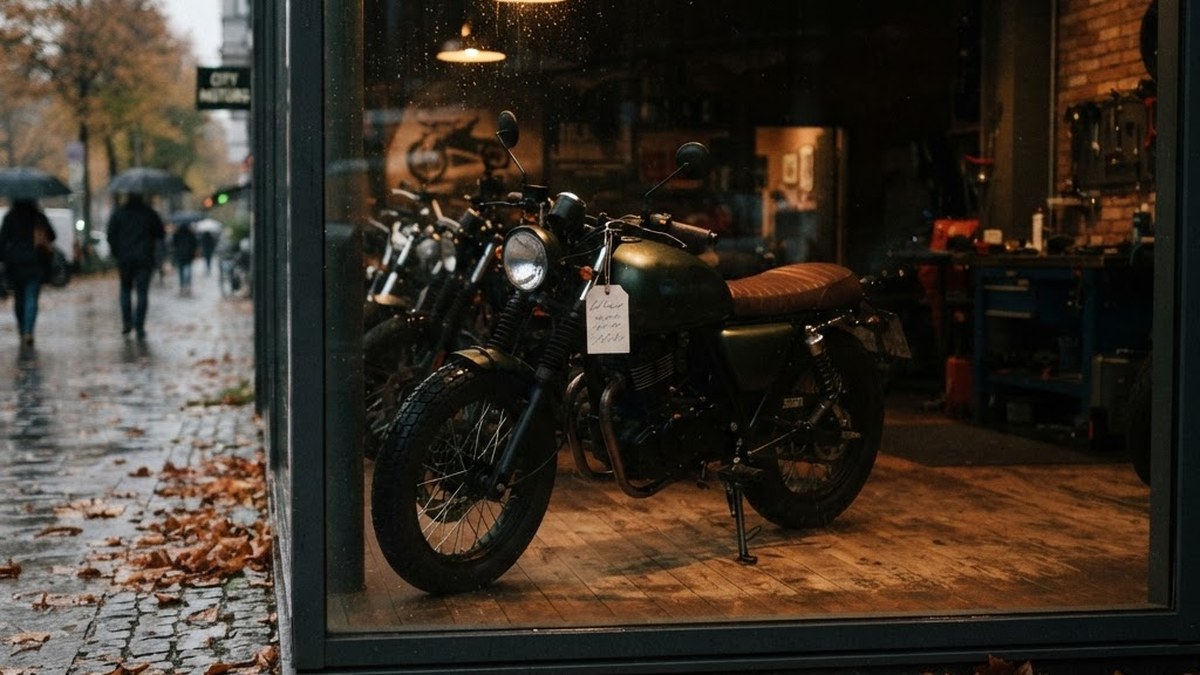
Illustration: AI-generated image
In this article
The honest answer up front
Yes, and specifically November, not a vague someday when you feel like it. The Canadian riding season is functionally over by then, the dealers' storage lots are filling, and the industry's calendar turns its financial attention to snowmobiles. For a buyer, that combination is the single best negotiating environment of the year for a motorcycle, and the riders who know it routinely save thousands compared to spring shoppers buying the identical machine. The catch is that the savings are not automatic: they are negotiated, and the window closes once spring demand returns.
Why dealers deal in the fall
A motorcycle sitting in November is a motorcycle costing a dealer floorplan interest through the winter, occupying space that the next model year wants, and representing a sale that gets harder every week the snow stays. Dealers know exactly how many units they want to carry into the new year, and by November the arithmetic favors moving them. You are not doing anyone a favor by buying, but you are arriving when the store's incentive to say yes is at its annual maximum.
What to actually negotiate
The advertised price is the starting point, not the prize. The real levers in a November negotiation are the out-the-door number: freight, setup and documentation fees, which are all negotiable precisely because the dealer wants the unit gone. Accessories and riding gear carry huge margins and make excellent throw-ins when the sticker price will not move. And if you have a trade, November is when dealers will be generous with its value, because your trade also fills their used-inventory need for spring. Negotiate the total transaction, not the bike price alone.
The model-year sweet spot
November buyers also get a choice spring buyers do not: current model-year leftovers at a discount versus the incoming model year at full price. For most motorcycles, the year-over-year changes are cosmetic, and a leftover with a healthy discount is almost always the better value. Ask directly what current-year inventory remains, and compare the savings against whatever the new model year actually changes, which is often nothing you would notice from the saddle.
The financing and timing caveats
Two honest cautions. First, do not let a low payment stretch you into more bike than you planned: the deal that matters is the total price, and winter is not a reason to overreach. Second, if you buy in November in Atlantic Canada, your insurance and registration choices interact, so arrange storage coverage rather than paying for a full season you will not ride, and check how your province handles registration timing so you are not paying for months the bike spends on a trickle charger.
The bottom line for Canadian buyers
November is the month the market tilts toward whoever walks in with financing ready and no urgency in their voice. Know the out-the-door number you want, be willing to negotiate fees and accessories, prefer a discounted current-year leftover unless the new model genuinely changes something you care about, and remember the dealer across town will match a lot to close a unit before the snow. Spring buyers pay retail for the same bike with less leverage and a longer wait. The calendar is on your side once, and this is it.
A final word on where the best November deals actually are: it is not always the newest dealership in the biggest city. Small rural dealers carry heavier storage costs relative to their size and often move units harder in the fall, and brand switches make excellent moments, since a dealer trying to win you from the brand you have ridden before has a reason to sharpen the pencil. Call around, let the market compete for you, and remember the best deal is the one you would be happy with in April, not just the cheapest number in November.
Frequently Asked Questions
Is November a good time to buy a motorcycle in Canada?
It is one of the best. Dealers face winter storage costs and next-year inventory pressure, so end-of-season discounts and fee flexibility peak in November, while spring buyers pay closer to full price for the same machine.
How much can I save buying a motorcycle in the off-season?
Savings vary by brand and region, but thousands of dollars off a leftover current-year model is realistic, plus negotiable freight, setup and documentation fees, and generous trade-in valuations.
What should I negotiate besides the motorcycle's price?
The out-the-door total: fees, accessories and gear with high margins, and trade-in value. The unit price is only one part of the transaction the dealer controls.
Should I buy a leftover model year or the new one?
Usually the leftover. Year-over-year changes are frequently cosmetic, and a discounted current-year bike at the same spec is the better value unless the new model changes something you specifically want.