
Photo: Pexels (Pexels License)
Prince Edward Island has two ways in for a motorcycle, and the ferry is the cheaper of them. The Wood Islands to Caribou crossing on Northumberland Ferries is also the one whose fare table gets misread most often, because the numbers are published in a way that hides two things: a round trip costs exactly what a one way costs, and standby travel from Nova Scotia carries no fare at all. Here are the 2026 rates as the operator publishes them, and the parts riders actually ask about.
What the crossing is
Northumberland Ferries runs the short crossing between Wood Islands, Prince Edward Island and Caribou, Nova Scotia. For a rider heading to the island from Nova Scotia, or leaving it, this is the alternative to the Confederation Bridge at Borden-Carleton. The two are not interchangeable in cost terms: the bridge charges a toll on the way out of PEI, while the ferry charges a fare per crossing booked, and those are different structures that favour different trips.
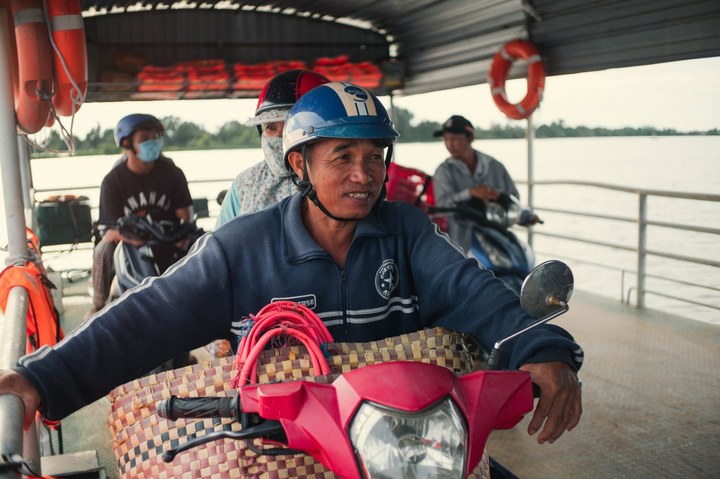
The ferry is the option most riders pick when the island is the destination rather than a transit point. It is also the option that rewards booking a return, which is the first thing worth understanding about the fare table.
What a motorcycle pays in 2026
The headline number for a solo rider is $22.50. That is the motorcycle fare, and the passenger is included in it rather than added on top. It applies whether you reserve a one-way or a round trip, which is the detail that surprises people who are used to transit pricing where two one-ways add up to more than a return.
| Vehicle or passenger | 2026 fare |
|---|---|
| Motorcycle (rider included) | $22.50 |
| Motorcycle and trailer | $43.00 |
| Three wheel motorcycle, including Spyders and Slingshots | $43.00 |
| Adult foot passenger, one way | $11.50 |
| Child 0 to 5 | Free |
| Fuel surcharge, vehicle under 20 ft | $2.50 |
Two lines in that table matter more than they look. The first is the fuel surcharge. It is $2.50 for vehicles under 20 ft and it is applied on departures from either province, so it belongs in the planning number rather than being discovered at the booth. A motorcycle lands in the under-20-ft class comfortably, so the realistic per-crossing figure for a solo rider is $22.50 plus $2.50.
The second is the three wheel line. If you ride a Spyder or a Slingshot, you are priced at $43, not at the motorcycle rate. That is not a mistake in the table, it is the operator treating a three wheeler as a small vehicle. Riders who assume the motorcycle rate applies are consistently surprised by it, and it is worth knowing before you are at the head of a loading line with cars behind you.
Why the return trip costs nothing extra
A round trip on this crossing is charged at the same amount as a one way. That sounds like a pricing error when you first read it, but it is how the service is structured: the fare buys the crossing and the return reservation together, so booking the return at the same time as the outbound adds no fare and secures your spot on the way back.
Practically, that changes how you should book. If there is any chance you are coming back on the ferry, book it as a round trip in the same transaction. Leaving the return unbooked does not save money. It just means you are competing for deck space on a sailing that may be full, which on a holiday weekend in summer is a real problem for a vehicle that has to be manually positioned.
Standby from Nova Scotia is free
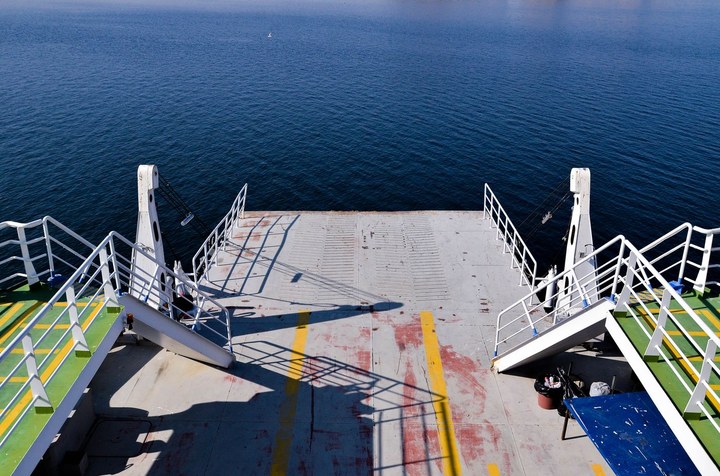
Standby travel from Nova Scotia to Prince Edward Island is free of charge, subject to space by vehicle type. That is the single most useful and least known line on the whole fare sheet. If you arrive at Caribou without a reservation and there is room for a motorcycle, you are not paying a premium for the privilege of being unbooked.
Two cautions. Free standby is not a guarantee of boarding, because space is allocated by vehicle type and a full deck stays full. And it is described from the Nova Scotia side, so do not build a plan that assumes the same treatment in the other direction. Treat it as a useful fallback when you are early, not as a reason to skip booking.
The rules that cost money
Fares are non-refundable after the first departure date. If your plans move, the money does not move with them, so the fare you buy is tied to the travel you actually take. On top of that, a $25 fee applies to no-shows. Missing a sailing is therefore not a neutral event: you lose the reservation value and you pay a penalty on top of it.
For a rider, that combination argues for booking the sailing you are confident about rather than the one you hope to make. A morning crossing reserved on the assumption you will be on the road by six is a worse bet than an afternoon one you know you can reach, because the failure mode is not a small change fee, it is the fare plus $25.
How it compares to the bridge
The comparison riders actually make is ferry versus bridge. They are charged differently: the bridge takes its toll when you leave the island, so a round trip through the bridge is a single charge, while the ferry is priced per booking with the return included. The upshot is that a bike going to PEI and coming back pays roughly the same either way, and the decision usually comes down to route and time rather than dollars.
Where the ferry wins on money is the case it is built for: a bike plus rider for $22.50 across, with the return included and a $2.50 surcharge. That is a cheap way to put a motorcycle on the island, and it drops you at Wood Islands with the eastern end of the island in front of you rather than at Borden-Carleton in the middle. For a rider doing the coastal loop, that is the better start.
Frequently Asked Questions
Is the passenger included in the motorcycle fare?
Yes. The $22.50 motorcycle fare covers the bike and the rider. A separate adult foot passenger fare of $11.50 one way only applies to someone crossing without a vehicle.
Does a round trip cost more than a one way?
No. On this crossing a round trip is charged at the same amount as a one way, and the return reservation is included in that price.
What does a Spyder or Slingshot cost on the ferry?
A three wheel motorcycle, including Spyders and Slingshots, is $43 rather than the $22.50 motorcycle rate. A motorcycle with a trailer is also $43.
Do I pay the fuel surcharge both ways?
The $2.50 fuel surcharge for vehicles under 20 ft is applied on departures from either province, so plan for it on each crossing.
Can I just show up without a reservation?
Standby travel from Nova Scotia to Prince Edward Island is free of charge, subject to space by vehicle type. It is a fallback, not a guarantee of boarding.
Sources
- Northumberland Ferries fares, 2026. The operator published rate table for the Wood Islands to Caribou crossing, including the $22.50 motorcycle fare, the $43 trailer and three wheel rates and the $2.50 fuel surcharge.