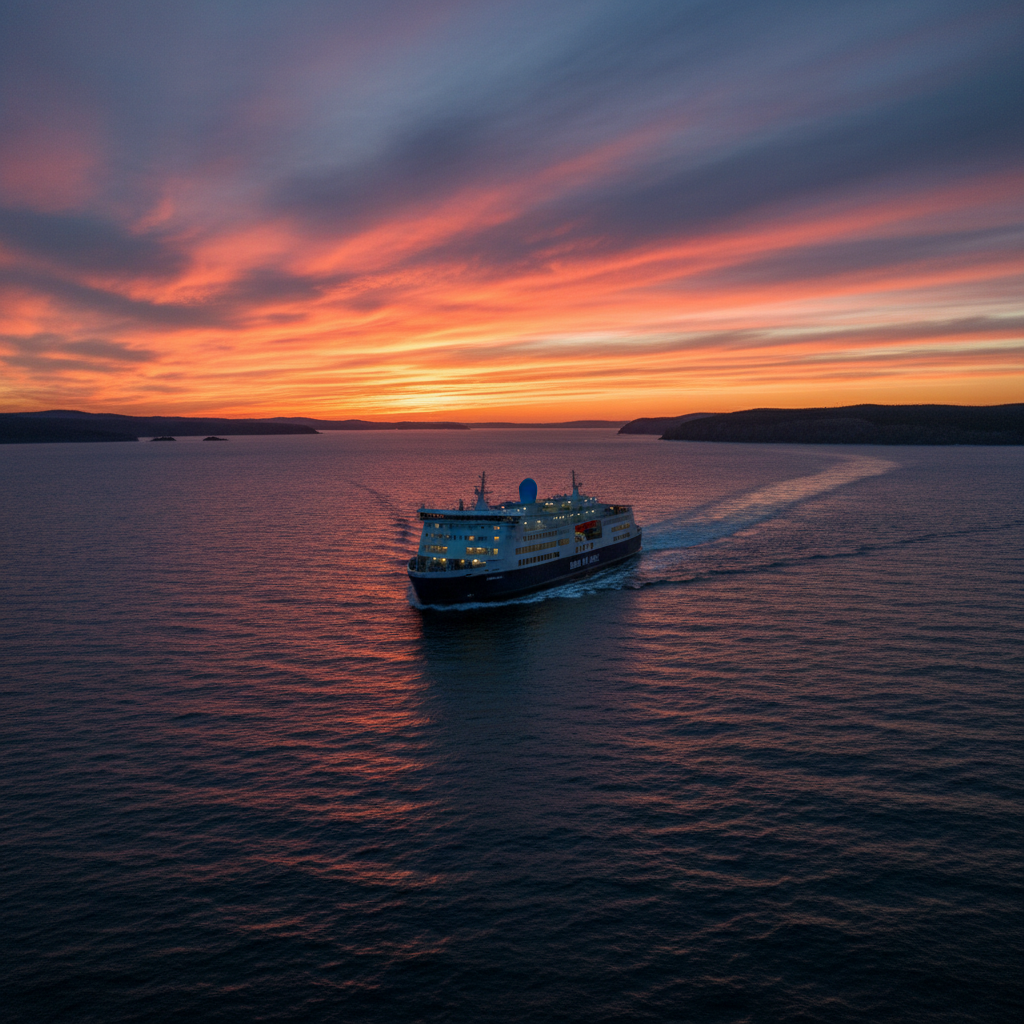
Early October. The leaves are turning, the crowds are gone, and I'm loading the Indian Pursuit onto a Marine Atlantic ferry bound for Port aux Basques. A week-long crossing of the Rock — one of the most remote and rewarding motorcycle rides in Canada — and this time, I'm not riding back alone.
This isn't a casual weekend run. Riding across Newfoundland in the first week of October means cold mornings, unpredictable Atlantic weather, and one of the highest moose-per-kilometre ratios of any highway on the continent. It takes planning, the right gear, and a healthy respect for the island. Here's how I'm approaching it — and what every rider needs to know before attempting this route late in the season.
Marine Atlantic runs two routes into Newfoundland — North Sydney to Port aux Basques (roughly 7 hours) and North Sydney to Argentia (16 hours). The Argentia route only runs seasonally and wraps up in late September, so for an early October crossing, Port aux Basques is your only option. That's actually fine — it puts you at the western tip of the island with the full Trans-Canada ahead of you.
Book your cabin early. This isn't optional — it's the difference between a comfortable overnight crossing and sleeping across two chairs in the lounge. Cabins on Marine Atlantic are small but functional: a couple of bunks, a porthole, enough room to hang wet gear. For a motorcycle trip at this time of year where you may roll in damp from the road, that privacy matters.
Motorcycles load first and park last — you'll be directed to the lower vehicle deck. Tie-down points are provided. Bring your own soft straps and don't rely on the vessel crew to know the best anchor points on a touring bike. The crossing can get rough in October, especially if there's a North Atlantic low moving through. Take a Gravol before you board if you're sensitive to motion.
October sailings are less busy than summer but cabins still sell out. Book as far ahead as possible at marineatlantic.ca. Check-in for motorcycles typically opens 2 hours before departure — arrive early to avoid being bumped to a later sailing if the vehicle deck fills.
About 45 minutes east of Port aux Basques on the Trans-Canada sits one of the most dangerous stretches of road for any two-wheeled vehicle in Atlantic Canada: the Wreckhouse. The geography here — a narrow coastal plain flanked by the Long Range Mountains — acts as a wind funnel. Gusts regularly exceed 100 km/h and have been recorded above 200 km/h. Transport trucks get blown off the highway. Motorcycles are significantly more vulnerable.
The Province of Newfoundland operates digital warning signs at two locations near Port aux Basques. Watch them. If the signs are active, pull over and wait. This isn't a grit-your-teeth-and-push-through situation — high crosswinds on a heavy touring bike at highway speed in October, on potentially wet pavement, can end your trip permanently.
Timing helps: Wreckhouse winds tend to be worse in the afternoon when thermal differentials peak. If you can get an early morning departure off the ferry, aim to clear the Wreckhouse zone before noon.
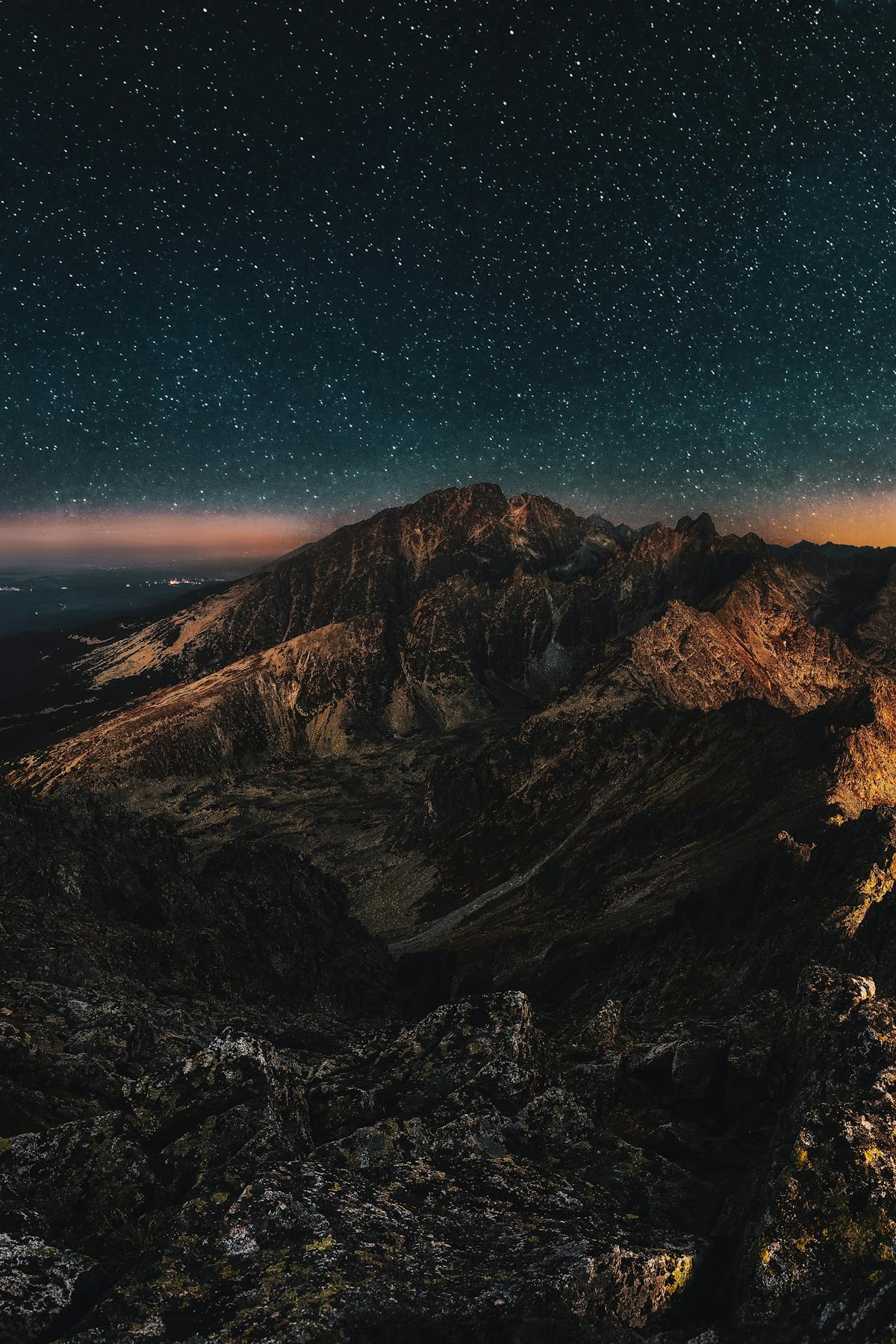
Newfoundland has an estimated 120,000 moose. The island has no natural moose predators. The Trans-Canada Highway bisects prime moose habitat for hundreds of kilometres. The province records approximately 600-700 moose-vehicle collisions annually, and that number has been climbing. For a motorcyclist, a moose strike is almost always fatal or career-ending.
October specifically is one of the highest-risk months. Moose are in rut in early October — males are moving aggressively and unpredictably. Daylight hours are shortening fast, which means you're much more likely to be riding during low-light conditions. And unlike deer, moose don't reflect headlights well at distance because their eyes are positioned higher — by the time your light catches the eye-shine, the animal is already in your lane.
No riding at dawn, dusk, or after dark anywhere on the Trans-Canada in Newfoundland. Full stop. If your ferry runs late and you'd be hitting the road after sunset, stay the night in Port aux Basques and start fresh in the morning. The 490 km from Port aux Basques to Grand Falls is best broken into an early start — aim to arrive well before 5 PM. The same applies on the return leg.
The moose fencing that exists along certain Trans-Canada sections ends well before Grand Falls-Windsor going east. From there to St. John's, there is essentially zero barrier between the forest and the road. Stay alert. Reduce highway speed to 90 km/h or below in areas with dense roadside brush. If you see one moose near the road, expect another — they typically travel in pairs or small groups during rut.
September and October are actually considered some of the best riding months in Newfoundland by experienced local riders — the tourist traffic is gone, the fall colours in the interior are exceptional, and you can get genuinely beautiful riding days. But the operative word is "can." October on the island can also deliver 8°C mornings, driving rain off the Atlantic, and sudden fog banks that reduce visibility to 50 metres on the Trans-Canada.
Expect daily highs between 8°C and 14°C. Mornings will be cold — 4°C to 8°C at departure is realistic. St. John's averages around 12°C in early October but its coastal position means wind chill will make it feel significantly colder on the bike. Rain probability is high — the St. John's area receives precipitation on roughly half the days in October.
Grand Falls-Windsor sits almost exactly at the halfway point of the Trans-Canada crossing — 490 km from Port aux Basques and 426 km from St. John's. It's the natural overnight stop in both directions, and the Carriage House Inn (outbound, Oct 6-7) and Hotel Robin Hood (inbound, Oct 9-10) are solid choices in the area. Both are already confirmed.
The Grand Falls area itself is worth a short walk around in the evening — the town centre is compact and the Exploits River canyon nearby offers a dramatic reminder of how wild the Newfoundland interior is. Fuel up here both ways — the next reliable cluster of gas stations heading east is at Gander, another 90 km down the Trans-Canada. Don't leave Grand Falls with less than three-quarters of a tank.
St. John's is worth every kilometre it takes to get there. Canada's oldest city and most easterly point packs an enormous amount of character into a relatively small area. Walking distance from most accommodation, you have:
Signal Hill — The must-do. The ride up to Cabot Tower delivers a 360-degree view of the harbour, the Narrows, and the open Atlantic. Marconi received the first transatlantic wireless signal from this hill in 1901. On a clear October day, the views are extraordinary. The North Head Trail hike is roughly 3.5 km and worth doing on foot.
Cape Spear — The easternmost point in Canada. A 15-minute ride from downtown St. John's, easily done on the Pursuit. The 1836 lighthouse has been restored, and the cliffs in October light are genuinely stunning. This is the kind of place you ride to just so you can say you've been at the edge of the continent.
Jellybean Row — The brightly painted Victorian rowhouses on Gower Street are an iconic St. John's image. Worth a slow ride through or a short walk.
George Street — Known as having more bars per square foot than anywhere else in North America. For an October evening with Monique after a long riding day, it's exactly the right place to land. Live music, local craft beer, and East Coast hospitality.
Quidi Vidi Village — A tiny, ancient fishing village tucked into a cove minutes from downtown. Quidi Vidi Brewery is located here — their Iceberg Beer (brewed with actual iceberg water) is a local institution.
Monique flies in for work and wraps up right as I roll into the city — perfect timing. She's riding pillion on the Pursuit for the return west, so it's one bike, two people, all the way back to the ferry. Having a passenger actually helps on this stretch — a second set of eyes scanning the shoulders is genuinely useful on a moose-heavy highway in October. A Bluetooth intercom between helmets is worth setting up before you leave St. John's — easy communication on stops, sightings, and when someone needs a break.
On the return ferry, one cabin for two. The Port aux Basques crossing cabins are compact but perfectly fine for an overnight with a passenger — just book it well in advance as they do sell out.
Riding back in the second week of October also means you're pushing further into the shoulder season. Temperatures will be slightly colder than on the way out and daylight will be shorter by another 20-30 minutes. The morning start discipline becomes even more important.
In the week before departure, run through this:
Marine Atlantic ferry — cabin confirmed both ways. Arrive at the terminal 90 minutes before motorcycle check-in opens. Fuel topped up before the terminal — there's nothing convenient immediately after loading in Port aux Basques.
Weather check the night before and morning of each riding day. The Government of Newfoundland's 511 road conditions line and the Wreckhouse wind warning signs at wreckhouse.ca are your go-to sources. Don't plan around forecast sunshine — plan around acceptable rain conditions.
Tell someone who isn't on the trip your full itinerary, hotel names, and expected check-in times each day. Newfoundland has stretches of the Trans-Canada with no cell service for 40-60 km at a time. If you're overdue, someone on the mainland needs to know which town to start calling.
This is one of those rides that gets into your head and stays there. The scale of the island, the emptiness of the Trans-Canada interior, waking up to fog rolling off the Atlantic in St. John's harbour — it's a very different Canada than most riders ever see. October makes it wilder. Respect the season, prepare for the conditions, and it will be one of the best trips you've done on two wheels.
The Newfoundland crossing deserves proper documentation. These are the cameras I ride with on long tours.
Insta360 X5 on Amazon.ca | Amazon.com Insta360 Ace Pro 2 on Amazon.ca | Amazon.comAffiliate disclosure: Links above are Amazon.ca affiliate links using tag greg015-20. I earn a small commission on qualifying purchases at no extra cost to you.