How Long Do Motorcycle Tires Really Last? The Honest Answer
Michelin says inspect annually after five years and replace by ten. Real tire lifespans by type, how to read the date code, and when to replace now.
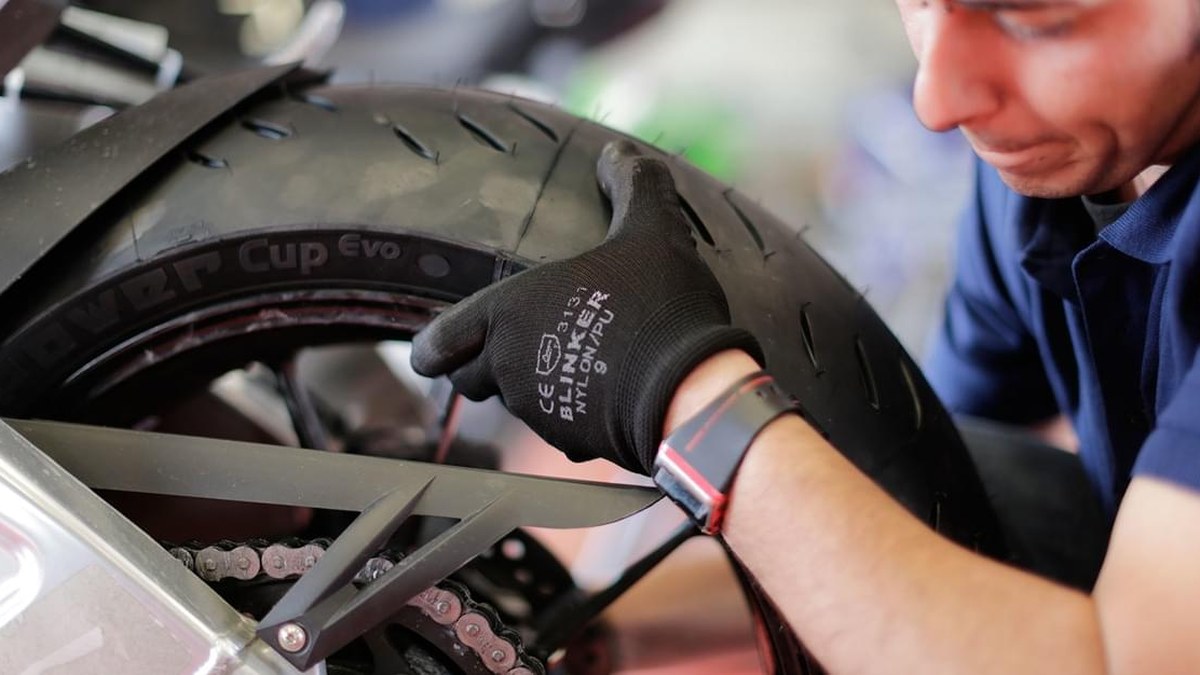
Image: Property of Michelin
In this article
The short answer
Two separate clocks decide when a motorcycle tire is done, and either one can run out first. The first clock is tread wear, which depends on how you ride, what you ride, and how you load it. The second clock is age, because rubber hardens and oxidizes whether you ride or not. The tread can look deep and the tire can still be overdue.
The age rules, straight from Michelin: after five years of use, a tire should be examined by a professional every year. Any tire that reaches ten years should be replaced, even if it appears to be in good condition and has not hit the wear limit. No exceptions for low mileage.
Lifespans by tire type
Michelin publishes honest ranges, and they are wide because riding style dominates the math:
- Sport tires: 3,000 to 8,000 km (1,900 to 5,000 mi)
- Sport-touring tires: 15,000 to 25,000 km (9,300 to 15,500 mi)
- Touring tires: 30,000 km (18,600 mi) or more
A heavy bike with torque that spends its life on the highway will eat rear tires differently than a light bike ridden in the twisties, and running pressure even slightly low shortens everything. In roughly 200,000 km of riding, the pattern is always the same: the rear goes first, and the front usually dies of age before it dies of wear.
The age clock
Tires age from heat cycles, UV, ozone, and time. The compound hardens, grip drops, and eventually the rubber cracks. To read the age of any tire, look for the DOT code on the sidewall: a four-digit number giving the week and year of manufacture. A tire stamped 2321 was made in week 23 of 2021.
Check that code when you buy, not just when you replace. A "new" tire that sat in a warehouse for three years has already spent a third of its safe life. And when you buy a used bike, the date code tells you what the seller's "good rubber" is really worth.
Replace it now if...
Michelin's own replace-immediately list, plus the legal wear limit:
- Tread is at the wear bars. The raised indicators sit at 2/32 of an inch, about 1.6 mm, which is the legal limit. Michelin advises replacing before you reach it, because wet grip is already gone.
- The sidewall is punctured or the bead is deformed. Not repairable. Ever.
- You can see the carcass or breaker under the tread, or the tread is separating, cut, or torn.
- There are cracks anywhere: tread grooves, shoulders, or sidewall.
- Marbling or scuffing inside the tire from riding underinflated. The damage is already structural.
- The tire has been exposed to oil or corrosive fluids.
- It took a puncture. Michelin's position is that a punctured motorcycle tire should be replaced, not patched and ridden.
The habit that catches it early
Michelin recommends a weekly visual inspection, checking tread condition, tread depth, and any signs of unusual wear or damage, and a pressure check twice a month. That is two minutes with your thumb and eyes. Do it when the bike is cold, look for cracks at the sidewalls and the bottom of the grooves, and if anything looks off, have a professional look before the next ride.
Buying advice
When you buy tires, check the DOT code on the actual tire being mounted, not the box. Shops with slow stock turnover can absolutely sell you a three-year-old tire as new. And when one tire is worn, judge the other on its own age and condition, because the age clock does not care that its partner is new.
Frequently asked questions
How long do motorcycle tires last in kilometers?
Michelin puts typical lifespans at 3,000 to 8,000 km (1,900 to 5,000 mi) for sport tires, 15,000 to 25,000 km (9,300 to 15,500 mi) for sport-touring, and 30,000 km (18,600 mi) or more for touring tires.
How old can a motorcycle tire be before you must replace it?
Michelin recommends a professional inspection every year once a tire has five years of use, and replacement of any tire that reaches ten years, even if the tread still looks good.
What is a DOT date code?
A four-digit number molded into the tire sidewall showing the week and year of manufacture. It is how you check a tire's age before buying.