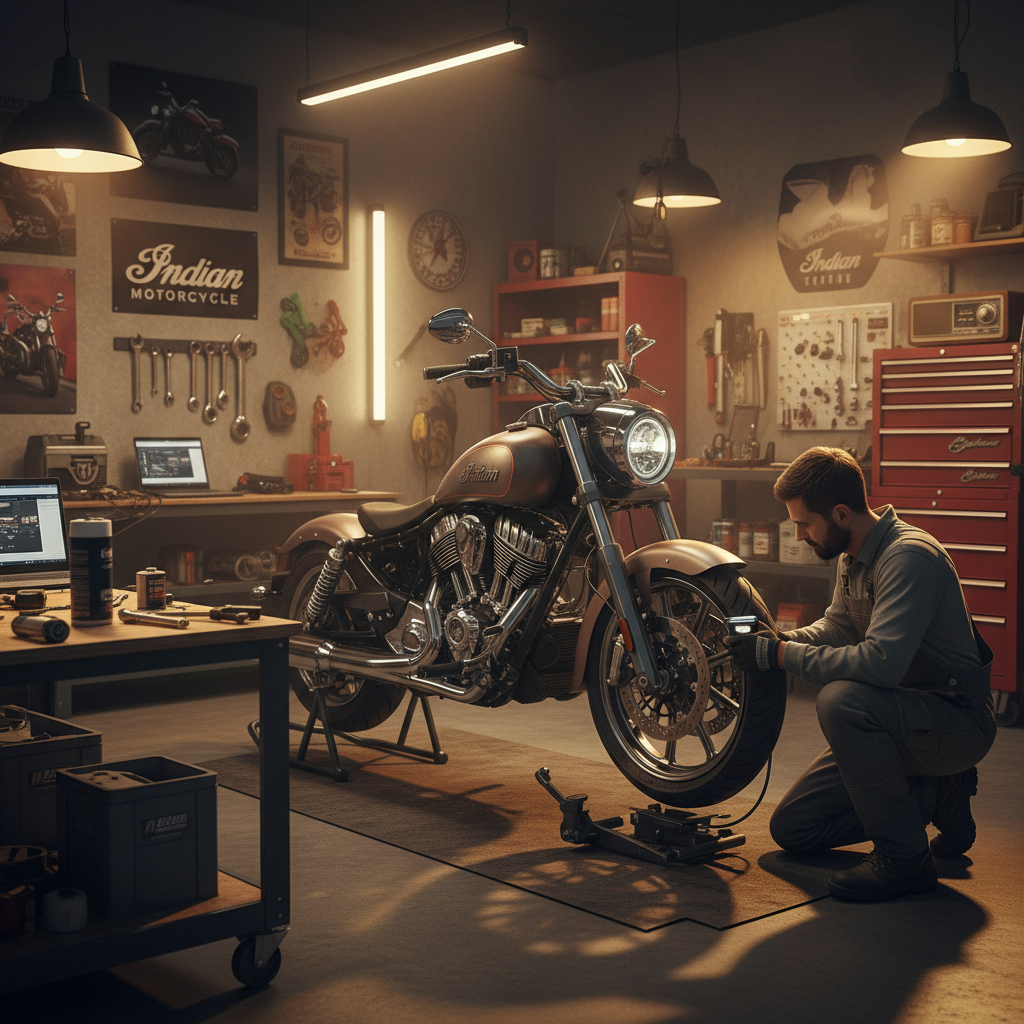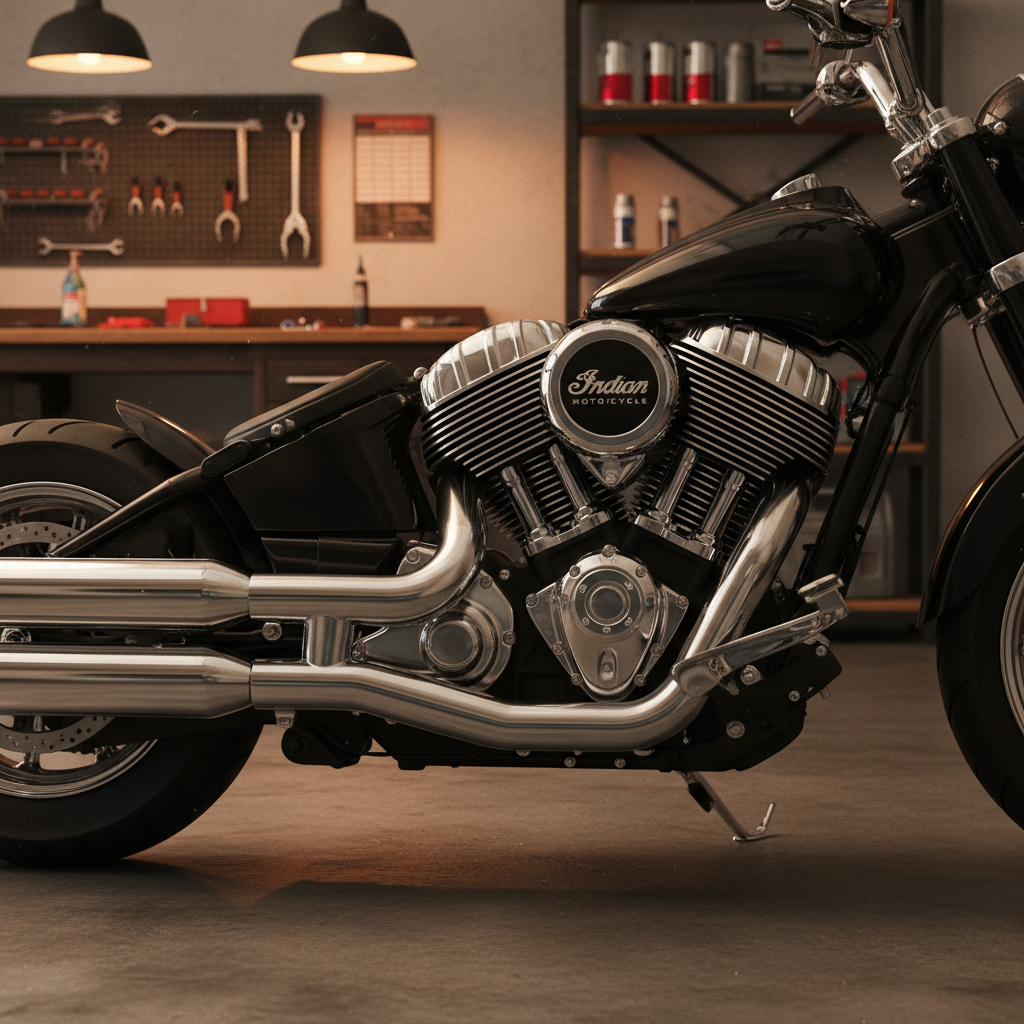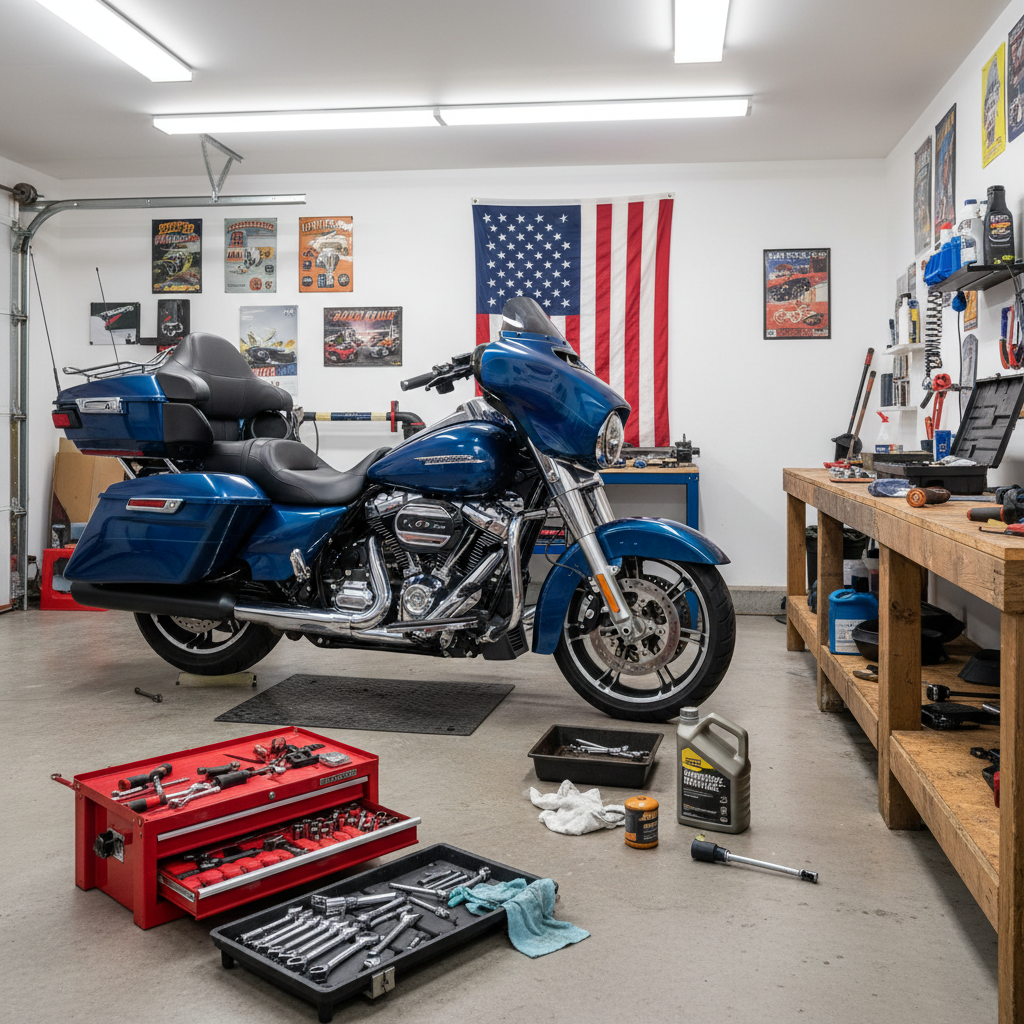
Indian Pursuit Spring Maintenance Checklist
Photo by Shandy Galicia via Pexels
Winter storage in New Brunswick is rough on motorcycles. Salt air, temperature swings, and months of sitting can catch up with your bike fast. Before you head out on the first warm ride of spring, here's the maintenance routine I run on my Indian Pursuit — and what I've learned works in Atlantic Canada's climate.
Why Spring Maintenance Matters More in New Brunswick
Atlantic Canada's winters are aggressive. Road salt, freeze-thaw cycles, and humidity mean your Pursuit has been under stress even while sitting. I've seen bikes that looked fine in March fail on their first serious ride because critical checks were skipped.
The good news? A solid pre-ride checklist takes maybe two hours and saves you from breakdowns on the road.
The Full Spring Checklist
Oil: Check the dipstick with the bike on the centerstand, on level ground. Top up if needed. If the oil is dark or smells burnt, change it now — don't wait. Winter sitting creates sludge.
Coolant: Look at the overflow bottle. Top up to the cold fill line if low. If the coolant is brown or gunky, flush and refill.
Brake fluid: Should be clear or slightly amber. If it's dark, bleed the brakes or take it to a shop. Brake fluid absorbs water over winter.
This is critical. Check the sidewalls for cracks, bulges, or dry rot — winter storage is hard on rubber. Use a tire pressure gauge; eyeballing is useless. Front should be 36 PSI, rear 42 PSI (check your manual if different).
If tires are more than 5 years old or show signs of weather damage, replace them before spring riding season. Don't cheap out here — road salt and cold make worn tires dangerous.
Spin the wheels and listen for dragging. Apply the brakes hard — they should feel firm and responsive, not spongy. If there's play in the lever or pedal, air got in the lines over winter. Bleed the brakes or take it in.
Check brake pads visually. If they're less than 3mm thick, replace them. Atlantic salt roads destroy pad material fast.
If you didn't keep the battery on a tender over winter, charge it now before starting the bike. A weak battery can mask alternator problems. Once the bike is running, watch the voltage gauge — should sit between 13.5-14.5 volts at idle.
If it's lower, the alternator might not be charging properly. If higher, the voltage regulator could be failing.
Salt air corrodes chains fast. Spin the rear wheel and look at the chain from the side — any rust or buildup? Clean it with a degreaser, then apply fresh chain lube. Check for tight spots by spinning the wheel; the chain should have consistent tension.
Look at the sprockets (front and rear) for worn or sharpened teeth. If they look like shark fins, they're done.
Test all lights: headlight, brake light, turn signals, tail light. Moisture can corrode connections over winter. If any lights are dim or flickering, check and clean the connector.
Test the horn and starter motor. Both should work without hesitation.
If you stored the bike with fuel in the tank (you should have), check the fuel for separation or varnish. Fresh fuel should be clear or pale yellow. If it's cloudy or brown, drain the tank and refill.
If you added fuel stabilizer in fall (good call), you can usually just run the old fuel through. Otherwise, consider changing the fuel filter if your Pursuit has one.
Do a walk-around and check for loose bolts, especially on the engine covers, exhaust, and controls. Winter vibration can loosen things you'd be surprised about. A quick pass with basic wrenches takes 15 minutes and prevents annoying rattles.
First Ride Tips
Once you've cleared the checklist, take a short ride (10-15 minutes) on quiet roads to warm up the bike and feel how it responds. Listen for odd noises, feel for pulling or spongy brakes, and get a sense of how it's handling.
Don't take your Pursuit on a 2-hour highway ride as your first outing of spring. Give yourself a chance to spot issues at slow speed first.
Early spring means salt still on the roads from winter. Plan your first few rides away from heavily salted routes if possible. When you do ride on treated roads, give your bike a good wash afterward — let the salt sit and it'll eat your paint, chrome, and brake lines.
The Bottom Line
Spring maintenance on an Indian Pursuit doesn't require dealer help or special tools. It's inspection, fluids, and common sense. Two hours before your first ride saves you from breakdowns that take two days to fix.
Treat your Pursuit right in spring, and it'll reward you with a solid summer of riding through New Brunswick and beyond.