How Do You Plan Fuel Stops for a Motorcycle Trip in Atlantic Canada?
Atlantic Canada is ideal for motorcycle touring, but fuel planning matters once you leave the larger towns. Build the route around realistic range, not the optimistic number in your brochure.
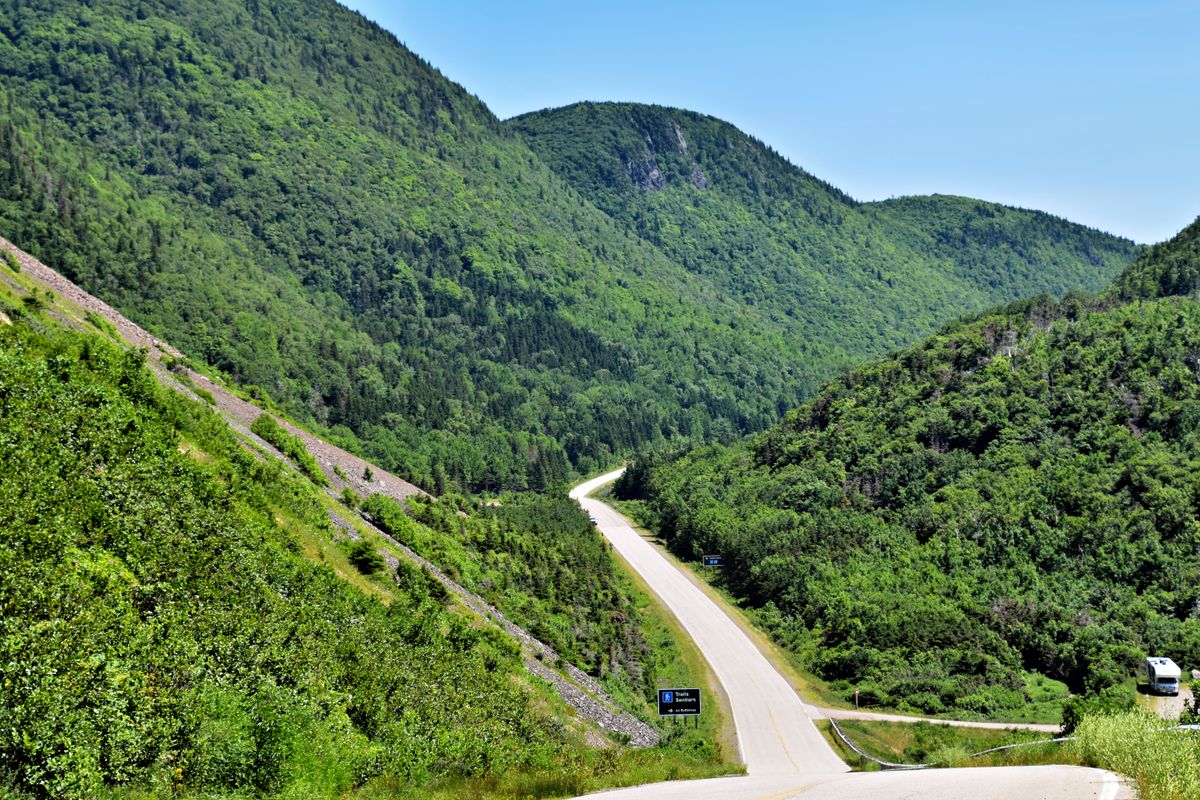
Table of Contents
Plan fuel stops around the motorcycle’s practical range with a reserve, then verify opening hours and route conditions before leaving. In rural areas, the next station may be farther away than the map suggests.
1. Use practical range, not tank range
Wind, hills, luggage, speed, and detours all reduce range. I plan the next stop before the warning light and treat the final quarter of the tank as a planning buffer, not free distance.
2. Save stations offline
Download the route and save likely fuel stops before leaving reliable service. A phone can show a station that is closed, seasonal, or on the other side of a ferry crossing, so check the route context rather than relying on one map pin.
3. Fill before remote stretches
Top up before coastal drives, ferry approaches, and long rural sections even if the tank is not empty. The few extra minutes are a better trade than turning a scenic route into a roadside recovery.
4. Ride with a group responsibly
When I ride with one to three other riders, we stop for the bike with the shortest range and keep the group together. That prevents one rider from pushing past a safe reserve and makes fuel, food, and hotel planning easier.
The practical answer
Atlantic touring rewards flexible planning. Keep a reserve, confirm the next station, and fuel before remote sections. A little discipline leaves more time for the roads that brought you there.
Atlantic touring rewards flexible planning. Keep a reserve, confirm the next station, and fuel before remote sections. A little discipline leaves more time for the roads that brought you there.