
Photo: Laura Stanley via Pexels
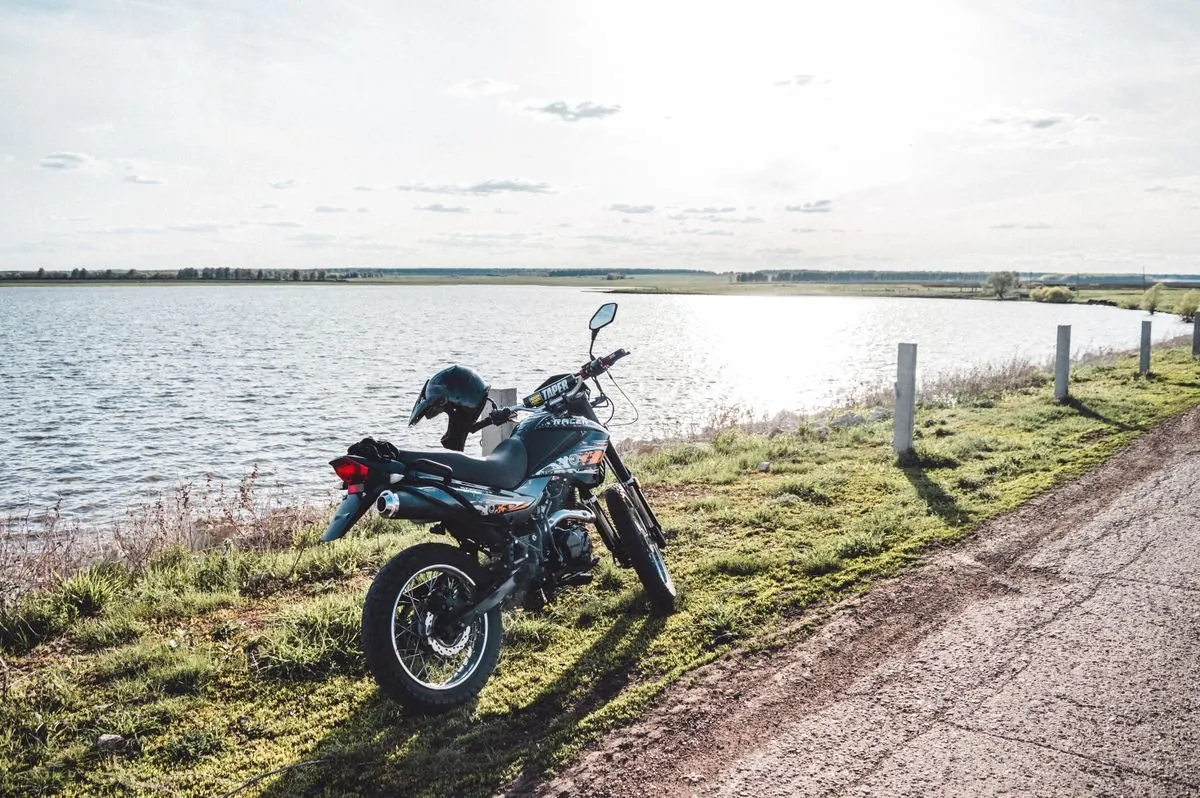
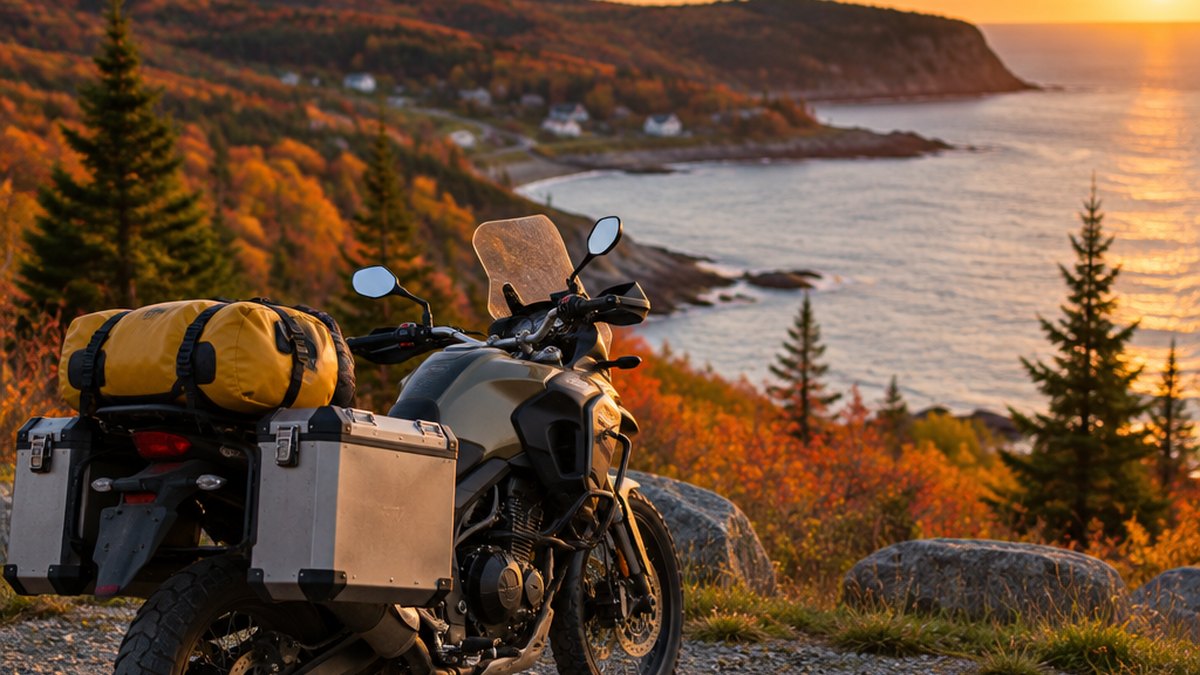
The Acadian Peninsula is the part of New Brunswick that riders from away skip, because it is not on the way to anywhere. You ride north-east out of Miramichi, the land narrows, the road starts following water on both sides, and you end up on Miscou Island looking back at the Gaspé across the Baie des Chaleurs. There is no ferry required and no famous viewpoint that appears on a postcard, which is exactly why the road is empty.
The cost question is the one that actually decides whether a rider goes, so this is built on published Parks Canada fees rather than estimates. Every figure below is from Parks Canada's official Kouchibouguac National Park fee page, checked November 14, 2026, and the arithmetic on top of it is shown so you can substitute your own choices.
Why This Loop Beats the Famous Ones
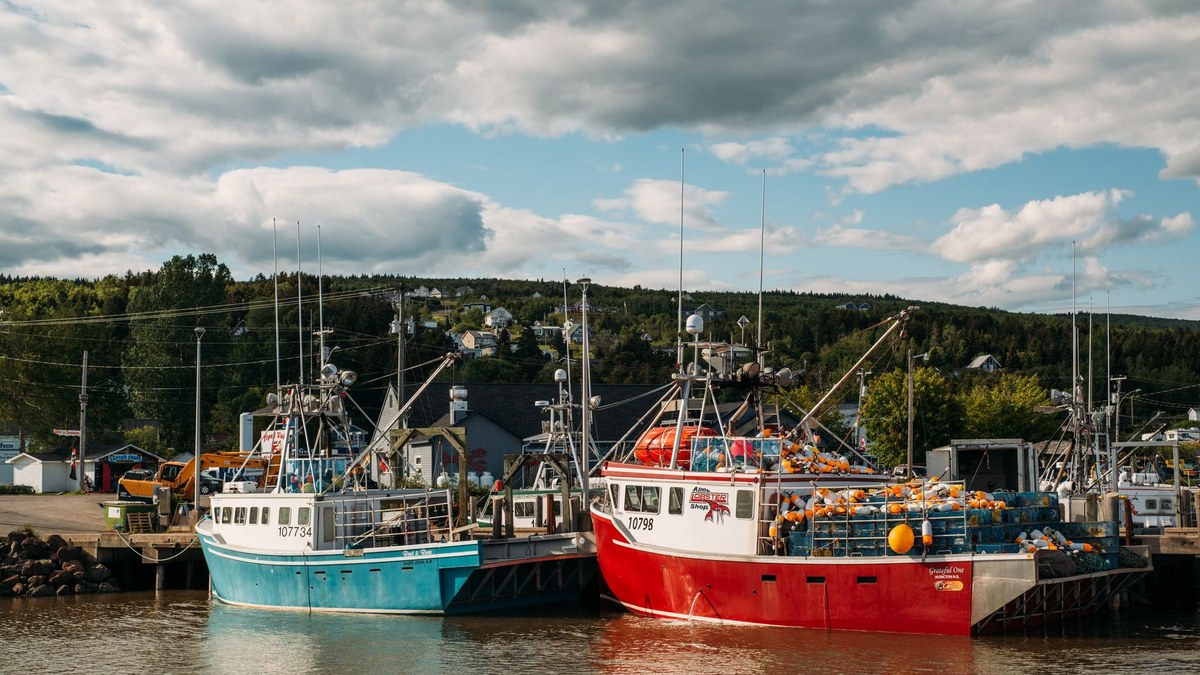
Kouchibouguac sits at the southern entrance to the peninsula, and it is where the ride earns its first stop. The park protects a barrier island system, sand dunes and a lagoon, and the road through it is a slow, flat, water-on-both-sides run that is genuinely good on a bike. From there the peninsula opens up: fishing villages, a working wharf culture, and Acadian French as the first language of nearly everyone you will talk to.
Caraquet and Shippagan are the two anchors. Shippagan to Caraquet is about 31 km by road, and Lamèque to Shippagan is about 9 km, so the whole settled part of the peninsula is compact. You are not covering big distance out here. You are covering a small area slowly, which is a different kind of riding and the reason the fuel cost is almost irrelevant next to the camping cost.
The Park Fees, Published
Entry to Kouchibouguac is the only gate on the route, and the fee structure rewards arriving outside peak season by a wide margin. These are the published adult rates:
| Pass type | Adult | When it applies |
|---|---|---|
| Daily, peak season | $10.00 | Peak summer season |
| Daily, shoulder season | $5.00 | April 1 to last Friday in June, and day after Labour Day to November 30 |
| Seasonal | $48.25 | Standard seasonal pass |
| Fall season, shoulder | $29.50 | Day following Labour Day to November 30 |
| Seasonal Early Bird | $29.50 | Sold April 1 to June 19 |
| Discovery Pass | $83.50 | All Parks Canada places for a year |
Two lines in that table are worth staring at. A shoulder daily pass is $5.00, which is half the peak rate. The fall season pass is $29.50 and runs from the day after Labour Day to November 30, so six daily shoulder entries at $5.00 cost $30.00, which is more than the pass. If you are riding the peninsula more than five times in the fall, the pass is already cheaper.
Youth 17 and under are free at every Parks Canada place, which matters if you are riding two-up with a kid on the back. A family or group in a single vehicle pays $19.50 daily at peak and $10.00 daily in shoulder season.
Camping Tiers and Shoulder Season
Camping is the real spend, and the tier structure is where a rider either saves money or does not. The published shoulder-season nightly rates:
| Site type | Peak | Shoulder |
|---|---|---|
| Unserviced, toilets and showers (South Kouchibouguac) | $34.00 | $26.75 |
| Electrical (South Kouchibouguac) | $40.00 | $36.75 |
| Electricity, sewage and water | $47.25 | $43.75 |
| Primitive (Côte-à-Fabien) | $19.50 | $19.50 |
| oTENTik | $147.50 | $147.50 |
The primitive sites at Côte-à-Fabien are $19.50 in both seasons, so they are the cheapest night in the park and they do not get cheaper in the fall. The unserviced site with showers is the sensible middle: $26.75 a night off-peak, which is $7.25 less than the same site in August. A rider with a small tent and a bike does not need electrical service, so the $36.75 electrical tier is money spent on nothing unless you are running a CPAP or charging a lot of camera batteries overnight.
One option riders forget: parking lot camping from November to April is $23.25 per vehicle per night. That is a genuine off-season fallback when the campground loops are closed.
Then the fees that are easy to miss. An online reservation, modification or cancellation is $11.50, and the same service by phone is $13.50. Backcountry camping is $15.00 per person per night, or $105.00 annual. A fishing permit is $15.00 daily or $51.25 annual.
A Two-Night Total
A realistic shoulder-season run: one rider, two nights, unserviced site with showers, one online reservation, entry covered by the fall pass.
| Line item | Cost |
|---|---|
| Fall season pass, adult (covers entry through November 30) | $29.50 |
| Two nights, unserviced with showers at $26.75 | $53.50 |
| Online reservation fee (one booking) | $11.50 |
| Park total | $94.50 |
The same trip in August, with two peak daily entries at $10.00 and two nights at $34.00, plus the same reservation fee, comes to $99.50. So the shoulder trip is $5.00 cheaper on paper, and the difference in experience is large: empty loops, no reservation scramble for a tent pad, and water that is still warm enough in September to matter.
Add fuel and food and the number moves, but the park portion is under a hundred dollars for two nights, which is the part riders overestimate. The mistake is assuming a national park trip is expensive. At shoulder rates it is cheaper than a motel night by a wide margin.
Timing the Ride
The constraints here are real and they are not about money.
- The park's operating season is May to October, with full services in July and August. That is the published statement from Parks Canada, and it means the shoulder windows are April to June and September to October, not December.
- Services thin out fast after Labour Day. A campground that has showers in August may have them drained in October. Call before you plan a night around a specific facility.
- The water is the draw and the water decides the weather. A peninsula with the Baie des Chaleurs on one side and the Gulf on the other gets wind from one of them no matter which way you point the bike.
- Fuel stops thin out on the northern end. Fill up in the larger villages rather than assuming a station exists on Miscou.
The ride itself is the argument. A rider who wants big mileage and technical corners should go to the Cabot Trail. A rider who wants a quiet road, a wharf, a plate of seafood and an empty campsite should point the bike north-east out of Miramichi and see where the peninsula ends.
Frequently Asked Questions
How much does it cost to ride the Acadian Peninsula?
The park costs are modest. A shoulder-season two-night trip with a fall season pass, two unserviced sites with showers and one online reservation comes to $94.50 at Kouchibouguac's published rates. Fuel and food are on top of that.
When is the cheapest time to camp at Kouchibouguac?
Shoulder season, from the day after Labour Day to November 30, when an unserviced site with showers drops from $34.00 to $26.75 a night. The fall season pass at $29.50 also replaces the $48.25 seasonal pass.
Do I need a park pass to ride through Kouchibouguac?
Yes. A park pass is required for use of services and facilities in the national park, and entry is charged per adult. Shoulder daily entry is $5.00 against $10.00 at peak, and youth 17 and under are free.
Can I camp in the parking lot in the off-season?
Parks Canada lists parking lot camping from November to April at $23.25 per vehicle per night, which is the off-season option when campground loops are closed.
Is the Acadian Peninsula a good motorcycle route?
It is a slow, short, water-heavy route rather than a corner-carving one. The peninsula is compact, Shippagan to Caraquet is about 31 km, and the appeal is empty roads, wharf villages and Miscou Island at the end.
Sources
- Kouchibouguac National Park fees (Parks Canada, official). Every entry, seasonal, fall, early bird, Discovery, camping, primitive, oTENTik, parking lot, backcountry, fishing and reservation figure quoted here, checked November 14, 2026.
- Kouchibouguac hours of operation (Parks Canada, official). The May to October operating season and full July and August services.
Road distances quoted (Shippagan to Caraquet, Lamèque to Shippagan) are approximate driving distances from mapping services, not Parks Canada figures.