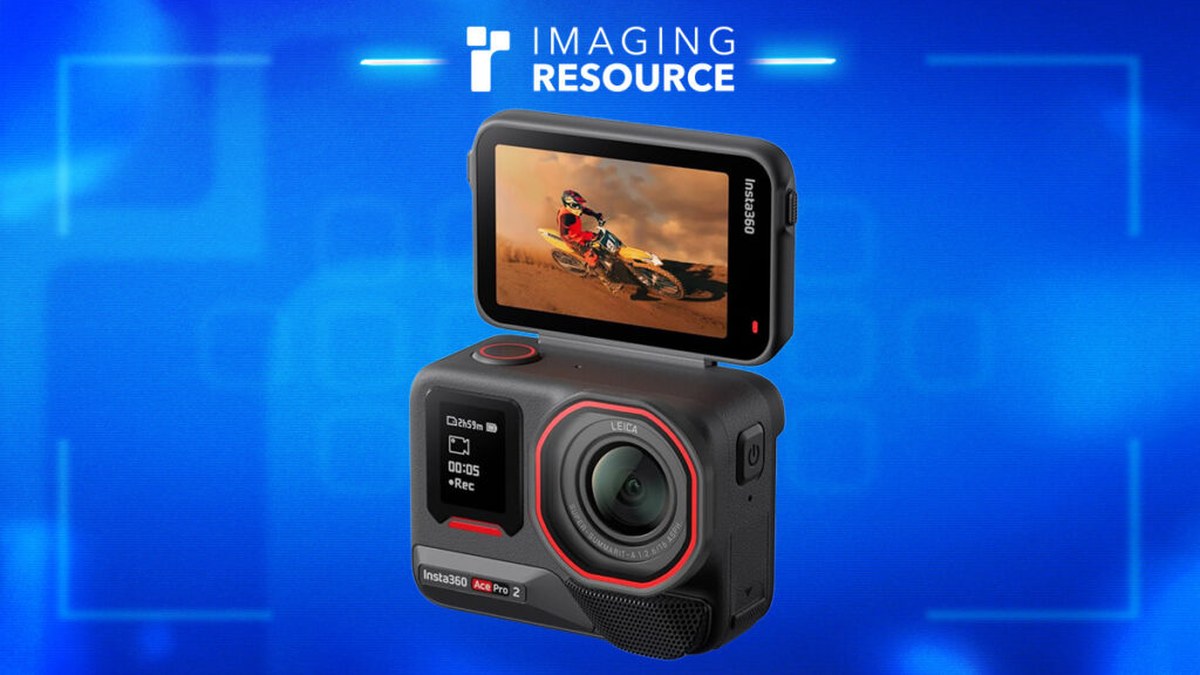

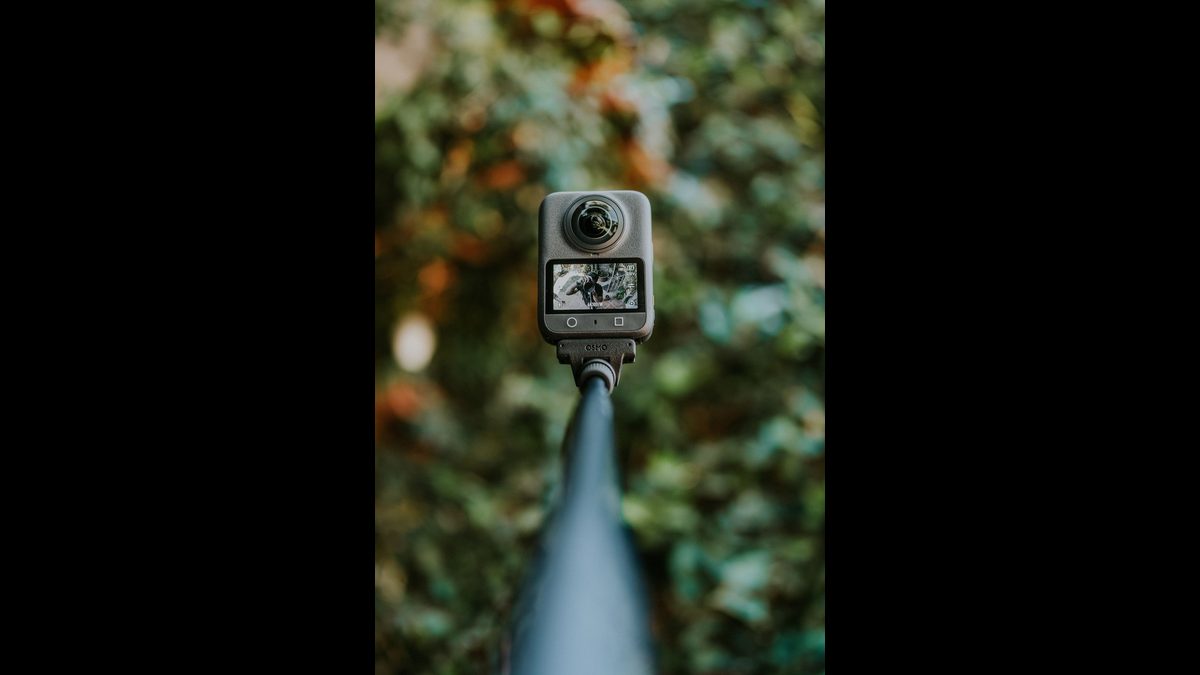
Photo: Image: Property of Insta360
Insta360 lists a runtime figure for every recording mode on the X6, and almost nobody converts those figures into ride time. A rider does not record for 140 minutes straight. They stop, they film a corner, they turn the camera off at lunch, they forget it running at a fuel stop. Those interruptions change the arithmetic completely. Every number in this piece comes from Insta360's own hardware spec table for the X6, measured with the screen off, Wi-Fi on and the standard bitrate, at 77F (25C). Nothing here is a lab guess, and nothing here is extrapolated. All prices are CAD where they appear, and all temperatures are given in both Celsius and Fahrenheit.
The Full Runtime Table, Mode by Mode
The spec table is the starting point, because the gap between the best and worst mode is more than two and a half times the runtime. That gap decides whether a camera makes it through a full day of Atlantic Canada riding or dies at the second fuel stop.
| Mode (360, screen off, Wi-Fi on) | Runtime |
|---|---|
| Endurance Mode 6K24 | about 200 min |
| 4K30 | about 190 min |
| 6K30 | about 170 min |
| 8K30 | about 140 min |
| PureVideo 8K30 | about 95 min |
| 6K60 | about 90 min |
| 8K50 | about 79 min |
Read that table top to bottom and the ordering is not what most people assume. The highest resolution is not the most expensive setting, and the sharpest one is not the cheapest. 8K30 at 140 minutes costs less battery than 6K60 at 90 minutes, because frame rate eats power faster than pixel count does on this sensor. PureVideo 8K30 lands at 95 minutes, which puts a feature people reach for casually among the most expensive options on the camera.
The single worst choice for a long day is 8K50 at about 79 minutes. That is barely more than an hour and a quarter of continuous recording, and it is the mode most riders pick first because 50 frames per second looks smooth in a highlight reel.
What Those Numbers Mean on a Six-Hour Ride
A 140-minute runtime sounds comfortable until you count what a real riding day does to it. Six hours on the bike is 360 minutes. The X6 can record for 140 of those. That is 39 percent of the day, and only if you never leave the camera running while you are stopped.
The practical pattern most riders fall into is worse than continuous recording. The camera gets switched on at a scenic pullout, left running while the group takes photos, switched off, switched on again at the next corner. Each of those cycles costs a full boot and shutdown, and the standby time between clips is not free either. A camera that is nominally recording for 40 minutes of usable footage in a day can burn 90 minutes of battery doing it.
That is the argument for 6K30 at 170 minutes. Not because 6K footage is better than 8K, but because 170 minutes of runtime absorbs the sloppy usage pattern that riders actually have. You get 30 extra minutes over 8K30, which is one more meaningful stop, or two more clips, before you are hunting for a charger at a Tim Hortons.
4K30 at 190 minutes buys you another 20 minutes on top of that. If your output is a YouTube video that will be delivered at 4K anyway, and your platform already downscales 360 footage during the reframe, this is the mode that lets you stop thinking about battery entirely on a normal day.
Endurance Mode Is the One Built for Distance
Endurance Mode at 6K24 is the only setting on the table that is explicitly designed around runtime rather than image quality, and at about 200 minutes it delivers 43 percent more recording time than 8K30. Twenty-four frames per second is a deliberate trade. It is the frame rate television has used for decades, it looks perfectly normal for scenery and rolling footage, and it costs dramatically less power than 30 or 60.
The catch is motion. At 24 frames per second, fast panning and close passes get softer and can smear, particularly when the camera is mounted low on the bike where the road surface moves quickly through frame. If your ride is mostly highway and coastal scenery, Endurance Mode is the correct default and there is no meaningful penalty. If you are filming twisty pavement with the camera six inches off the deck, the drop from 30 to 24 frames per second is visible in the corners.
My own split is simple. Endurance Mode for the transit legs and the long scenic stretches where I want the camera to just be running. 6K30 or 4K30 for the sections where I know the footage is going into an edit. Switching between them mid-ride is two taps, and it is the difference between arriving with 15 percent battery and arriving with 40.
InstaFrame 2.0 Changes the Math Again
InstaFrame 2.0 is where the runtime figures get genuinely surprising, and the published numbers are worth reading carefully because they are not measured the same way as the table above. With InstaFrame 2.0 enabled, the X6 records about 84 minutes of 4K with 360 Video Backup switched on, and about 102 minutes with the backup switched off.
Put those beside 4K30's 190 minutes in standard 360 mode and the cost of the feature becomes obvious. Turning on InstaFrame 2.0 roughly halves your recording time, because the camera is now producing two things at once: the flat, already-reframed video you can use immediately, and the full 360 sphere behind it. That is real work, and it draws real power.
The 18-minute difference between backup on and backup off is the part worth internalising. If you are confident in your framing and you do not need the original sphere for a later reframe, switching the backup off returns nearly 20 percent of that mode's runtime. That single toggle is the cheapest battery you will ever buy.
InstaFrame 2.0 costs you roughly half your runtime. It is a fantastic feature for a short ride where you want footage you can post without editing. It is the wrong choice for a full day, where standard 360 mode and a reframe afterwards gives you more than twice the recording time.
Cold Is What Actually Ends the Day
The X6 is rated to operate from -4F to 104F, which is -20C to 40C. That range covers every riding day Atlantic Canada can produce, including the October crossings where the wind chill on an exposed mount is well below freezing. But the operating window is not a promise about runtime. It is the temperature range where the camera will function at all.
Lithium batteries lose usable capacity as they get cold, and the X6 has no heated battery. A camera that gives 140 minutes at 77F does not give 140 minutes at 34F (1C), and the drop is not linear. It is also not something Insta360 publishes a table for, so anyone quoting you a cold-weather runtime figure is estimating. What the spec does tell you is that the camera is expected to keep working down to -20C, which is more than most riders will ever ask of it.
The practical move in cold weather is the one that costs nothing: keep the spare battery inside your jacket, not in the tank bag or a pannier. A battery at body temperature recovers most of the capacity it lost. A battery that has been sitting at -5C in a side case all morning will report half charge and behave worse than that.
Heat is the other end of the same problem, and it is the one riders underestimate. At 104F (40C) ambient, a black camera body mounted in direct sun on a stationary bike is well past its own operating limit. Recording 8K in that condition will produce a thermal shutdown long before the runtime table is exhausted. Parking the bike in shade at a stop is worth more than any setting change.
Which Battery You Are Actually Carrying
The X6 ships with the Xtreme Battery at 2600mAh. There is also a Lite Battery at 1300mAh, exactly half the capacity. Every runtime figure on this page assumes the Xtreme Battery, because that is the one in the box. If you have swapped in a Lite for weight or because it was what the shop had, halve everything above and you will be roughly right.
A spare Xtreme Battery is the single highest-value accessory for a rider who films all day. Two Xtreme batteries give you somewhere between 280 and 400 minutes of recording depending on mode, which comfortably covers a full riding day even with sloppy usage. That is a bigger practical improvement than any resolution upgrade.
The camera itself is about 196g with a 1/1.1 inch sensor and a 2.32 inch OLED screen at 480x600. That weight matters for a different reason: a lighter camera is easier to mount securely and less likely to sag or vibrate on a bar clamp over a long day, which keeps your footage usable and keeps you from re-shooting.
The X6 Standard Edition shipped August 12, 2026 in Midnight Black and Arctic White. The runtime table has not changed since launch, and the modes above are the full list as published on Insta360's own hardware spec page.
Frequently Asked Questions
How long does the Insta360 X6 battery actually last?
It depends entirely on the mode. Insta360 rates the X6 at about 200 minutes in Endurance Mode 6K24, 190 in 4K30, 170 in 6K30, 140 in 8K30, 95 in PureVideo 8K30, 90 in 6K60 and 79 in 8K50. Those figures are measured in 360 mode with the screen off, Wi-Fi on and standard bitrate at 77F (25C).
Which X6 mode gives the longest recording time?
Endurance Mode at 6K24, at about 200 minutes. It trades frame rate for runtime, dropping to 24 frames per second, which is fine for scenery and transit legs but softens fast motion.
Does InstaFrame 2.0 reduce battery life?
Yes, substantially. With InstaFrame 2.0 on, the X6 records about 84 minutes of 4K with 360 Video Backup enabled, or about 102 minutes with the backup off, against 190 minutes for 4K30 in standard 360 mode.
Can the X6 record in freezing weather?
Insta360 rates the operating temperature at -4F to 104F (-20C to 40C). The camera will function across that range, but cold reduces usable battery capacity, so expect shorter runs than the table and keep spare batteries warm inside your jacket.
What battery comes with the Insta360 X6?
The Xtreme Battery at 2600mAh is included with the camera. A Lite Battery at 1300mAh is also available, with half the capacity, so all runtime figures halve if you use it.
Is 8K30 worth the battery cost over 6K30?
Only if you need the resolution. 8K30 runs about 140 minutes against 170 for 6K30, so you give up 30 minutes of recording for finer detail. Most YouTube delivery does not benefit from the difference after reframing.
Sources
- Insta360 X6 hardware specifications. Official spec table for battery life per mode, battery capacity, operating temperature and weight.