Should You Buy a Used KTM 390 Duke? A Used-Buyer's Guide After the Recall
The 390 Duke is one of the most sensible used small-displacement buys on the market — and right now it's also one of the most publicly recalled. Here's the honest answer, plus the checklist that protects you either way.
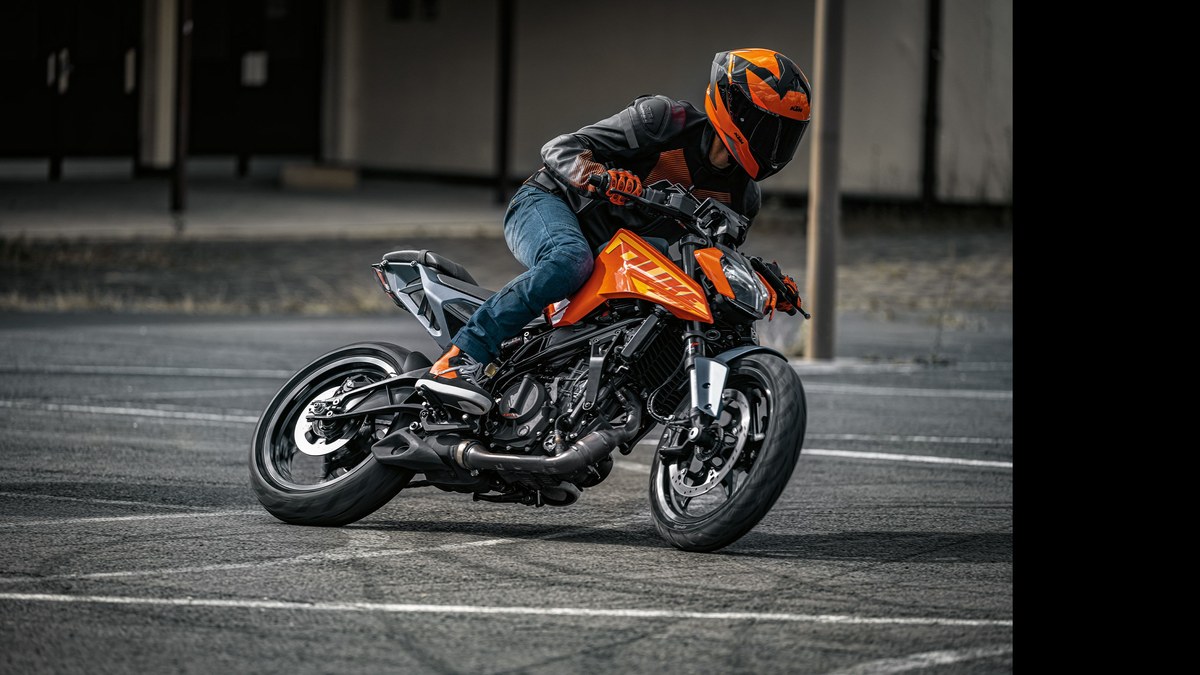
Image: Property of KTM Sportmotorcycle AG.
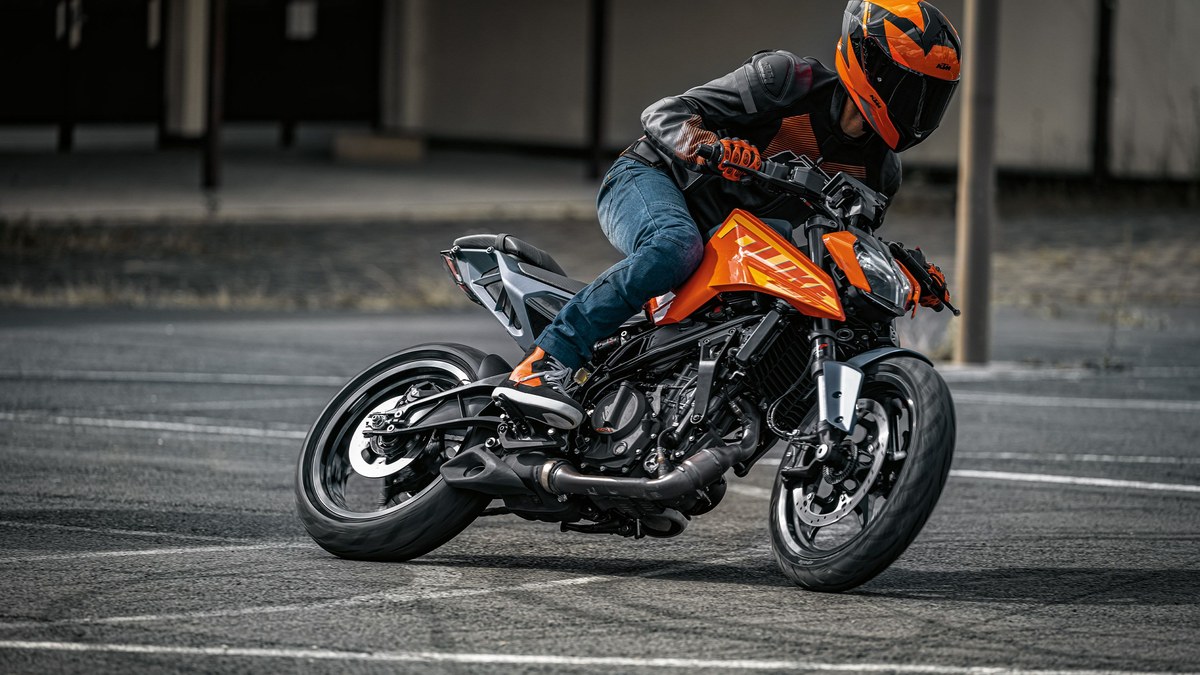
The used 390 Duke market just got more interesting for the wrong reason: KTM North America is recalling certain 2022-2023 390 Duke and 2022-2024 RC 390 motorcycles because water can enter the electronic throttle control, with dealers inspecting and replacing the e-throttle unit free of charge. I covered the recall in full yesterday — this piece answers the question it immediately created for the used market: is a used 390 still a smart buy, and what changes on your checklist?
Table of Contents
The Short Answer
Yes — a used 390 Duke remains one of the best-value entries into motorcycling, and the recall doesn't change that verdict. Recall remedies are free regardless of how many owners the bike has had, so a properly handled recall costs a used buyer nothing but the time to verify it. What the recall does change is the verification step: it adds one more line to your pre-purchase checklist, and it gives you a legitimate question to ask every seller.
What the Recall Means for Used Buyers
Three things worth understanding as a used buyer:
- Recalls follow the VIN, not the owner. If you buy a bike with an open recall, the fix is still free for you — a KTM dealer will inspect and replace the e-throttle control at no charge. You do not inherit a repair bill, only the errand.
- "Certain" is the key word. The campaign covers specific model years — certain 2022-2023 390 Duke and 2022-2024 RC 390 machines — and not every unit within them. Only a VIN check tells you whether the specific bike in front of you is included.
- An open recall is a negotiating tool, not a dealbreaker. A seller with an unfixed recall bike either doesn't know their bike's status (a yellow flag about maintenance awareness) or hasn't bothered (a bigger one). Both give you leverage; neither makes the bike bad.
The Used 390 Duke Checklist
My standard used-sportbike checklist, with the recall step added where it belongs:
- VIN and recall check — before anything else. Copy the VIN from the steering head, and have a KTM dealer check open campaigns. In the US, the NHTSA VIN lookup does the same thing online; in Canada, check the Transport Canada database and ask the dealer directly. My recall-check guide walks through both.
- Service history. Oil changes, valve checks, chain maintenance. A 390 with records beats a cheaper 390 without them, every time.
- The e-throttle itself. On your test ride: smooth, linear throttle response from closed. Any glitchiness, stuttering, or odd returns to idle — walk away or price in a dealer inspection, whether or not the bike is in the recall population.
- Chain, sprockets, brakes. The consumables tell you how the bike was treated. A neglected chain on a low-mileage bike means cosmetic care with mechanical neglect.
- Crash damage. Check the engine covers, bar ends, lever ends, and front fork legs. Small-displacement bikes get dropped; honest scratches are fine — hidden damage isn't.
- Ownership and paperwork. Clear ownership, no liens, and the seller's name on the registration.
Does the Recall Move Used Prices?
Honestly: probably not much, and if it does, it's in your favor. High-profile recalls on popular bikes create short-term hesitancy among less-informed buyers, which softens asking prices on the affected model years — while the actual fix remains free. That's the definition of a used-buyer opportunity: the market overreacts to a problem the manufacturer pays to solve. If you're cross-shopping affected model years, the recall is a reason to negotiate, not a reason to exclude the bike.
One more timing note for Canadian buyers: the recall campaign described here is confirmed through the US filing, and I could not find a matching Transport Canada notice for these model years as of this writing. That does not mean Canadian-market bikes are excluded — US campaigns are routinely extended to Canadian VINs, and KTM Canada typically files equivalent campaigns. Until a Canadian notice appears or your dealer confirms otherwise, the safest assumption for a Canadian used buyer is that any 2022-2023 390 Duke or 2022-2024 RC 390 on your shortlist could be in scope, and the VIN check is mandatory, not optional. It costs nothing and takes minutes at any KTM dealer.