Motorcycle Trip Planning: Should You Chase Mileage or Explore?
A 600-kilometre day can look impressive in a trip log and still be the wrong choice for your route. The better question is whether the goal is to cover ground, see a place, or arrive with enough energy to enjoy the next day.
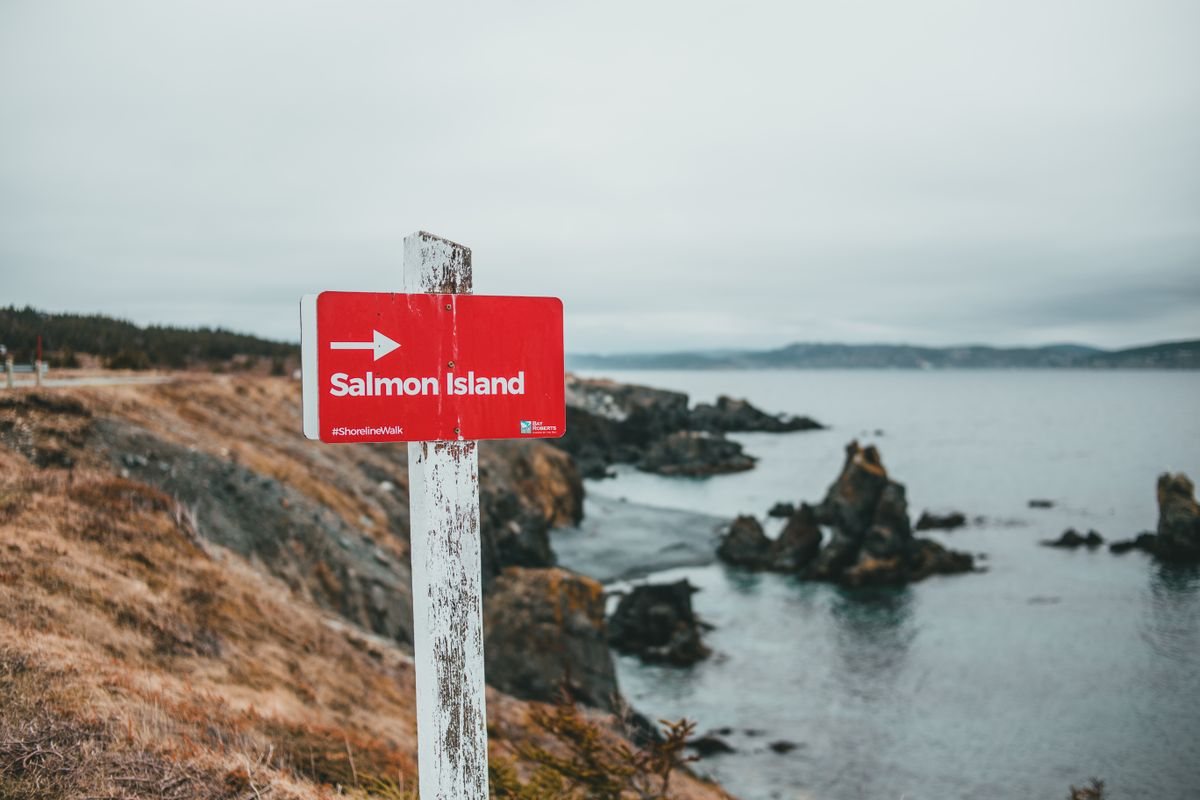
Table of Contents
Choose the trip goal first
Before opening a route planner, decide which of three trips you are taking: a mileage challenge, a point-to-point transfer, or an exploration tour. Each one deserves a different daily distance and a different tolerance for detours.
Why the map underestimates time
Average speed is not the same as the speed limit. Fuel, food, photographs, construction, ferry loading, and slow sections through towns consume hours. In Atlantic Canada, a beautiful coastal road can be the point of the day, not a delay to be defeated.
| Goal | Good planning question |
|---|---|
| Mileage | How much distance can I cover safely without arriving exhausted? |
| Transfer | Which stops are non-negotiable, and where can I refuel? |
| Exploration | Which road or viewpoint deserves the time, even if the route gets shorter? |
Build a schedule that can breathe
Set a realistic riding window, then leave margin. I would rather finish early enough to check the bike, eat properly, and review tomorrow’s weather than turn every evening into a rushed arrival. A buffer also protects the trip when wind or rain makes the planned pace unrealistic.
For riders building experience, increase distance gradually. Fatigue changes decision-making before it feels like an emergency, especially on unfamiliar roads.
The answer for most touring riders
Most people asking this question want a memorable tour, not a medal for suffering. Use mileage targets as a ceiling, not a promise. Pick one meaningful road or stop each day, and let the rest of the route support that choice.
Three trips that should not share one mileage target
A transfer day moves you efficiently between regions. An exploration day is built around stops, local roads, meals, photographs, and short detours. An endurance day is a deliberate challenge that demands preparation, fitness, and a recovery plan. Problems begin when an exploration day is scheduled with an endurance-day distance.
Write the purpose beside each day on the itinerary. If the purpose is “reach the ferry,” prioritize reliable roads and arrival margin. If it is “explore the coast,” reduce the distance and protect time for the places that made you choose the route.
Convert map time into real travel time
Navigation apps estimate moving time. Touring requires total time. Add fuel, meals, hydration, photographs, road construction, ferry check-in, wrong turns, and the slower pace through towns. A planned eight-hour route can easily become a ten-hour day without any single major delay.
| Day type | Planning distance | How to use it |
|---|---|---|
| Exploration | About 200–350 km (124–217 mi) | Leaves time for stops, secondary roads, and an unrushed arrival |
| Balanced touring | About 350–500 km (217–311 mi) | Mixes meaningful progress with selected stops |
| Transfer | About 500–650 km (311–404 mi) | Best on familiar, efficient roads with limited sightseeing |
These are practical planning bands, not safety guarantees. Weather, road type, rider experience, motorcycle comfort, daylight, and the number of consecutive riding days can move the right number far lower. Greg's 200,000+ km of riding experience supports using mileage as a ceiling rather than an obligation.
Fatigue changes the plan before it ends the day
Watch for repeated missed turns, late braking, fixation on the vehicle ahead, poor lane position, irritability, or difficulty remembering the last stretch of road. Those are reasons to stop and reassess, not encouragement to “push through.” Food, water, and a short break can help, but they do not replace sleep.
Consecutive days matter. A distance that feels easy on day one can feel very different after several days of wind, rain, packing, unpacking, and interrupted sleep. Reduce later days or schedule a low-mileage recovery day before fatigue becomes the trip's dominant feature.
Use one anchor experience per day
Choose the road, park, meal, museum, ferry, or viewpoint that defines the day. Place that experience where it has enough time, then let the remaining route support it. This makes it easier to cut optional stops without feeling that the day has failed.
An anchor also improves storytelling. A travel video or article is stronger when a day has a clear place and purpose than when it is a rushed montage of fuel receipts and highway exits.
Build three kinds of buffer
- Time buffer: finish the planned route before the last safe or comfortable riding window.
- Distance buffer: identify a shortcut that removes kilometres without cancelling the main experience.
- Accommodation buffer: know where you could stop earlier if weather or fatigue changes the day.
Mark the decision points before leaving. It is easier to choose the shorter option at 2 p.m. when it is already part of the plan than to invent an escape route while tired at 6 p.m.
Solo and group mileage are different
A group moves at the pace of its fuel range, comfort needs, and slowest transitions. Every fuel stop takes longer, communication matters more, and riders may have different tolerances for wind, cold, and rough pavement. Agree on regrouping points and the day's priority before leaving.
Solo riders can move more efficiently but have fewer people to notice fatigue or help with a problem. Share the route, maintain check-ins, and resist using flexibility as an excuse to extend the day indefinitely.
A better daily planning template
Record the planned distance in both kilometres and miles, estimated moving time, expected stop time, sunset, fuel points, the anchor experience, the cut-off time for the long route, and the shorter alternative. Review the plan each morning against weather and energy rather than treating yesterday's spreadsheet as a command.
The best touring day is not automatically the longest. It is the day that accomplishes its purpose and leaves enough concentration for the final kilometres.
Related Articles
How Many Days Do You Need for Newfoundland?Ferries, weather buffers, and realistic island planning. How Far Should You Ride in One Day?
Matching distance to experience, terrain, and fatigue. Backroads vs Highway Motorcycle Touring
How route type changes distance, pace, and enjoyment.